How Can Using IoT in the Supply Chain Improve Your Processes?
Read this article to learn how using IoT in the supply chain can help you improve your processes.
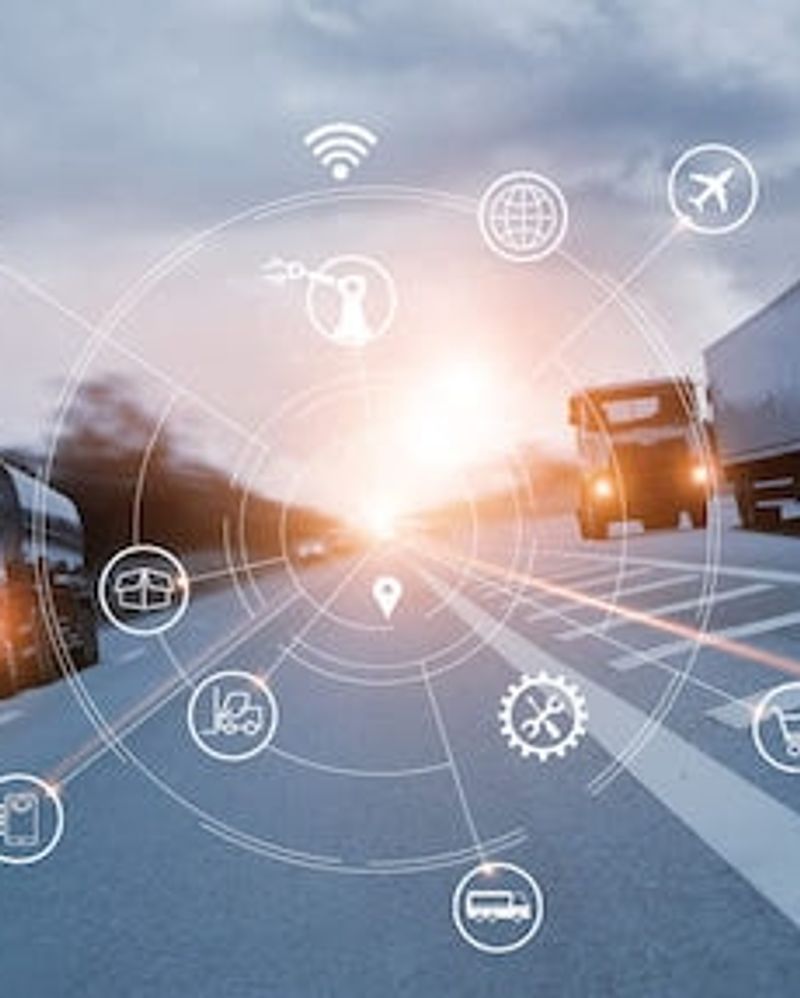
The networking of physical objects is often cited as one of the most fascinating aspects of the Internet of Things (IoT). But what does this mean for business and particularly for the supply chain?
In a recent article, Cisco predicted that IoT will have significant impacts on logistics. They estimate that companies using IoT-enabled logistics will achieve improvements in speed, accuracy, and transparency.
This could potentially revolutionize the way goods are transported and delivered. So what opportunities are there for companies to leverage the potential of IoT in logistics? Read on to find out!
Since when has IoT been used in supply chain management?
The term "Internet of Things" was coined by Kevin Ashton in 1999, but the concept of connected devices goes back much further. In fact, the first industrial IoT applications were developed in the 1970s when manufacturers began using RFID tags for inventory tracking.
Since then, the use of IoT technology in supply chain management has steadily increased. Today, IoT devices are used for a variety of tasks, such as tracking inventory, monitoring equipment performance, and detecting security threats.
The benefits of IoT are enormous, and the potential for further innovation is considerable. As technology continues to evolve, it is likely that the role of IoT in supply chain management will become even more important.

Why and how has IoT been used in the supply chain?
In short, the Internet of Things (IoT) is the connection of physical objects to the internet. This means that everyday items can now collect and exchange data, making them "smart." The supply chain is one of the many areas that has been transformed by IoT technology .
By attaching sensors to products, manufacturers and retailers can track items throughout the entire supply chain, from production to delivery at the customer's doorstep. This has many benefits, such as reducing losses and waste, improving customer service, and increasing efficiency.
Furthermore, the data collected by IoT devices can be used to improve future planning and decision-making. As technology continues to evolve, it is likely that even more applications for IoT in the supply chain will be found.
5 outstanding benefits of IoT in the supply chain
As companies strive to improve supply chain management and increase efficiency, many are turning to IoT for assistance. By connecting devices and systems throughout the supply chain, IoT can provide valuable data that can help reduce waste, optimize inventory, and improve customer service.
Authentication of the location of goods/vehicles at any time.
The potential applications of IoT are nearly limitless. One of the most promising is the ability to track the location of goods and vehicles in real-time. This allows companies to authenticate and ensure the location of their products at all times, preventing them from being counterfeited or stolen.
Moreover, IoT can help optimize supply chains by reducing the need for manual inventory management. By tracking the location of goods and vehicles, companies can save time and money while improving the accuracy of their data.
Tracking the speed of movement and the timing of goods' arrival.
By attaching sensors to goods in transit, companies can track the speed of their movement and the arrival time with unprecedented accuracy.
This information can then be used to optimize routes, schedule deliveries, and manage inventory. Thus, IoT helps companies streamline their operations and improve their customer service.
Monitoring the storage conditions of raw materials and products.
The technology is increasingly being used across various industries, including the food and beverage industry, to monitor the storage conditions of raw materials and products. By connecting storage facilities to the internet, companies can track temperature, humidity, and other environmental conditions in real-time.
This helps ensure that products are stored under optimal conditions and reduces the risk of spoilage. Additionally, IoT can also be used to monitor the movement of goods within a facility and track inventory levels.
Streamlining problematic goods movements.
However, transporting goods from one location to another is often problematic. Delays and disruptions can lead to significant financial losses. The Internet of Things offers a solution to these problems.
By connecting devices and sensors, the Internet of Things can provide real-time information about the location and status of goods. This information can be used to streamline the transportation of goods and avoid delays.

Locating goods in the warehouse.
The Internet of Things is a network of physical objects connected to the internet. With this technology, the location of goods in a warehouse can be tracked. Knowing the location of goods allows companies to save time that would otherwise be spent searching for items.
Managing goods immediately upon arrival.
IoT can help you manage your goods more efficiently, whether you are in a warehouse or retail environment. With sensors tracking the location of products, you can ensure they are always where they are supposed to be.
You can also use RFID tags to track inventory and determine when items need to be restocked. Additionally, the Internet of Things can provide real-time data on the condition of your goods, allowing you to intervene immediately if there are any issues. By using the Internet of Things to track your inventory, you can reduce losses and ensure your shelves are always well-stocked.
Conclusion: IoT in the supply chain
So what is the first step to implementing IoT in your supply chain? The answer may vary depending on your specific needs and business model, but there are a few key considerations that will help you get started.
Understanding how IoT can benefit your business and planning the necessary infrastructure upgrades are important steps on the path to success. With the right preparation, you can significantly improve efficiency and transparency across your entire supply chain. Are you ready to make the switch to IoT?