Optimizing Port Operations: Best Practices for Increasing Throughput and Reducing Costs
Maximize the efficiency of your port logistics in 2026: Discover how IoT solutions increase throughput, reduce costs, and enable predictive maintenance.
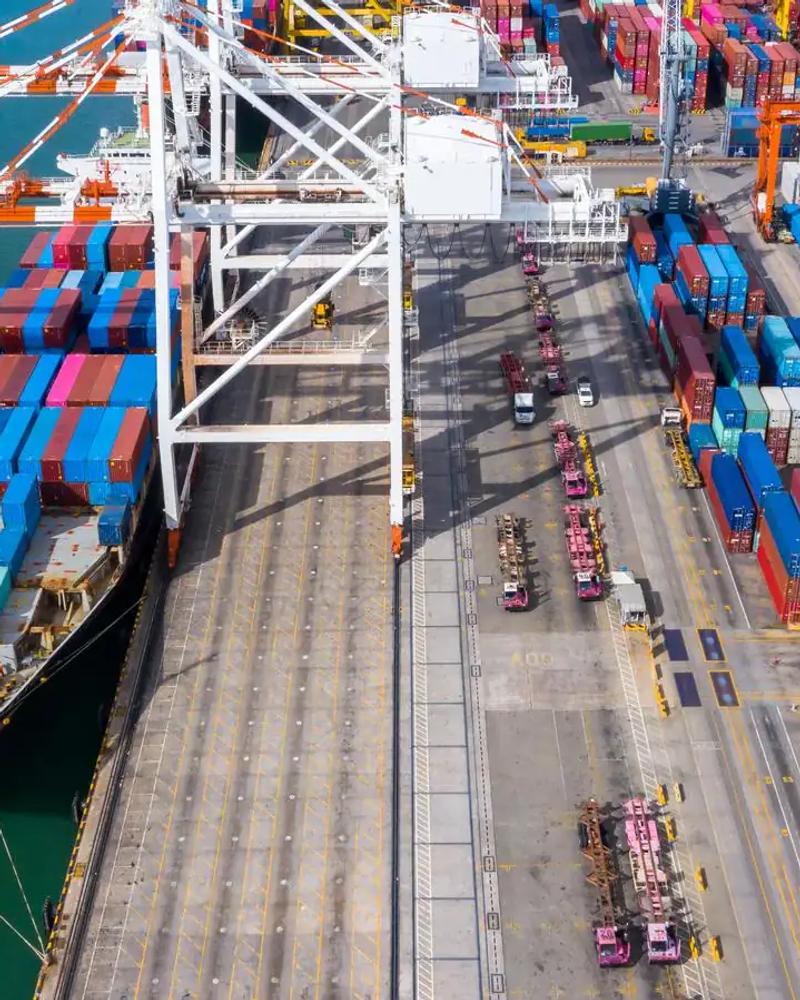
In today's fast-paced global logistics environment, port operations play a crucial role in ensuring the efficient flow of goods and services. With the increasing demand for faster shipping times and lower operational costs, port authorities and terminal operators are increasingly turning to advanced technology to remain competitive.
Automated port operations and the integration of IoT technologies are at the heart of this transformation. By optimizing port operations, companies can increase throughput, reduce delays, and lower costs, thereby gaining a competitive edge in the shipping and logistics industry.
What is IoT in Port Operations?
The Internet of Things (IoT) refers to the network of devices, sensors, and systems connected to the internet, enabling real-time data exchange and control. In the context of port operations, IoT means using connected devices to monitor and manage everything from cargo handling and equipment status to vehicle movements and environmental conditions. By leveraging IoT to optimize port operations, ports can streamline complex workflows, enhance operational efficiency, and improve overall performance.
The importance of IoT in modern port operations cannot be overstated. As ports form the backbone of international trade, even a small inefficiency can lead to significant delays and costs. By deploying IoT technologies, ports can not only improve their efficiency but also reduce operational costs and enhance safety while maintaining throughput.
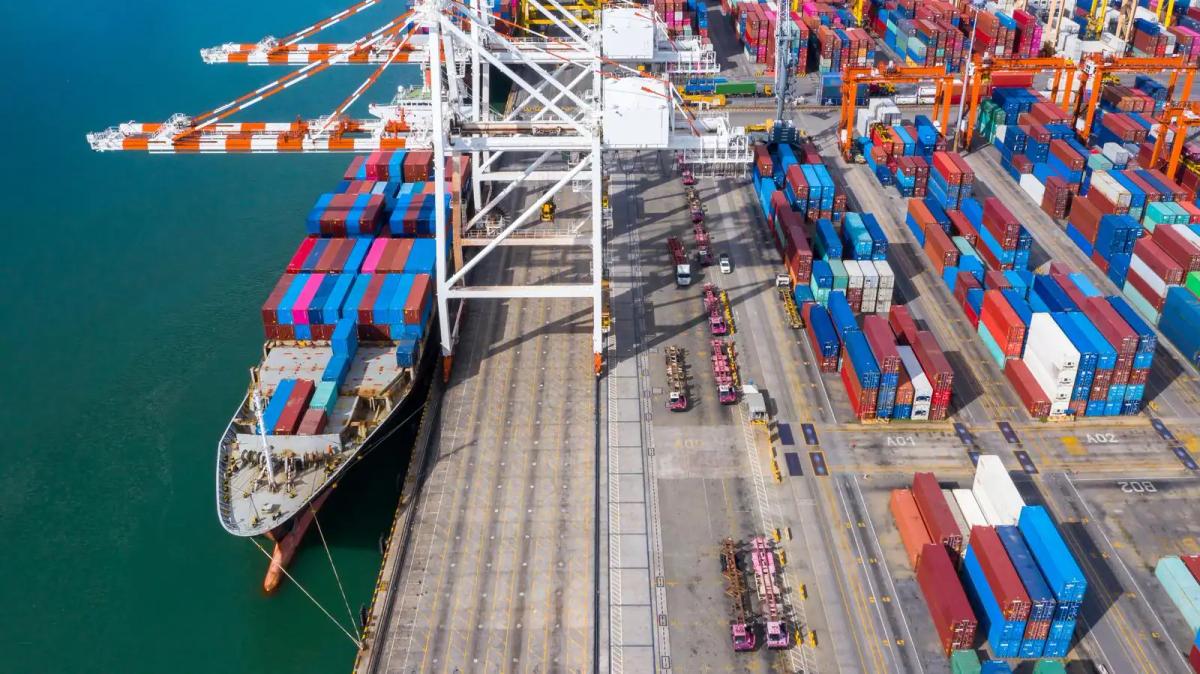
Best Practices for Increasing Throughput in Port Operations Using IoT
1. Real-Time Asset Tracking for Better Visibility
A key advantage of IoT in port operations and logistics is the ability to track assets in real-time. With connected devices and sensors, ports can monitor the location, condition, and performance of assets such as containers, cranes, and trucks.
- Improved Visibility: By accessing real-time data on the location and condition of assets, ports can avoid delays and ensure that cargo is efficiently moved from one point to another.
- Workflow Optimization: Real-time tracking enables better coordination of asset movements and reduces idle times, allowing for increased throughput at terminals and storage areas.
2. Automated Equipment Monitoring and Optimization
Port terminals rely on a variety of equipment, including cranes, conveyors, and automated guided vehicles (AGVs). Using IoT-enabled sensors, ports can continuously monitor the performance of this equipment and optimize its operation.
- Predictive Maintenance: IoT devices can collect data on equipment performance, enabling predictive maintenance. Issues can be identified and addressed before they lead to failures, minimizing downtime and preventing costly repairs.
- Real-Time Adjustments: Automated systems can adjust equipment settings in real-time to maximize performance and reduce the need for manual interventions.
3. Intelligent Traffic Management for Better Port Flow
Traffic flow within a port—whether trucks, ships, or railways—can pose a significant bottleneck issue. IoT technologies can improve port flow by providing real-time data on traffic conditions and asset availability.
- Dynamic Routing: IoT can be used for dynamic routing of trucks and vehicles to avoid congestion and minimize delays, thereby improving overall throughput.
- Optimized Loading and Unloading: By tracking the arrival and departure times of ships, trucks, and containers, IoT enables more efficient coordination of loading and unloading operations, increasing port throughput.
Reducing Costs Through IoT-Driven Automation
A major advantage of IoT in port operations is the potential for cost reduction. By automating various processes and optimizing workflows, ports can reduce both direct and indirect operational costs.
1. Predictive Maintenance to Lower Maintenance Costs
Traditional maintenance strategies often lead to unnecessary downtime or emergency repairs, which can be costly. IoT technologies enable predictive maintenance, where sensors monitor equipment health and predict failures before they occur.
- Reduced Downtime: By addressing maintenance needs early, ports can keep equipment running and avoid unscheduled outages.
- Lower Repair Costs: Predictive maintenance identifies minor issues before they escalate into major, costly repairs, reducing overall maintenance costs.
2. Energy Management to Reduce Operational Costs
Energy consumption is a significant operational cost factor for ports. IoT technologies can help manage and optimize energy usage across port operations, from lighting and HVAC systems to heavy equipment and cranes.
- Energy-Efficient Equipment: IoT sensors can monitor energy consumption in real-time, allowing operators to adjust equipment settings for maximum energy efficiency.
- Smart Lighting Systems: IoT-driven smart lighting systems can automatically adjust based on current conditions to avoid unnecessary energy consumption and reduce electricity costs.
3. Automated Inventory and Cold Chain Management
For ports dealing with perishable goods, managing the cold chain and maintaining correct inventory levels is crucial. IoT solutions enable automated inventory management and cold chain monitoring, reducing losses and costs.
- Real-Time Monitoring: IoT sensors monitor the temperature and humidity of perishable goods in real-time to ensure they remain under required conditions.
- Automated Inventory Tracking: IoT systems provide up-to-date inventory data, allowing ports to better manage their stock and avoid overstocking or stockouts, saving unnecessary costs.
IoT-Driven Security and Risk Management in Port Operations
Security and risk management are top priorities for ports, especially when it comes to protecting high-value cargo and ensuring the safety of port personnel. IoT solutions offer enhanced security features that are essential for modern port operations.
1. Enhanced Security with IoT Sensors and Surveillance
IoT sensors and surveillance cameras can be deployed across various areas of the port to enhance security and protection. These systems can detect unauthorized access, monitor critical areas, and send real-time alerts to security personnel.
- Remote Monitoring: IoT sensors enable continuous remote monitoring of cargo, equipment, and facilities, reducing the need for physical security efforts.
- Automated Alerts: When an anomaly such as unauthorized access or equipment tampering is detected, the IoT system can automatically trigger alerts, enabling faster response.
2. Tracking and Protecting High-Value Cargo
Ports often handle high-value cargo, making theft or damage a significant concern. IoT-driven asset tracking can monitor the location and status of cargo in real-time to protect valuable goods during transit.
- Cargo Tracking: IoT sensors can track the precise location of containers to ensure that cargo is not rerouted or stolen during transit.
- Condition Monitoring: In addition to location tracking, IoT sensors also monitor the condition of cargo, such as temperature and humidity, to ensure it remains undamaged.
3. Risk Management with Real-Time Environmental Monitoring
Port operations are also affected by environmental factors such as weather, tides, and pollution. IoT solutions can provide real-time environmental monitoring, allowing port authorities to assess and mitigate risks associated with changing conditions.
- Weather Monitoring: IoT-driven weather stations provide up-to-date weather data, allowing ports to adjust their operations when high winds or heavy rain are expected.
- Environmental Protection: IoT sensors can monitor air and water quality, ensuring that ports comply with environmental regulations and minimize the impact of their operations on the surrounding environment.
IoT-Driven Port Operations vs. Traditional Port Operations
FeatureIoT-Driven Port OperationsTraditional Port OperationsData RecordingReal-time data via IoT sensorsManual data entry and limited automationAsset TrackingContinuous, automated trackingManual or simply automated trackingMaintenancePredictive maintenance with IoT sensorsReactive maintenance with limited insightSecurity24/7 monitoring with IoT sensors and camerasLimited monitoring, reliant on physical presenceEnergy EfficiencyAutomated energy management via IoTManual energy management and inefficient usage
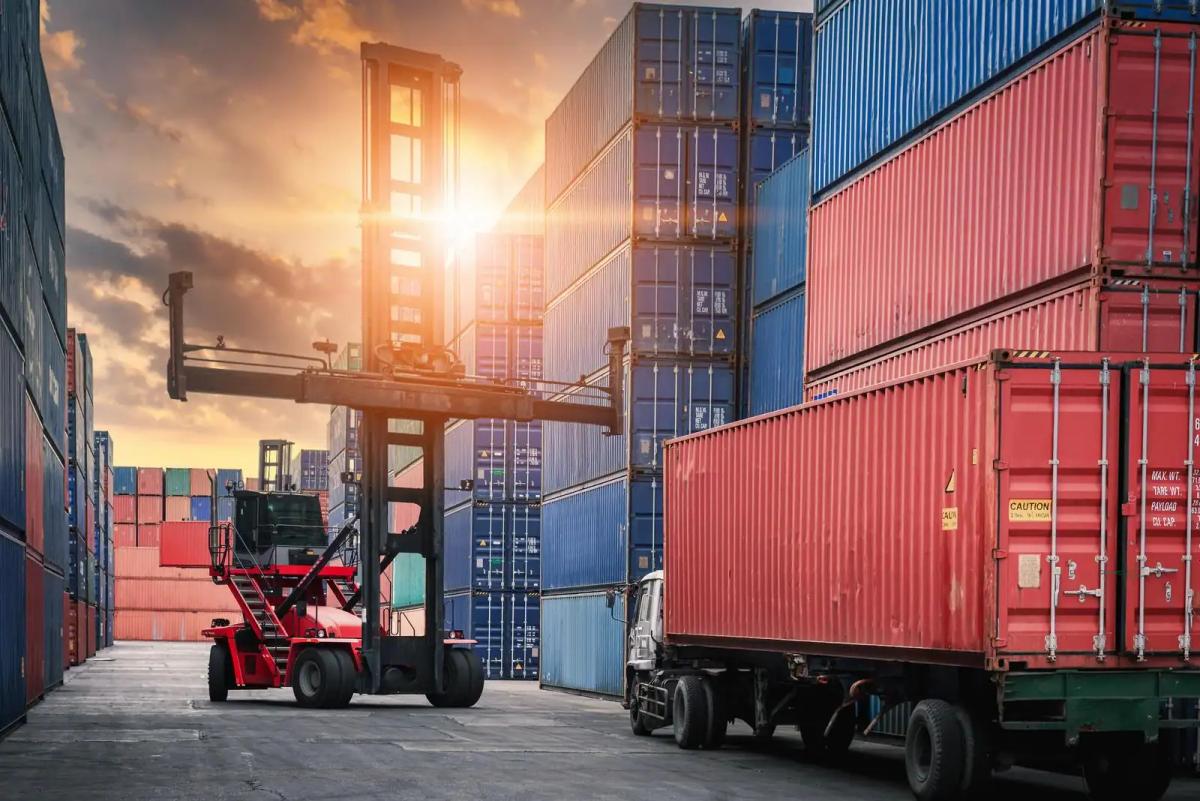
Leveraging IoT for Optimized Port Operations
Optimizing port operations is crucial to remain competitive in the logistics and shipping industry. By adopting automated port operations and integrating IoT technologies, ports can increase throughput, reduce costs, and enhance safety.
IoT solutions offer real-time data, improved asset tracking, predictive maintenance, and better energy management—all critical factors for achieving efficient port operations. As ports grow and evolve, investing in IoT-driven solutions will be key to maximizing efficiency, reducing operational risks, and staying competitive in a rapidly changing global logistics landscape.
Start optimizing your port operations and logistics today with IoT-driven solutions focused on enhancing performance and future-proofing your port.

wekgnjGBWEN
w.kgjböKWGB#