How Heavy Equipment Tracking Boosts Efficiency and Reduces Costs
Optimize your fleet management in 2026: Discover how real-time tracking for heavy equipment boosts productivity, reduces costs, and prevents downtime.
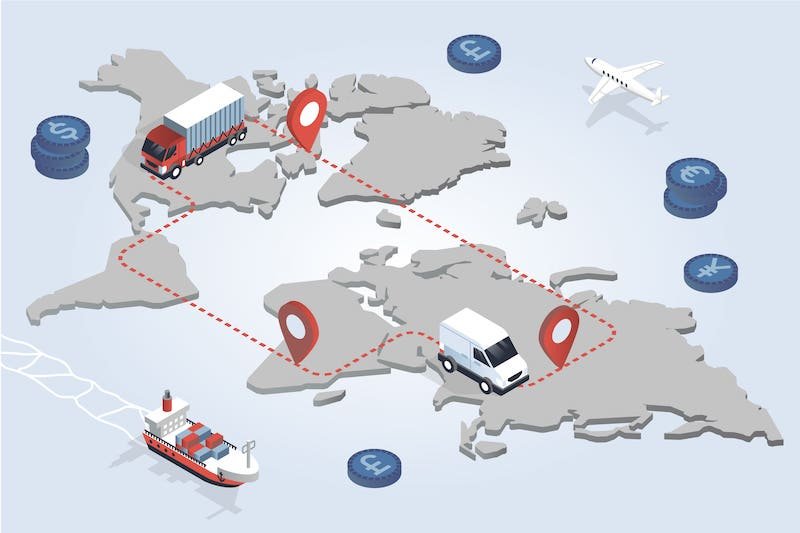
In industries such as construction, mining, and logistics, managing heavy equipment is crucial for operational success. Optimizing machine utilization, reducing downtime, and managing costs are essential to remain competitive. This is where heavy equipment tracking comes into play: an advanced solution that provides real-time insights into your fleet's performance.
As companies increasingly focus on efficiency and cost reduction, the adoption of tracking technologies is no longer a luxury. By utilizing tracking devices, companies can maximize the productivity of their machines while simultaneously reducing costs. In 2026, companies that successfully integrate these tracking solutions position themselves for long-term success. Let's now discuss how heavy equipment tracking is revolutionizing the way the industry operates.
What is Heavy Equipment Tracking?
Heavy equipment tracking refers to the use of technology to monitor and manage machines in industries such as construction, mining, and logistics. These tracking systems enable companies to monitor the location, usage, and performance of equipment in real-time. By providing valuable data on equipment usage, maintenance needs, and operational efficiencies, these systems are essential for optimizing fleet management.
The importance of heavy equipment tracking cannot be overstated in today's fast-paced, cost-conscious business world. It helps companies avoid costly downtime and ensures that machines are in optimal condition, ultimately extending the equipment's lifespan and reducing unnecessary repairs. As companies increasingly focus on efficiency, tracking technologies become an indispensable tool to ensure that each piece of equipment is utilized to its full potential.
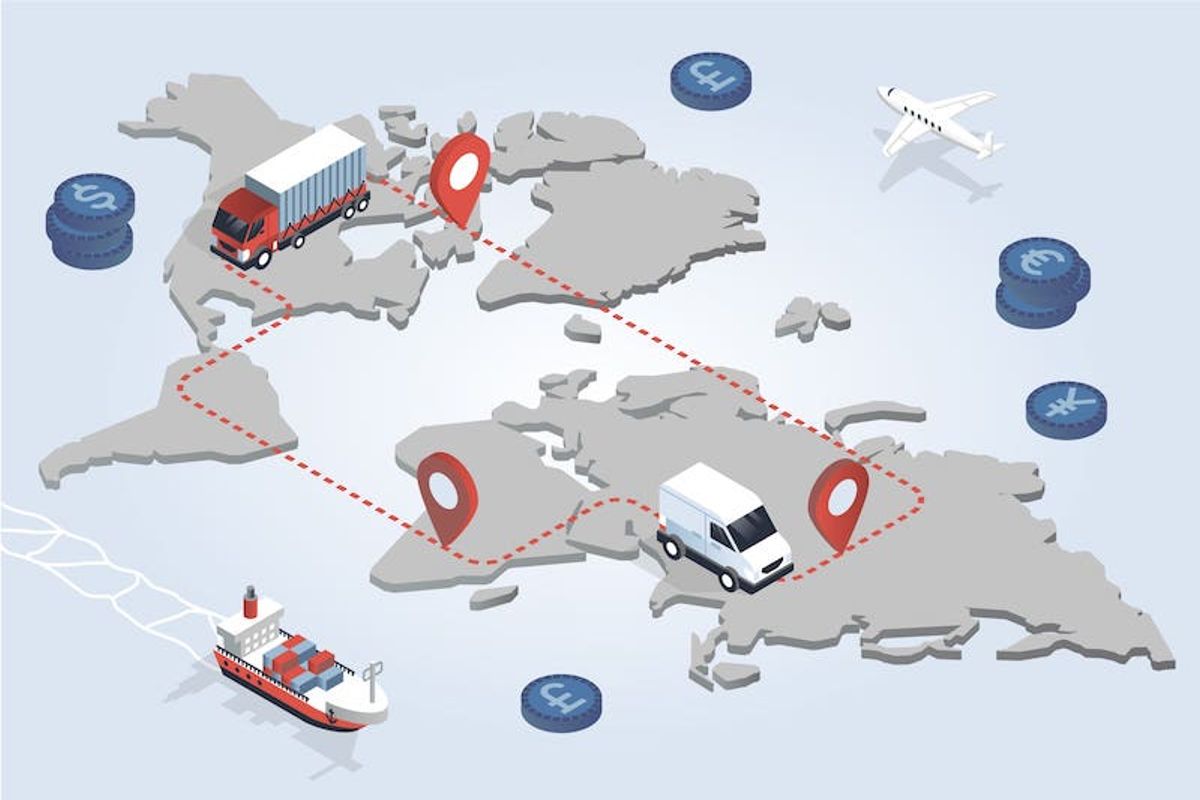
The Importance of Tracking for Heavy Equipment
Industries such as construction, mining, and logistics rely on equipment like excavators, bulldozers, cranes, and dump trucks to get the job done. These machines represent a significant investment, and their efficient use can greatly impact the success of a project. This is exactly where heavy equipment tracking comes into play—it allows companies to track these machines in real-time and gain valuable insights into their usage.
Tracking technology also helps companies identify maintenance needs early and ensure that equipment is in optimal condition, preventing unexpected breakdowns that could lead to delays and costly repairs. By focusing on these aspects, companies can improve efficiency, reduce operating costs, and extend the lifespan of their valuable equipment.
Key Benefits of Heavy Equipment Tracking
Implementing tracking systems for heavy equipment can offer a variety of benefits. Here are some of the key advantages that make these systems invaluable for companies:
1. Improved Equipment Utilization
Tracking systems allow companies to see how and when equipment is used. This data helps identify unused machines, enabling companies to optimize their fleet by reallocating or renting out underutilized equipment, thereby increasing profitability.
2. Cost Reduction and Fuel Savings
A significant cost factor for heavy equipment is fuel consumption. Heavy equipment tracking systems provide data on fuel usage, allowing companies to monitor and reduce it. Identifying inefficient machines or poor driving habits can lead to substantial savings.
3. Increased Maintenance Efficiency and Lifespan
Tracking technologies help predict when equipment needs maintenance, reducing the risk of major breakdowns and costly repairs. Timely maintenance can extend the lifespan of machines and avoid unnecessary replacement costs.
4. Enhanced Safety and Theft Protection
Heavy equipment tracking can also enhance safety by providing real-time alerts when machines are misused or at risk of malfunctioning. Additionally, tracking systems help protect equipment from theft by monitoring location and triggering alarms if moved without authorization.
5. Simplified Reporting and Compliance
For companies operating in regulated industries, heavy equipment tracking can simplify compliance. By automatically recording usage, maintenance, and fuel data, companies can easily generate reports that meet industry standards and legal requirements.
Types of Tracking Devices and Technologies for Heavy Equipment
There are various technologies for tracking heavy equipment, each offering unique features to meet different business needs:
1. GPS and Telematics Systems
GPS and telematics systems provide real-time data on the location, performance, and operational status of equipment. These systems monitor factors such as fuel consumption, idle time, and machine condition, offering companies detailed insights into their fleet's performance.
2. RFID Systems
RFID systems use radio waves to track equipment and tools. This technology is particularly useful for monitoring the movement of smaller, portable devices on construction sites and ensuring that tools and machines are accounted for at all times.
3. Bluetooth and IoT Sensors
Bluetooth-enabled devices and IoT sensors can be attached to equipment to monitor parameters such as temperature, vibration, and movement. These sensors provide valuable data that can be used to predict maintenance needs and optimize machine performance.
Types of Tracking Technologies for Heavy Equipment
TechnologyDescriptionMain BenefitsGPS and Telematics SystemsProvides real-time data on the location, performance, and condition of equipment.Real-time tracking, performance monitoring, predictive maintenance.RFID SystemsUses radio waves to track equipment and tools.Asset tracking, inventory management.Bluetooth & IoT SensorsMonitors parameters such as temperature, vibration, and movement.Predictive maintenance, optimization of machine performance.
How to Implement Heavy Equipment Tracking in Your Business
To fully leverage the benefits of heavy equipment tracking, companies need to implement these systems in a structured manner. Here is a step-by-step guide to successfully integrating tracking into your operations:
Step 1: Assess Your Equipment Fleet
Start by taking an inventory of all your heavy equipment. Understand which machines you use and what specific needs they have. This helps you identify which equipment would benefit most from tracking technologies.
Step 2: Choose the Right Tracking Solution
Not all tracking systems are the same. Consider your specific requirements before selecting a solution. Do you need real-time GPS tracking? Are you looking for sensors to monitor machine performance? Choose a system that aligns with your company's needs.
Step 3: Integrate Tracking Devices and Software
Once you have selected the right solution, integrate it into your equipment. This could involve installing GPS trackers, attaching IoT sensors, or setting up RFID systems. Ensure all devices are properly calibrated and connected to your fleet management software.
Step 4: Train Employees and Develop Usage Guidelines
Training is crucial to ensure your team can effectively use the tracking systems. Develop guidelines for data usage, maintenance procedures, and equipment care. Make sure all employees understand how to use the new technology to optimize fleet performance.
Step 5: Continuously Monitor and Optimize
After implementation, continuously monitor the performance of your equipment and the effectiveness of the tracking system. Use the data to identify areas for improvement and make adjustments to optimize fleet management over time.

Key Takeaways
Heavy equipment tracking is a game-changer for all industries relying on large machines, offering numerous benefits that enhance operational efficiency and reduce costs. By improving equipment utilization, optimizing maintenance processes, and ensuring better security, tracking systems have become indispensable in the modern business world. As the focus in 2026 continues to be on efficiency and cost reduction, companies implementing heavy equipment tracking technologies gain a significant competitive advantage.
By adopting these systems today, you can significantly reduce downtime, extend the lifespan of your equipment, and optimize your fleet management in the long term.
Read on
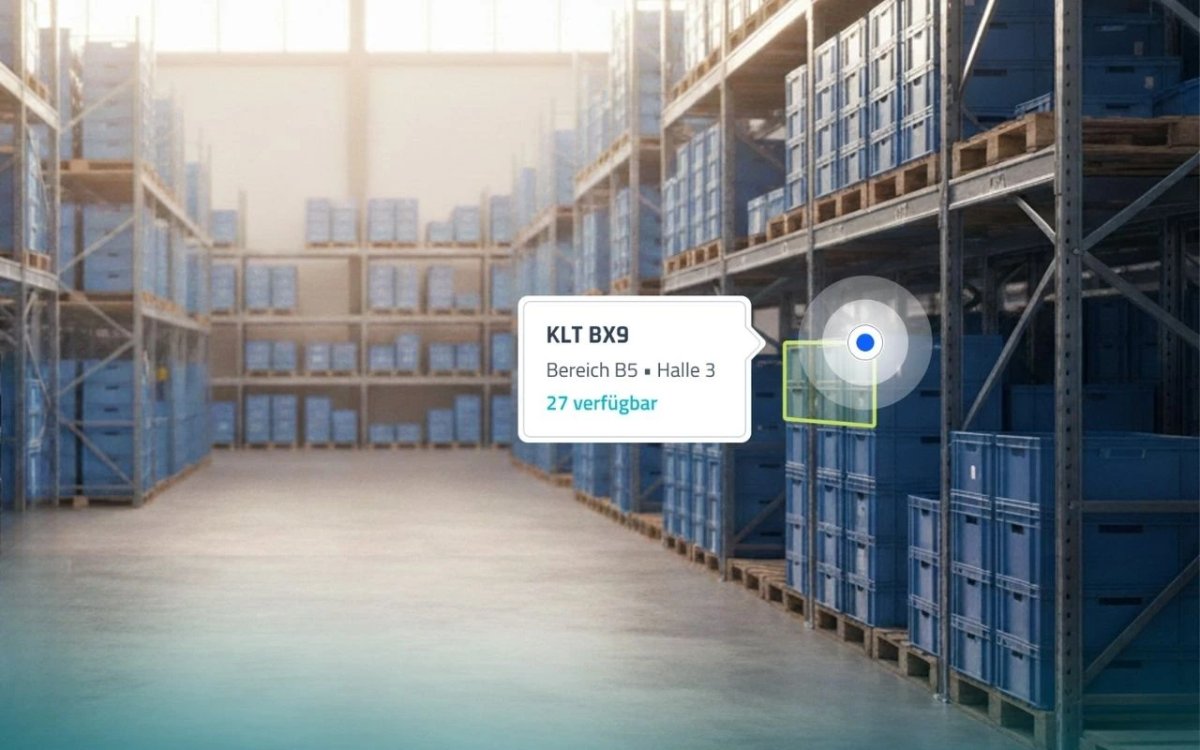
Digital Container Management 4.0: The Partnership of SmartMakers and LOGSOL
Monitor containers more efficiently ✓ digitally connected load carriers ✓ reduce costs through container management 4.0 ✓ Read the article now!
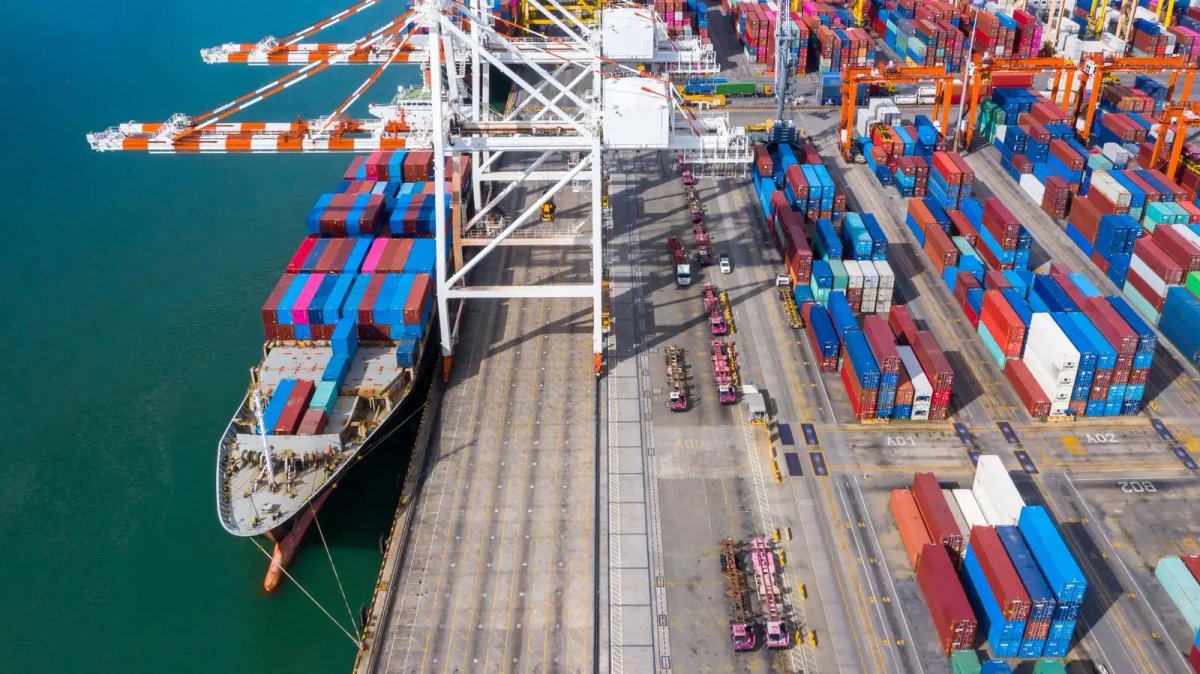
Optimizing Port Operations: Best Practices for Increasing Throughput and Reducing Costs
Maximize the efficiency of your port logistics in 2026: Discover how IoT solutions increase throughput, reduce costs, and enable predictive maintenance.

Data That Moves - Interview with Sebastian Stute
Learn how SmartMakers automates and simplifies production and logistics processes with IoT tracking and real-time data.