How IoT Can Be Used to Address the Skill Shortage
Discover innovative ways to tackle the skill shortage using IoT technology. Explore practical strategies for overcoming the shortage of skilled labor.

In the current situation, skill shortages pose a significant challenge for companies across various industries. We are in the midst of what some media call "the great resignation"—a time when the gig economy and the possibility of earning money through content creation spark dreams of quick money for many people.
Dreams that often do not come true and prevent people from pursuing further education. This, in turn, makes the demand for skilled workers a growing and often worrying concern for most HR departments.
Fortunately, the Internet of Things (IoT) offers solutions to reduce or even close existing and future skill gaps. By using IoT devices and connectivity, companies can automate processes, optimize resource allocation, and increase productivity, paving the way for a sustainable future.
This article provides you with an overview of how advanced smart IoT solutions can be used to address the skill shortage. This enables companies to better manage the growing gap between labor supply and demand in today's market.
The Global Skill Shortage
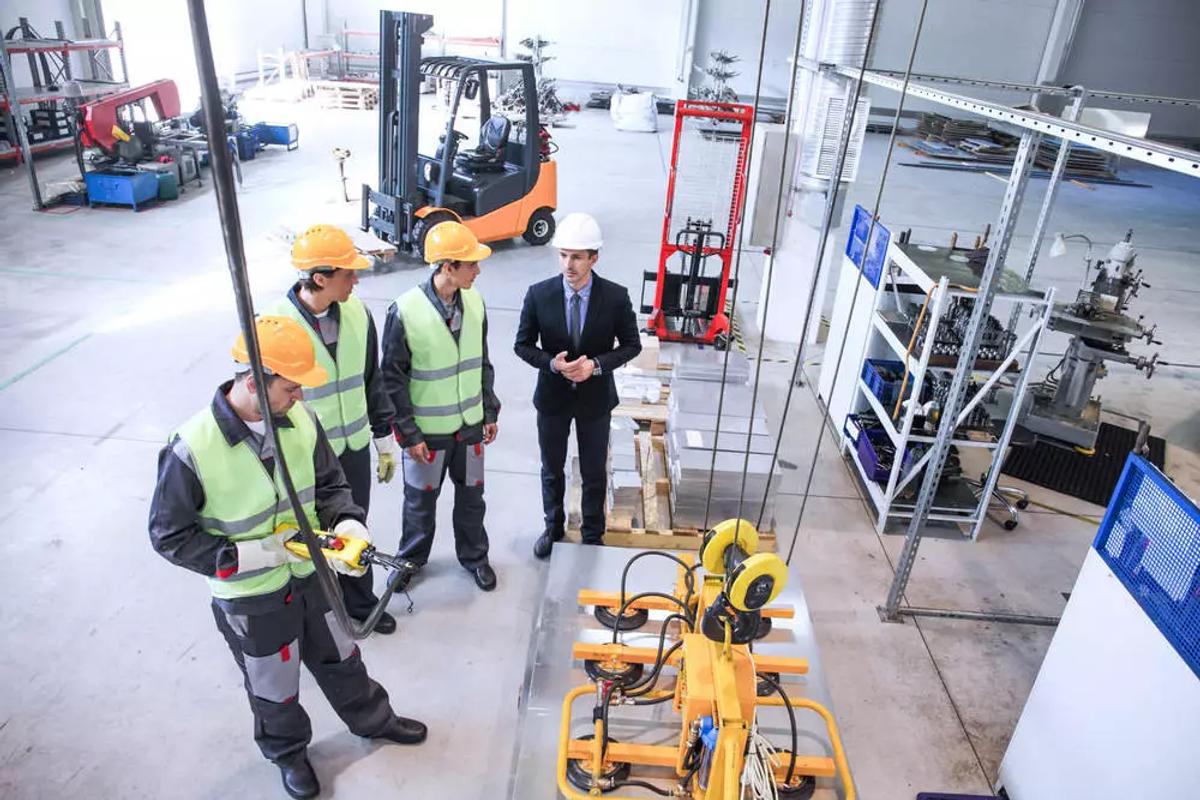
As industries grow and expand, the demand for skilled personnel increases. There is more demand and less supply. Today, there is a shortage of people with the necessary expertise and qualifications to fill these positions. The consequences of the skill shortage often intensify competition between companies, hinder innovation, and delay projects.
Solutions to the labor shortage include promoting education and training programs, recruiting skilled workers from other countries, and investing in technological advancements that can close skill gaps.
IoT as a Possible Solution
IoT refers to a network of connected devices that can collect and exchange data to communicate and perform tasks without human intervention. IoT enables the industry to automate repetitive and low-skilled tasks, allowing skilled workers to focus on critical tasks.
IoT can improve operational efficiency, reduce costs, and increase productivity by streamlining processes and analyzing data in real-time. With the ability to connect devices, machines, and systems, IoT offers potential for innovation and growth in various sectors, creating new job opportunities in the emerging field of IoT development.
IoT automates processes. Where ten employees or assistants were once required, today a single person can complete the work with the help of robotics and IoT devices.
IoT in the Modern Job Market
In a technology-driven world, companies are constantly seeking ways to optimize their operations and reduce reliance on manual labor. IoT offers a solution by connecting devices and systems, enabling seamless communication and data exchange, and supporting the automation of routine tasks.
IoT provides real-time data and analytics, enabling companies to make informed decisions and optimize processes. Therefore, IoT is highly relevant in the modern work environment as it addresses labor shortages and drives economic growth.
Factors Contributing to the Skill Shortage
There are several factors contributing to the skill shortage:
Demographic Change
An aging population and low birth rates have resulted in fewer young workers entering the labor market, creating a gap between retiring skilled workers and young workers with the required qualifications.
Technological Advancement
The education system often struggles to keep pace with technological advancements, leading to a discrepancy between the skills needed by the industry and those possessed by workers.
Lack of Vocational Training
In some countries, the focus is on academic education, neglecting vocational or technical training.

Globalization and Outsourcing
Affects the availability of skilled labor locally and forces companies to seek skilled workers in countries where it is more cost-effective.
Perception and Career Choice
Careers in certain professions requiring specialized skills are stigmatized, which can deter people from pursuing education in these fields, exacerbating the shortage.
Quick Money
There is a gig economy—from Uber and Airbnb to Upwork and content creation on YouTube—in this type of environment, people are drawn to "quick money." This results in a large percentage of people simply having no interest in traditional careers.
How IoT Can Alleviate the Skill Shortage
IoT plays a crucial role in alleviating the skill shortage by enabling companies to optimize or automate their operations, improve productivity, and reduce reliance on skilled labor. Through remote monitoring, companies can extend their reach and manage multiple locations from central control centers without the need for skilled workers to be physically present.
Additionally, IoT enables predictive maintenance and troubleshooting, allowing for immediate detection of issues and maximizing equipment availability. This allows companies to schedule maintenance and resolve issues remotely, reducing the need for skilled technicians on-site.
Benefits of IoT Automation Solutions to Reduce Dependence on Manual Skilled Labor
Increased Efficiency
Structures processes and eliminates the need for human intervention in repetitive, time-consuming tasks, leading to higher productivity.
Cost Savings
By reducing the need for manual skilled labor, labor costs are saved.
Improved Accuracy
Higher accuracy and precision in task execution, fewer errors, and more reliable results.
Increased Safety
Hazardous tasks can be taken over by machines, ensuring a safe environment for workers.
Scalability
Allows companies to quickly expand their operations without the need to hire and train additional skilled workers.
Real-Time Monitoring and Data Analysis
Enables real-time monitoring of processes and assets to identify inefficiencies, optimize operations, and make informed decisions.
Using IoT to Enhance the Existing Workforce
By leveraging IoT technology, companies can enhance the skills of their existing workforce while ensuring they have competent and qualified workers in the future. IoT sensors can collect data from operations, providing real-time insights into performance and identifying areas where training is needed. IoT-powered Virtual Reality (VR) and Augmented Reality (AR) tools can also provide training environments where workers can practice complex tasks in a safe setting.
IoT Solutions to Combat the Skilled Labor Shortage
IoT solutions can be effectively deployed to counter the shortage of skilled labor. Here are some examples:
Remote Monitoring and Control
Enables remote monitoring and control of devices and processes by capturing real-time data, reducing the need for skilled workers on-site.
Predictive Maintenance and Troubleshooting
Enables predictive maintenance by continuously monitoring device performance and collecting data on various parameters. Through analytics, issues can be quickly identified and resolved.
Collaborative Robots (Cobots) in Manufacturing and Logistics
IoT connectivity enables seamless integration between cobots and other systems, allowing for real-time coordination and collaboration. Robots can be remotely controlled or programmed to perform physically demanding tasks, freeing skilled workers to focus on more complex or value-added activities.

IoT Solutions as the Last Line of Defense Against the Skill Shortage
The skill shortage refers to the gap between the demand for skilled workers and the available supply across various industries. This shortage has far-reaching implications for businesses, the economy, and society as a whole. The consequences include slower economic growth, reduced productivity, higher operating costs, and lost business opportunities.
Companies often struggle to find qualified candidates for open positions, leading to lengthy hiring processes and intensified competition for top talent. This also puts pressure on existing skilled workers, who may face high workloads and burnout. To address this challenge, investments in training programs, educational initiatives, and apprenticeships are crucial to developing the necessary competencies among the workforce.
As more assets become connected, IoT is expected to revolutionize industries, leading to a transformation of jobs and new roles. IoT-driven automation will continue to replace repetitive and monotonous tasks, allowing workers to focus on activities that require critical thinking, problem-solving, and creativity. This shift will require workers to upskill and adapt to the changing technological landscape.
IoT will create new employment opportunities in areas such as data analysis, cybersecurity, IoT device management, and system integration. The Internet of Things will also enable remote work and flexible working hours, contributing to a better work-life balance and opening up opportunities for a more distributed workforce.
Are you ready to tackle the skill shortage in your company with IoT?