5 Main Types of IoT Asset Tracking Systems
Nowadays, many different types of IoT asset tracking systems are available. Find out which one is right for you.

The technology of the Internet of Things (IoT) is becoming increasingly popular among companies as they discover all the amazing possibilities to make their operations more efficient.
One of the most exciting aspects of IoT is the ability to track and manage assets in real-time, which can bring a range of benefits to businesses.
In this blog post, we will explore five main types of IoT asset tracking systems and discuss how each system differs from the others.
IoT asset tracking as one of the most effective tools for tracking your inventory?
IoT asset tracking is one of the most efficient and effective tools for tracking your inventory.
Track location in real-time
IoT-enabled devices can be used to track the location of assets in real-time, so you always know where your inventory is and how it is being used.
Avoid losses from theft or misplacement
IoT inventory tracking can also help reduce losses from theft or misplaced items, improve asset utilization, and avoid downtime.
Keep better track of your inventory
Additionally, IoT asset tracking can provide valuable insights into the movements and trends of your inventory, helping you make informed decisions about stock levels and purchases.
Therefore, IoT Asset-Tracking is an indispensable tool for any business looking to optimize its inventory management.
Asset tracking systems with IoT - Satellites and GPS
IoT asset tracking systems use a variety of methods to keep track of assets.
IoT systems with GPS
A common method is GPS. IoT devices with GPS can be used to track the location of assets in real-time. This is useful for fleet management or monitoring the location of high-value items.
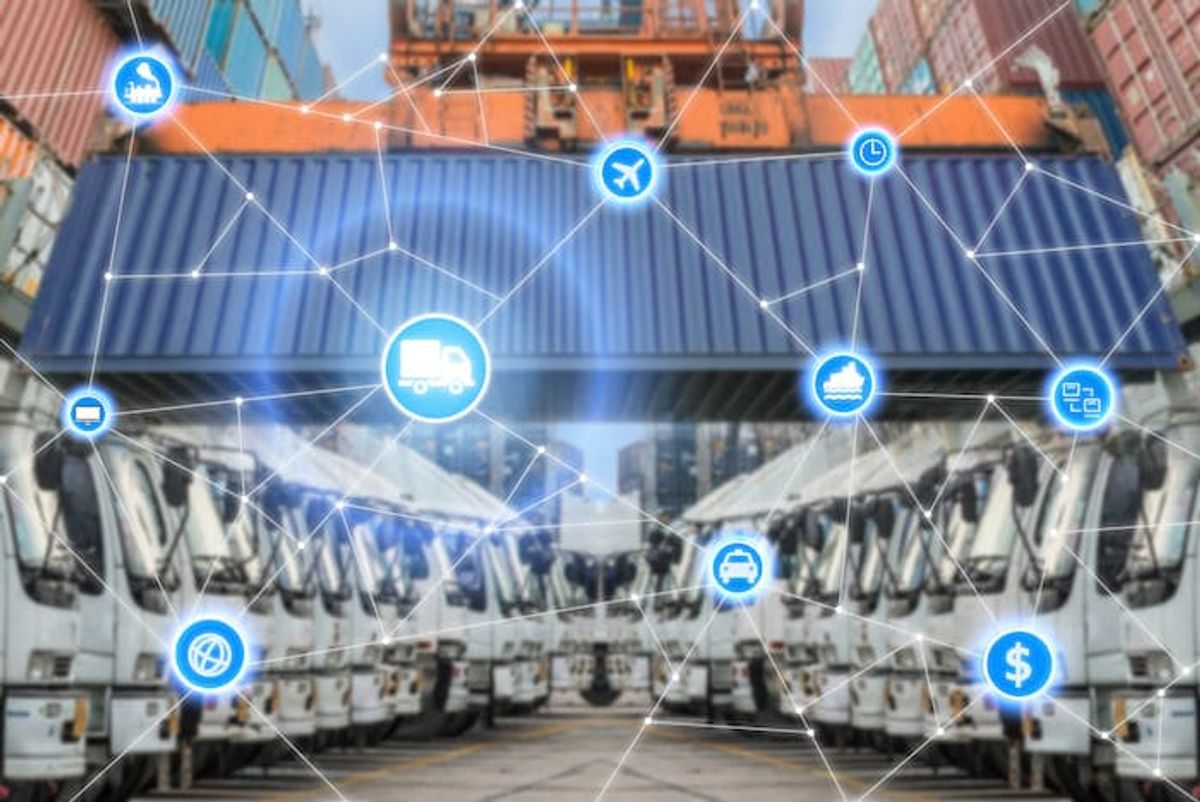
Another common method is satellite tracking.
With IoT devices that use satellite tracking, you can track objects anywhere in the world, regardless of whether there is a clear line of sight to the object. Well-suited for monitoring weather conditions or tracking animal movements.
IoT asset tracking systems are an indispensable tool for businesses and organizations that need to keep track of their assets.
Asset tracking system with IoT - RFID
IoT RFID systems for asset tracking are becoming increasingly popular for inventory management in businesses. But how do these work?
Track your assets with tags
IoT RFID tags are attached to the assets, and IoT RFID readers are used to read the tags. The IoT RFID system then uses the data from the tags to track the assets.
This data can help companies keep track of their inventory and prevent the loss or theft of items.
IoT RFID systems for asset tracking are becoming increasingly popular as they offer a more efficient and accurate method of tracking assets than traditional methods.
IoT asset tracking system - Cellular
Some IoT asset tracking systems rely on cellular networks (4G, 5G, LTE) to function.
Cellular - Internet connection via cellular waves
Cellular waves are sent by cell towers and received by cellular devices such as smartphones. These waves are then converted into electrical signals that can be processed by the device. The device uses these signals to connect to the internet and access information.
Data and location transmission via cellular waves
These IoT asset tracking systems use cellular waves to transmit data about the location of an asset. This information is then sent over the cellular network to a server. The server stores it and makes it available to the owner of the object.
IoT systems for tracking assets are becoming increasingly popular as they offer a more reliable and accurate method of tracking than traditional methods such as barcodes or RFID tags.
IoT asset tracking systems - LPWAN - NB-IoT and LTE-M
LPWAN technologies (Low Power Wide Area Network) such as NB-IoT and LTE-M are specifically designed for IoT applications and offer low power consumption and long-range connectivity.

Tracking assets in challenging environments
NB-IoT is particularly well-suited for tracking assets as it offers high accuracy and reliability even in challenging environments. LTE-M is also ideal for IoT asset tracking as it provides low latency and high throughput.
When you use an IoT asset tracking system based on LPWAN technology, you can be confident that your assets are being tracked effectively and efficiently.
IoT-based asset tracking system - Bluetooth
One type of IoT device is an asset tracking system that uses Bluetooth to keep track of assets and equipment.
How the asset tracking system works via Bluetooth
Each item is equipped with a tag that emits a signal. This signal is received by sensors distributed throughout the premises. The sensors then relay the information to a central database, which authorized users can access.
Asset tracking systems are used in a variety of environments, from manufacturing facilities to office buildings. They provide a convenient way to keep track of items and improve efficiency.
Conclusion - Which IoT asset tracking system is right for you?
With all the different IoT options available, it can be difficult to decide which one is right for you. Here are a few things to consider when choosing an IoT option for asset tracking:
-Satellite and GPS are best for tracking assets in remote or hard-to-reach areas.
-RFID is best for tracking high-value goods or goods that need to be monitored in real-time.
-Cellular is best for tracking assets that move frequently or are in areas with poor cellular coverage.
-LPWAN - NB-IoT and LTE-M are best for tracking a large number of objects over long distances.
-Bluetooth is best for tracking objects over short distances or objects that do not need to be monitored in real-time.
We help you find the right asset tracking solution for your use cases.
Read on
What is BLE (Bluetooth Low Energy)?
Your smartwatch synchronizes the time with your phone, the fitness tracker reports the steps, the temperature Sensor in the warehouse transmits its value. Three different devices, yet often the same technology is at the core. It's called BLE, which stands for Bluetooth Low Energy, and its main trick is not to transmit a lot, but to consume very little power. This article explains what BLE is, how it works, how it differs from classic Bluetooth, and where it is used in industrial operations.

Identify Production Bottlenecks Early: How to Prevent Production Stops
In this webinar, SmartMakers shows you how to identify impending bottlenecks in production before the line comes to a standstill. We show you how to reduce your employees' search times and systematically eliminate unplanned stops from your processes.
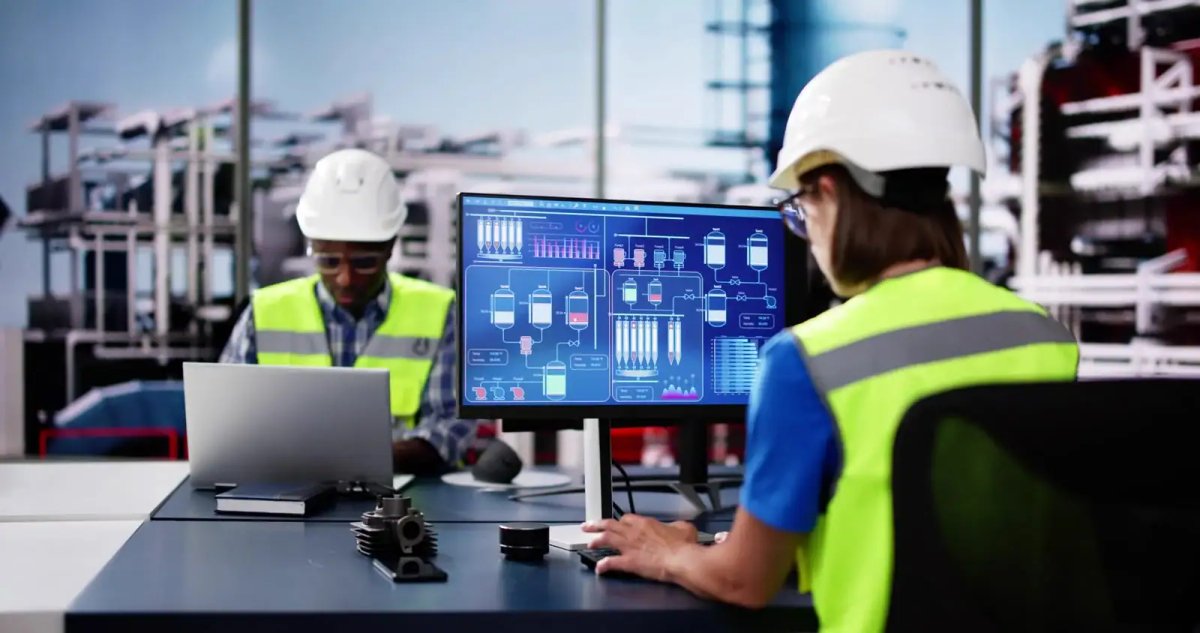
How Equipment Asset Tags Enable Smarter Decisions with IoT Analytics
Discover how equipment asset tags combined with IoT analytics enable data-driven decisions, predictive maintenance, and optimized asset utilization.