How Equipment Asset Tags Enable Smarter Decisions with IoT Analytics
Discover how equipment asset tags combined with IoT analytics enable data-driven decisions, predictive maintenance, and optimized asset utilization.
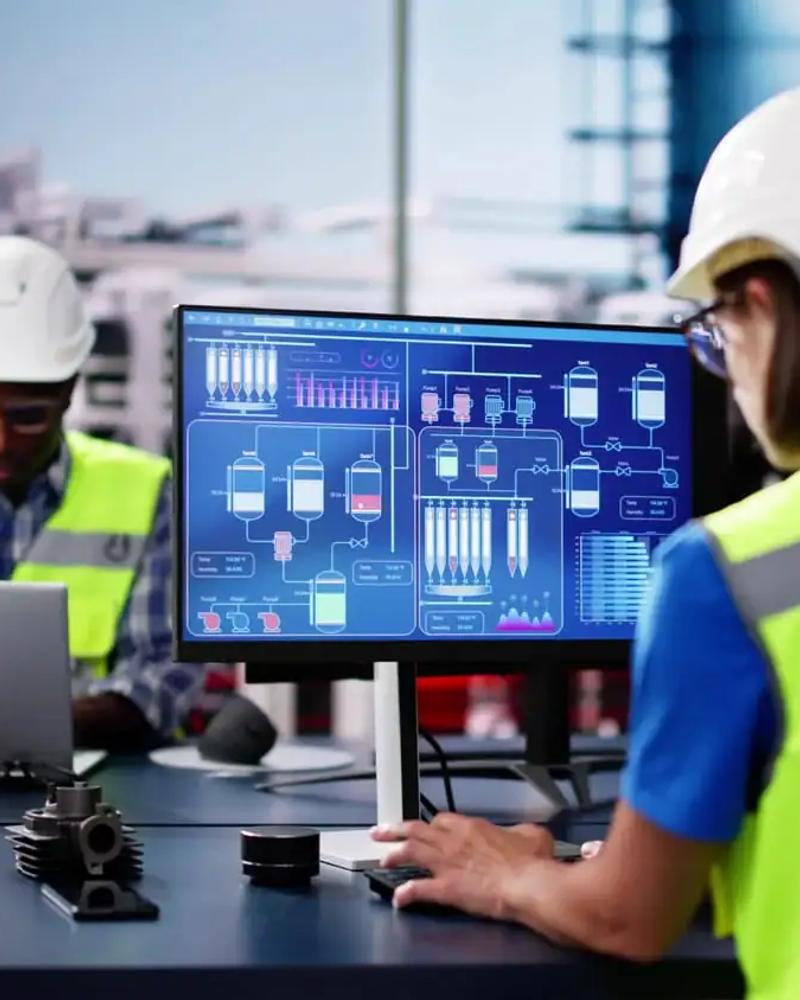
Every piece of equipment in your facility tells a story – when it was last used, how hard it is working, when it might fail, and whether it is being used efficiently or sitting idle. Without the right tools, these stories remain untold, and companies make decisions based on assumptions or outdated information.
Asset tags for equipment have evolved from simple labels to sophisticated data collection points that, combined with IoT analytics, transform how companies manage physical assets. According to Deloitte, organizations implementing IoT-enabled asset management solutions report average improvements in operational efficiency by 30% and maintenance cost reductions by 25%.
This article explores how equipment asset tags combined with IoT analytics enable smarter, data-driven decision-making, improve utilization, reduce costs, and transform reactive operations into proactive systems.
Understanding Asset Tags and IoT Analytics
What are Asset Tags?
Asset tags for equipment are physical identifiers attached to machines, tools, and vehicles, enabling tracking and management. Modern tags utilize:
- RFID: Radio wave communication, contactless scanning (passive: 1-10m, active: 30-100+m)
- GPS Tags: Satellite-based global positioning for mobile equipment
- BLE: Energy-efficient tags with room-level accuracy, smartphone-compatible
- Barcodes/QR Codes: Cost-effective visual identifiers for stationary equipment
IoT transforms passive identification into active intelligence. IoT-enabled asset tags continuously monitor usage patterns, environmental conditions, operational status, and performance metrics. Data flows to centralized platforms where analytics engines process information, identify patterns, and deliver actionable insights.
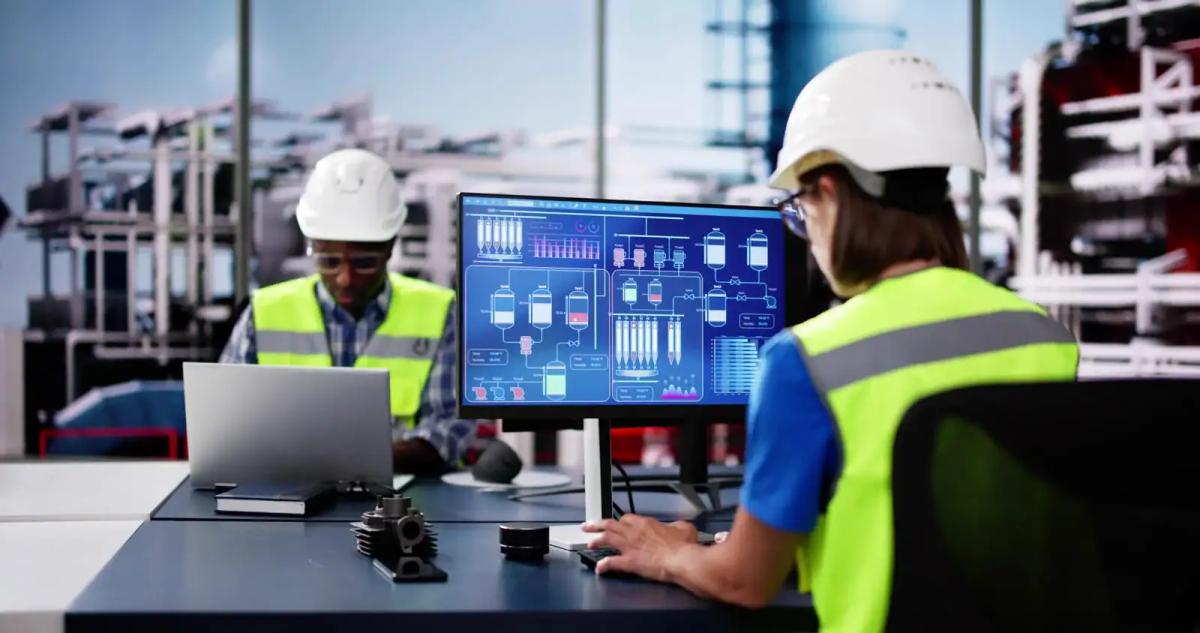
The Power of IoT Analytics in Equipment Asset Management
From Data Collection to Actionable Insights
Asset tags for equipment connect identification with IoT analytics through four stages:
- Data Collection: IoT sensors continuously gather information – operating hours, usage intensity, location, environmental impact, and operational parameters.
- Processing: Platforms like SmartMakers' thingsHub aggregate data from various technologies. Cloud analytics process massive streams and identify invisible patterns.
- Insight Generation: Algorithms analyze data to reveal which equipment is underutilized, when machines need maintenance, how patterns vary, and where inefficiencies exist.
- Decision Support: Insights transform into recommendations and automated actions guiding maintenance scheduling, procurement decisions, and operational optimization.
Predictive Maintenance: Preventing Failures Before They Occur
IoT analytics with equipment asset tags shift organizations from reactive or scheduled maintenance to condition-based maintenance. Traditional approaches risk unexpected failures or premature maintenance.
Predictive maintenance works differently: IoT sensors monitor equipment health indicators – vibration, temperature, performance. Analytics establish baseline profiles. Machine learning detects deviations indicating emerging issues. The system generates maintenance alerts before failures occur.
McKinsey & Company reports that predictive maintenance reduces maintenance costs by 10-40%, decreases downtime by up to 50%, and extends asset lifespan by 20-40%.
Optimizing Asset Utilization Through Data Intelligence
Equipment asset tagging with IoT analytics addresses overinvestment challenges through comprehensive tracking. Track when equipment operates and at what intensity, know exact locations and availability, compare usage across similar equipment, and base purchases on evidence of actual demand rather than perceived needs.
Key Benefits of Asset Tags for Smarter Decision-Making
Enhanced Transparency and Real-Time Monitoring
Equipment asset tags connected to IoT platforms provide unprecedented transparency into asset ecosystems. Real-time dashboards display equipment locations, operational status, usage patterns, and performance metrics across facilities.
This eliminates information gaps – lost equipment becomes instantly locatable, estimated usage is precisely measured, and unknown condition is continuously monitored. Alerts notify managers when equipment is moved unexpectedly (potential theft), operates outside normal parameters (potential failure), or reaches usage thresholds (maintenance due).
Increased Efficiency Through Data-Driven Decisions
Data replaces assumptions in operational decisions. Equipment asset tags feeding IoT platforms answer critical questions: Which equipment should we prioritize for replacement? Where should we allocate equipment to maximize utilization? What are the true total operating costs? How do maintenance strategies impact longevity? These insights optimize route planning, project scheduling, and resource allocation.
Cost Reduction Through Multiple Avenues
IoT-enabled equipment asset tagging reduces costs through multiple mechanisms:
- prevented losses (40-60% reduction in theft/loss rate),
- optimized maintenance (10-40% cost reduction through predictive strategies),
- improved utilization (deferred capital expenditures through better visibility),
- extended asset lifespan (20-40% longer through proper maintenance)
- reduced downtime (prevented production losses through failure prevention).
Common Applications of BLE Tags for Asset Tracking
- Warehousing and Inventory Management: Distribution centers use BLE asset tracking tags for rapid cycle counts, optimized picking routes, automated inventory updates, and quick SKU localization.
- Manufacturing and Industrial Environments: Manufacturers use BLE tags for tool management, production monitoring, equipment usage tracking, and quality control verification – ensuring specialized tools are available and materials move properly through production stages.
- Healthcare Asset Management: Hospitals track mobile equipment across departments, locate critical devices in seconds, ensure proper distribution, monitor usage for purchasing decisions, and support cleaning workflows.
- Retail and Logistics: Retailers deploy BLE tracking for real-time inventory transparency, smart shelf alerts, theft prevention systems, and omnichannel fulfillment optimization through accurate inventory data.
Implementing IoT-Enabled Equipment Asset Tagging
Successful implementation requires aligning tag technologies with specific needs: GPS tags for mobile equipment moved between locations,
- RFID tags for proximity-based facility tracking and automated checkpoint scanning,
- BLE tags for room-level accuracy with smartphone-based scanning
- Barcodes for cost-effective stationary equipment identification. Many organizations implement hybrid approaches – expensive GPS only where essential, cost-effective RFID or barcodes elsewhere.
Integration with existing business systems is crucial. IoT platforms should seamlessly connect with ERP platforms for financial integration, CMMS for maintenance automation, project management systems for resource allocation, and business intelligence tools for reporting. Platforms like SmartMakers' thingsHub offer robust APIs ensuring equipment data flows through organizational systems.
Successful adoption requires organizational change management. Train personnel in system usage, establish clear procedures for tag installation and check-in/check-out, start with pilot programs demonstrating value, and continuously optimize based on feedback.Real-world impacts span industries: Manufacturing monitors equipment health and schedules maintenance during planned downtimes. Construction tracks machinery across sites and prevents theft through geofencing. Healthcare monitors medical equipment locations and ensures sterilization. Fleet operations optimize utilization through route analysis and implement predictive maintenance.

Conclusion
Asset tags for equipment, integrated with IoT analytics, transform how companies manage physical assets. The data these systems generate enable a fundamental shift from reactive management to proactive, evidence-based optimization. Benefits span reduced costs, improved efficiency, increased reliability, and better capital allocation.
SmartMakers helps companies implement IoT-driven asset tracking solutions, integrating diverse technologies through our thingsHub platform. We provide technology and expertise to transform equipment data into actionable intelligence driving smarter decisions.
Ready to unlock equipment intelligence? Contact SmartMakers today to discover how equipment asset tags with IoT analytics can transform your asset management.
Frequently Asked Questions About Equipment Asset Tags and IoT Analytics
Q: What is the difference between simple and IoT-enabled asset tags?
A: Simple tags identify equipment – “this is asset #12345”. IoT-enabled tags actively monitor and transmit data about condition, usage, location, and performance. The difference is passive identification versus active intelligence enabling predictive insights and automated decision support.
Q: How quickly can organizations see ROI?
A: Most realize positive ROI within 12-18 months through prevented losses, reduced maintenance costs, deferred purchases, and decreased downtime. Organizations with high loss rates or costly downtime see quicker returns.
Q: Do IoT tags require significant IT infrastructure?
A: No. Cloud-based platforms minimize requirements. Tags are standalone, data processing occurs in the cloud, accessible via browser or apps. You only need network connectivity and standard devices – no expensive servers or specialized IT staff.
Q: How does predictive maintenance work?
A: IoT sensors monitor operational parameters. Analytics establish normal baselines. Machine learning detects anomalous patterns indicating emerging issues. The system alerts maintenance teams before failures occur, enabling scheduled repairs instead of emergency responses.
Q: Can systems integrate with existing business software?
A: Yes. Modern platforms offer robust APIs and standard protocols connecting with ERP, CMMS, project management, and business intelligence systems. Integration ensures equipment data flows through organizations. Experienced providers typically complete integrations within weeks.