Ensuring Sustainability and Profitability in Reverse Supply Chain Management
Reverse Supply Chain Management ensures sustainability and profitability. IoT optimizes processes, increases efficiency, and reduces costs while improving the company's image.
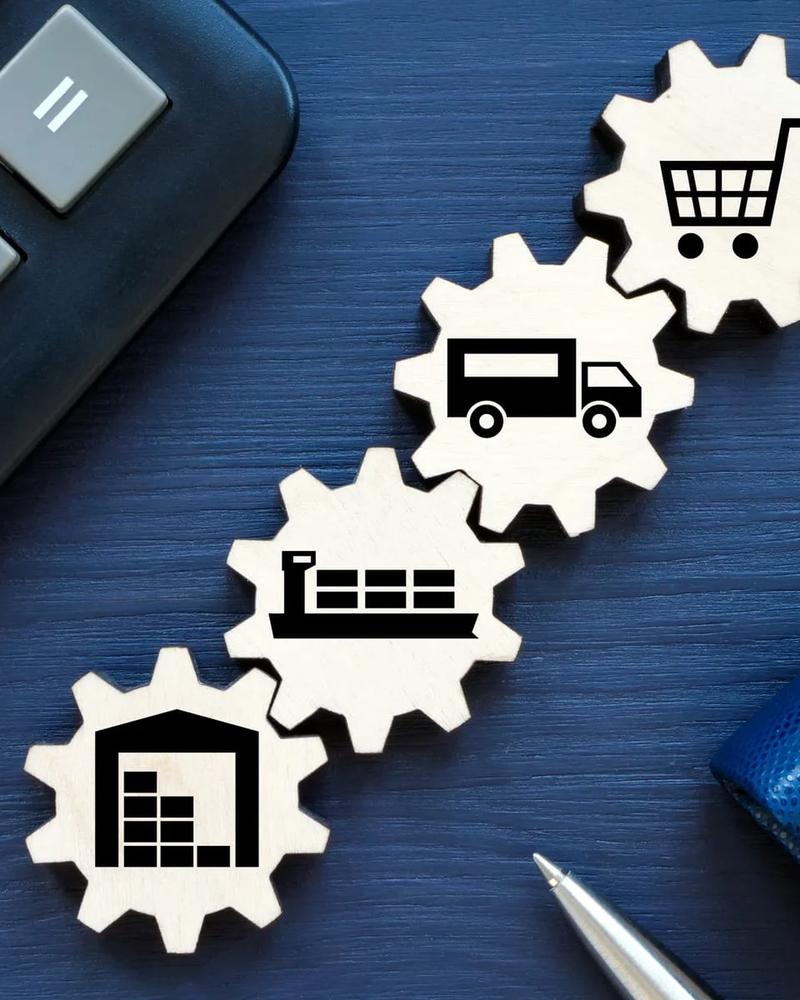
In today's business world, sustainability and efficiency are indispensable pillars for a company's success. The Internet of Things (IoT) and technological innovations play a crucial role in Reverse Supply Chain management. IoT provides solutions to address operational challenges, optimize processes, and increase profitability.
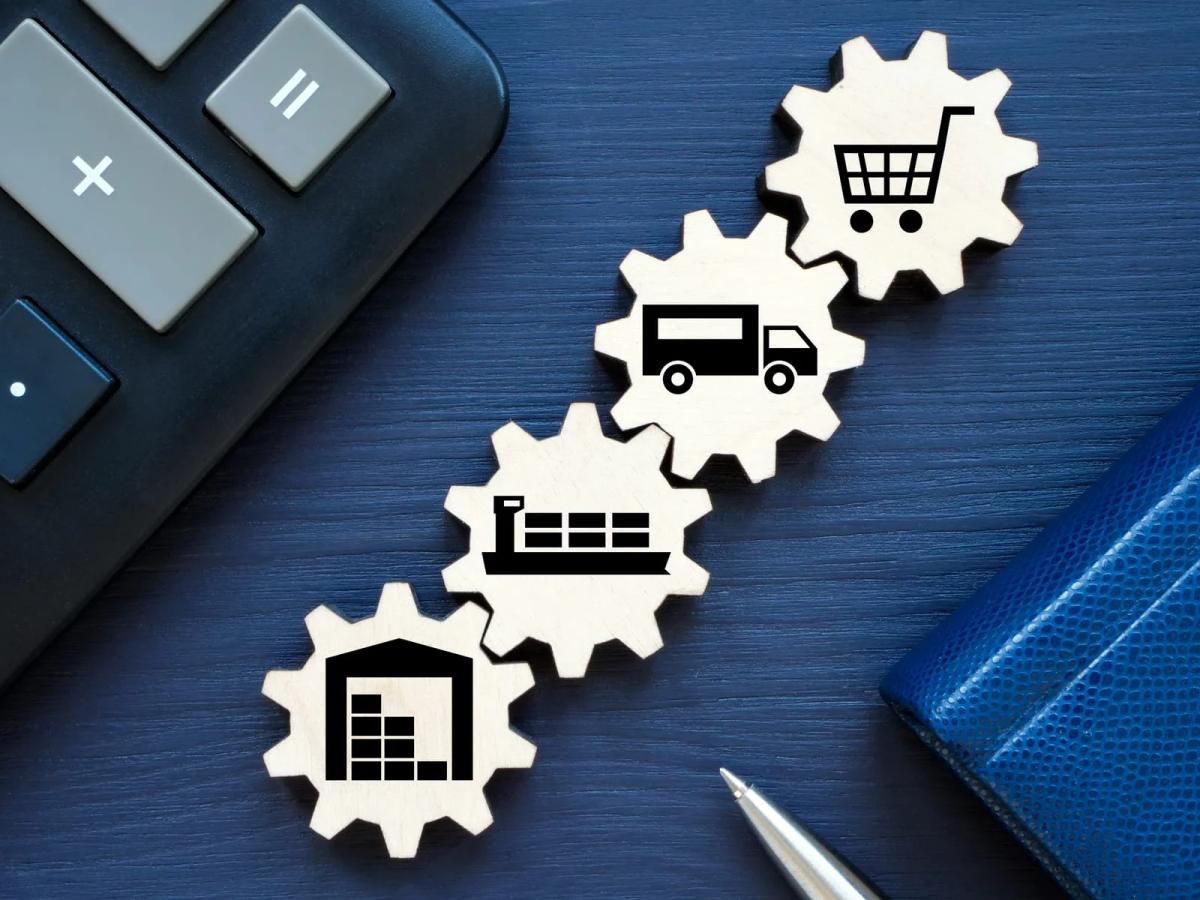
Introduction
Unlike traditional supply chain processes, which focus on the production and distribution of products, Reverse Supply Chain Management focuses on returning products to the production cycle. This is achieved through reuse, recycling, repair, or resale, thus making a significant contribution to environmental protection and the economic efficiency of a company.
In this article, we examine how the Internet of Things (IoT) can help optimize these processes to further increase both sustainability and profitability. First, we look at the challenges in Reverse Supply Chain Management and then present suitable solution approaches.
Reverse Supply Chain Management
Companies face numerous challenges when implementing the Reverse Supply Chain. These include logistical obstacles, quality control, regulatory compliance, and environmental impacts. Comprehensive analysis and innovative solutions are required to address these aspects.
Challenges in Reverse Supply Chain Management
- Logistical hurdles: Unlike forward logistics, where products are delivered in large quantities to a few locations, Reverse Supply Chain Management is characterized by a multitude of small and unpredictable returns. Companies are therefore challenged to develop and ensure efficient systems for the return, sorting, and forwarding of these items.
- Quality assurance: Another significant challenge in the Reverse Supply Chain is ensuring quality. Returns often do not arrive at the company in perfect condition, making their direct reintegration into the production cycle difficult. It is therefore crucial to develop effective procedures for reconditioning these items.
- Regulatory compliance: Compliance with legal regulations is another hurdle. In most countries, there are strict regulations regarding the return and disposal of certain products. To avoid penalties, Reverse Supply Chain activities must comply with cross-border regulations.
- Environmental impacts: Last but not least, reducing environmental impacts plays a crucial role. Efficient reuse and disposal of products and materials can make a significant contribution to conserving natural resources and avoiding waste.
Impact on Sustainability and Profitability
The challenges outlined in Reverse Supply Chain Management have direct impacts on the profitability and sustainability of companies. Logistical difficulties and inefficient processes can lead to increased operating costs, while a lack of quality assurance and non-compliance with regulatory requirements can result in financial risks and a loss of corporate reputation. Additionally, inadequate environmental management can not only worsen the environmental balance but also pose long-term economic risks.
Reverse Supply Chain Solutions
To address these challenges, companies rely on various solutions in the field of Reverse Supply Chain Management. These include digitization, process optimization, collaborations, and customer involvement. By using IoT, companies can achieve greater transparency in their Reverse Supply Chain. In addition, standardized processes contribute to increased efficiency.
Collaboration with specialized service providers enables companies to better meet complex regulatory requirements and achieve their sustainability goals. Furthermore, the active involvement of customers in Reverse Supply Chain Management through the creation of incentives has a positive effect. In the next section, however, we will specifically look at how IoT can be used as a solution.

Process Optimization with IoT in the Reverse Supply Chain
For optimizing Reverse Supply Chain processes, the Internet of Things has established itself as a key technology. By integrating IoT solutions, companies can achieve an unprecedented level of transparency and efficiency in their Reverse Supply Chain processes.
- Predictive maintenance and quality assurance: The Internet of Things (IoT) enables real-time monitoring of the condition of products and components, allowing for the implementation of predictive maintenance strategies. Companies can detect problems early before failures occur, increasing the quality and reliability of refurbished products.
- Better decision-making: IoT improves decision-making in Reverse Supply Chain Management through real-time data and advanced analytics capabilities. With up-to-date information on the condition and market value of returned products, more informed decisions can be made about whether to recycle, repair, reuse, or sell them.
- More efficiency through data analysis: The data generated by IoT devices offers rich analytical opportunities. Using advanced data analysis techniques, companies can identify patterns, make predictions, and optimize processes to increase efficiency.
- Real-time monitoring: The ability of the Internet of Things (IoT) to enable real-time monitoring and control of returned products is another outstanding feature. IoT devices such as sensors or trackers provide detailed insights into the condition and location of products throughout the return process.
Significant Cost Savings through IoT in Reverse Supply Chain Management
The use of IoT can enable your company to achieve significant cost savings in Reverse Supply Chain Management. Real-time monitoring and analysis by IoT devices lead to significant efficiency gains in this area. By optimizing logistics processes, transportation and storage costs can be reduced. Additionally, recycling and selling materials can provide an additional revenue stream, especially through optimized sorting of returns using IoT.
Communicated sustainability helps improve the company's image in the eyes of customers, leading to higher customer retention and more new customers. IoT also helps avoid costly penalties by ensuring compliance with regulations and secures competitiveness in a rapidly changing regulatory landscape of many markets.
Summary
By integrating IoT into Reverse Supply Chain Management, companies can overcome all major challenges and optimize processes. It offers unprecedented transparency and control over return processes, improves decision-making through real-time data and analytics, and supports efficient use of all resources. This will impact both the sustainability and profitability of your company. If you are a decision-maker in a company, now is the right time to invest in forward-looking IoT technologies. By making the switch early, you can also secure a competitive advantage.