Achieving Supply Chain Transparency: Challenges and Solutions for 2024
IoT solutions for transparent supply chains. Blockchain, IoT, and AI overcome challenges, create efficiency and trust.
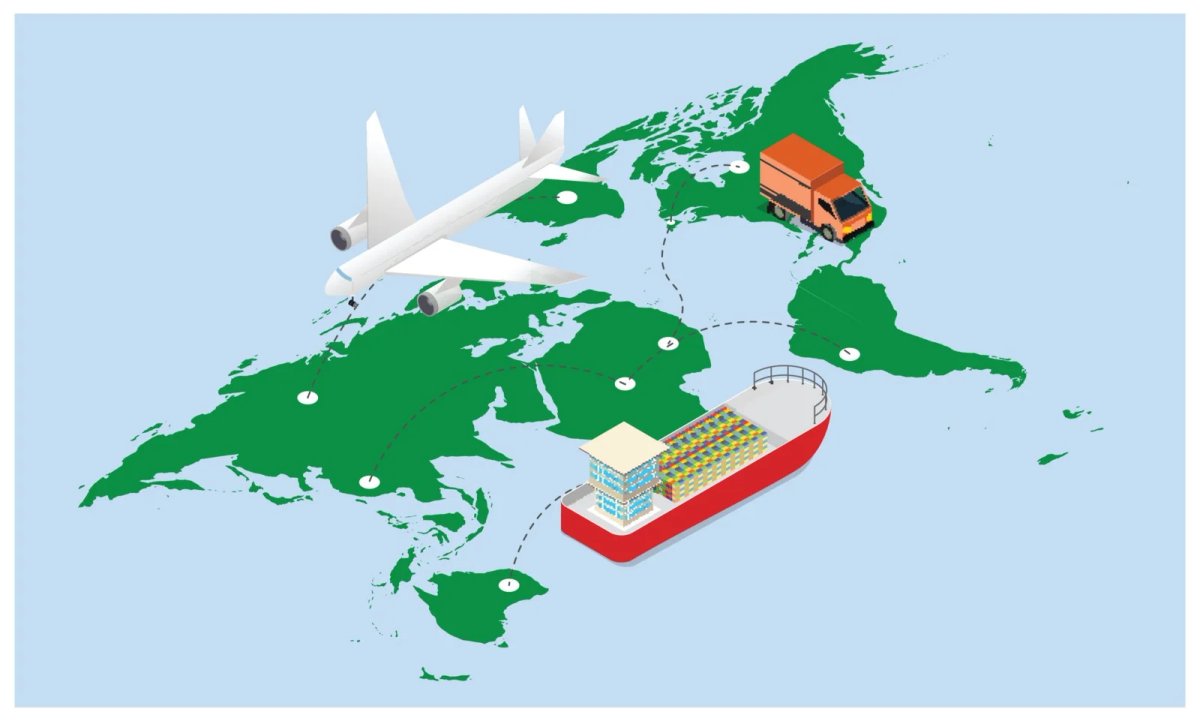
In 2024, companies continue to face the challenging task of increasing transparency in their supply chains. This article is aimed at industry leaders and experts to inform about the challenges, present possible solutions, and specifically examine the role of IoT in optimizing operations, building customer trust, and ensuring regulatory compliance.
Introduction to Supply Chain Transparency
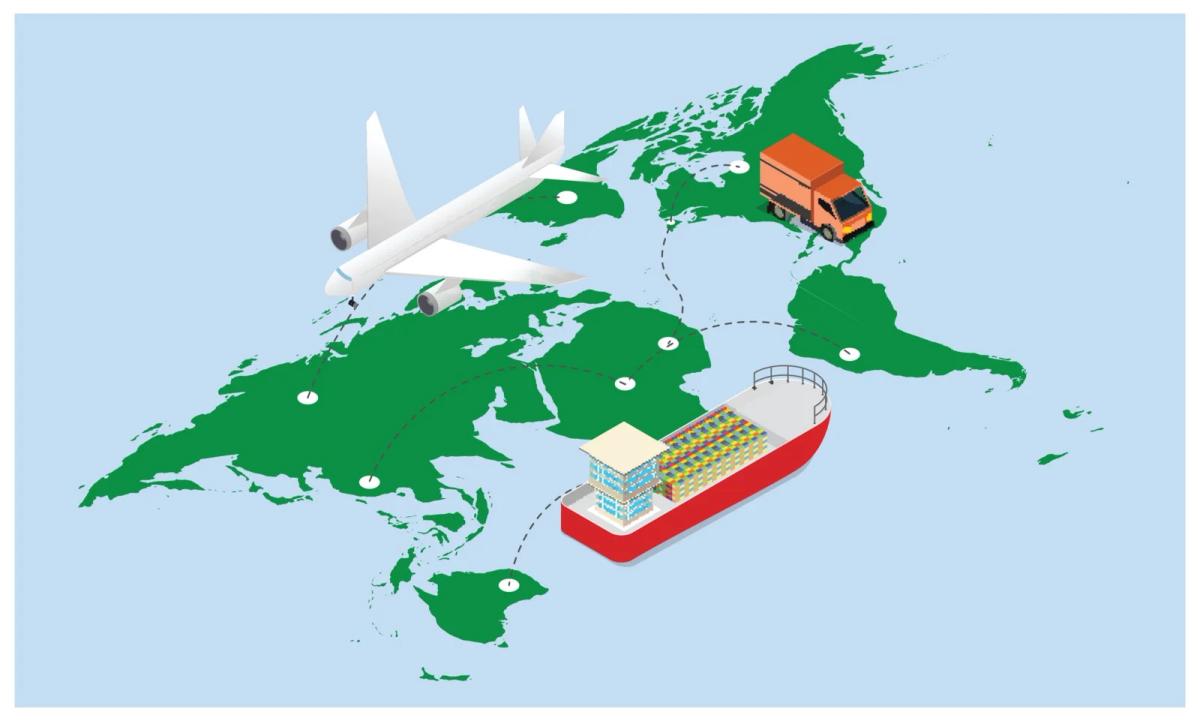
Supply chain transparency refers to the comprehensive traceability and disclosure of all activities and transactions along the entire supply path. In today's globalized economy, transparency is of essential importance. It not only enables companies to work more efficiently and minimize risks but also to build a solid trust base with customers and business partners. The demand for transparency is growing in light of increasing regulatory requirements and a growing consumer awareness of ethical production conditions.
The impacts of this development are diverse. Companies that disclose and optimize their supply chains can not only strengthen their market position but also exert a positive influence on the environment and society. Innovative technologies such as the Internet of Things (IoT) play a central role in realizing and improving transparency in supply chains.
The following sections will outline ways to achieve a transparent supply chain and the technologies used for this purpose.
Supply Chain Transparency
The degree of transparency in supply chains varies greatly worldwide. Especially in key industries such as food, beverage, electronics, and apparel, traceability of processes is crucial. In the food industry, transparency ensures product safety and quality, while in the electronics industry, ethical aspects such as avoiding child labor are the focus. The apparel industry also struggles with the traceability of fair working conditions and environmental standards. Technological limitations, inconsistent regulations, and complex logistical challenges are the biggest obstacles to comprehensive transparency. The diversity and global distribution of suppliers often make seamless monitoring and documentation of the supply chain difficult.
Challenges for a Transparent Supply Chain
The challenges for a transparent supply chain can be roughly divided into four areas, which we will examine in detail in this section:
1. Data Management Challenges: In many companies, data is organized in isolated silos, hindering the flow of information between different departments and external partners. Additionally, a lack of standardization complicates the efficient aggregation and analysis of data. Data protection concerns, particularly regarding the processing of personal data and the security of sensitive information, pose additional hurdles. These factors make transparent and efficient monitoring and control of the supply chain difficult.
2. Technological Challenges: Current technologies often reach their limits in meeting the diverse and dynamic demands of modern supply chains. Companies urgently need solutions that enable better integration and automation. This includes innovative IoT devices that can collect and transmit data in real-time. Additionally, advanced analytics tools are required to effectively utilize this data and gain a comprehensive overview of the supply chain to act proactively.
3. Regulatory Challenges: Companies operating globally face a multitude of national and international regulations that are often contradictory or difficult to interpret. This complicates the implementation of consistent standards and processes and increases costs and effort. The complexity of legal frameworks requires a high level of expertise and can slow down adaptation to new market conditions and impair flexibility.
4. Challenges in Stakeholder Engagement: Integrating various stakeholders, including suppliers, customers, and internal teams, is often challenging. These groups often pursue different interests and have varying resources. Conflicts can arise when short-term financial goals collide with long-term strategies for sustainable practices. An effective stakeholder engagement strategy requires transparent communication to align all parties towards the common goal of transparency and efficiency in the supply chain.

Technological Solutions for Supply Chain Transparency
Transparency in supply chains is predominantly ensured through Blockchain technology, IoT & real-time data, and AI & Big Data.
Blockchain Technology for Supply Chain Transparency
Blockchain technology provides a decentralized and tamper-proof framework that enables the secure and transparent documentation of transactions. Each block in the blockchain contains an immutable copy of the record. Once confirmed, it cannot be altered or manipulated, ensuring data integrity. The absence of a central authority strengthens trust between the parties involved. Companies use blockchain, for example, to verify compliance with standards, especially in critical industries such as the pharmaceutical industry. Blockchain technology has thus established itself as an indispensable tool in many areas.
IoT and Real-Time Data
The Internet of Things revolutionizes supply chain monitoring through real-time tracking of products and materials. Products equipped with IoT devices continuously send data about their location and condition. This allows companies to plan delivery times more precisely, optimize inventory, and immediately detect issues such as delays or damages. The use of this technology not only increases efficiency but also enhances customer satisfaction through improved reliability and transparency.
AI and Big Data
Artificial Intelligence (AI) and Big Data play a crucial role in predicting disruptions and optimizing transparency in supply chains. AI algorithms analyze large data sets to identify patterns and predict potential bottlenecks or failures. Instead of merely reacting to problems, companies can act proactively thanks to these technologies. By improving decision-making, AI and Big Data help increase productivity and minimize risks. This makes the supply chain more robust and transparent.
Summary
The importance of supply chain transparency for companies cannot be overstated. A transparent supply chain enables more precise monitoring of production processes, compliance with required standards, and the promotion of sustainability. All these aspects are crucial for companies to achieve long-term customer satisfaction and a positive external perception.
Leaders and decision-makers should invest in the Internet of Things early. This not only improves supply chains but also creates a more sustainable and responsible business world. Now is the right time to set the course and secure a competitive advantage.
We are happy to advise you on the possibilities that IoT and Asset Tracking offer your company.
Read on
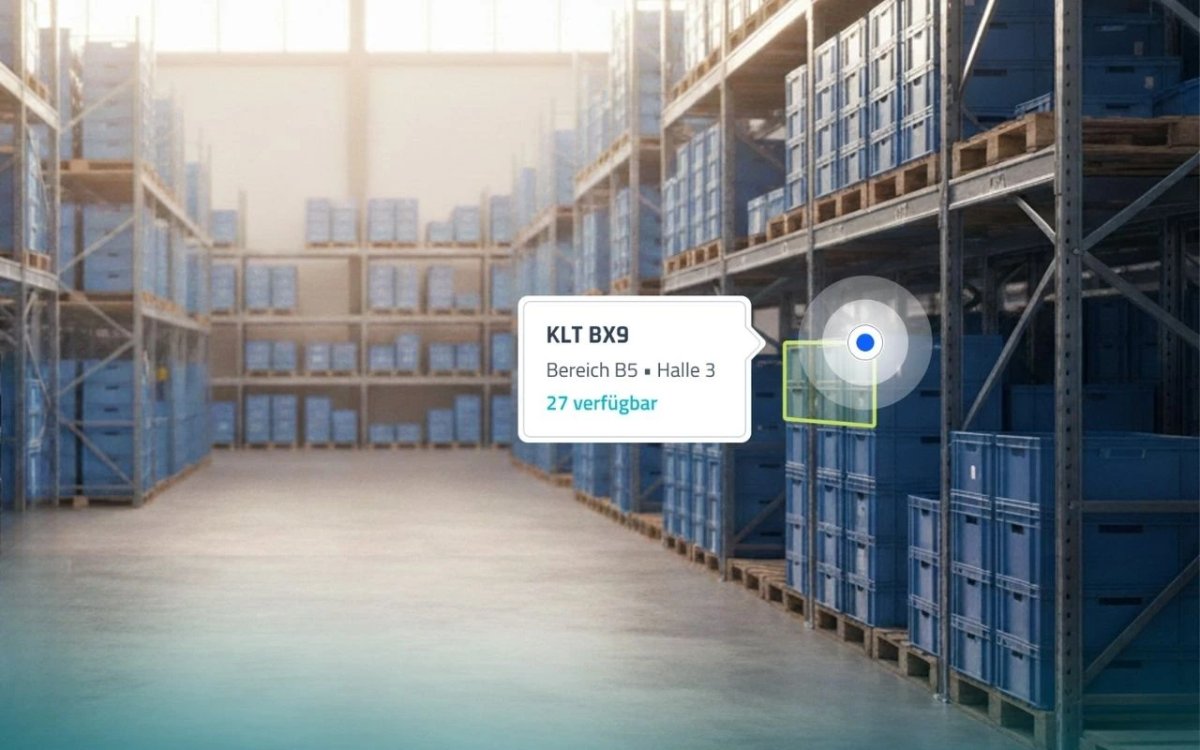
Digital Container Management 4.0: The Partnership of SmartMakers and LOGSOL
Monitor containers more efficiently ✓ digitally connected load carriers ✓ reduce costs through container management 4.0 ✓ Read the article now!
Optimizing Port Operations: Best Practices for Increasing Throughput and Reducing Costs
Maximize the efficiency of your port logistics in 2026: Discover how IoT solutions increase throughput, reduce costs, and enable predictive maintenance.

Data That Moves - Interview with Sebastian Stute
Learn how SmartMakers automates and simplifies production and logistics processes with IoT tracking and real-time data.