How IoT Enhances Logistics and Supply Chain Risk Management
Learn how IoT optimizes risk management in logistics and supply chains to protect your business operations. Act now!

Forecasts for the field of technology-intensive applications paint a picture where the Internet of Things (IoT) redefines supply chain risk management through a comprehensive system overhaul. This revolution will radically change the current capabilities of the industry, transforming the ecosystem into a hyper-connected and intelligent infrastructure. With continuous technological advancement, the number of connected devices will rise exponentially. From sensors in packages to AI-driven delivery drones and autonomous vehicles, these devices will form a complex network of data streams. A network that functions like a well-orchestrated symphony, playing a logistical melody conducted by real-time insights and predictive analytics. The integration of IoT technologies has ushered in a new era of innovation in logistics and supply chain management.
This article is dedicated to the transformative role of IoT in enhancing supply chain risk management. By leveraging the capabilities of IoT, stakeholders can now deploy performance-enhanced, adaptable solutions and refined tools. These instruments aim to minimize risks, increase operational efficiency, and create a more resilient and agile supply chain network.

Understanding IoT and the Need for Risk Management
In the context of logistics and supply chains, the Internet of Things (IoT) represents a groundbreaking technological paradigm shift. It is expected to serve as a key technology and could be comparable in its impact on the industry to other turning points, such as the Industrial Revolution. An industry characterized by seamless connectivity and data-driven decision-making will become the standard of the future. The importance of risk management in the supply chain sectors is of immense significance. In the following sections, we will further explore this topic and highlight the connection between IoT and risk management to show how this synergy leads to innovative solutions to mitigate risks and strengthen the integrity of supply chains.
Innovative IoT Applications
- Smart containers and solutions for supply chain risk management: Monitoring location, temperature, humidity, and environmental factors ensures optimal conditions for sensitive goods.
- Connected trucks: Monitoring fuel consumption, engine performance, and driver behavior enhances both efficiency and safety within the logistics chain.
- Smart warehouses: Automation and sensor-based tracking optimize inventory management, automate tasks, and maximize space utilization.
- Predictive maintenance systems: By monitoring the condition of equipment and predicting failures, these systems proactively prevent downtime and costly repairs.
The Role of IoT in Enhancing Supply Chain Risk Management
Supply chain risk management encompasses strategies for identifying, assessing, and mitigating risks. It aims to detect threats and disruptions that could impact the flow of goods and services—both external, such as weather and unforeseen events, and internal, arising from inefficiencies or undiscovered liability risks within the organization.
Effective supply chain risk management focuses on key components and objectives such as resilience, agility, and contingency planning. Common risks in this sector encompass a wide range of areas, including delivery delays, demand fluctuations, natural disasters, and cybersecurity threats.
With the help of IoT solutions, industries working with or managing supply chains unlock new opportunities. These include predictive algorithms, big data, and AI-powered software, which have the potential to significantly transform the sector.
Let's explore some of the ways IoT can support your supply chain risk management strategies.
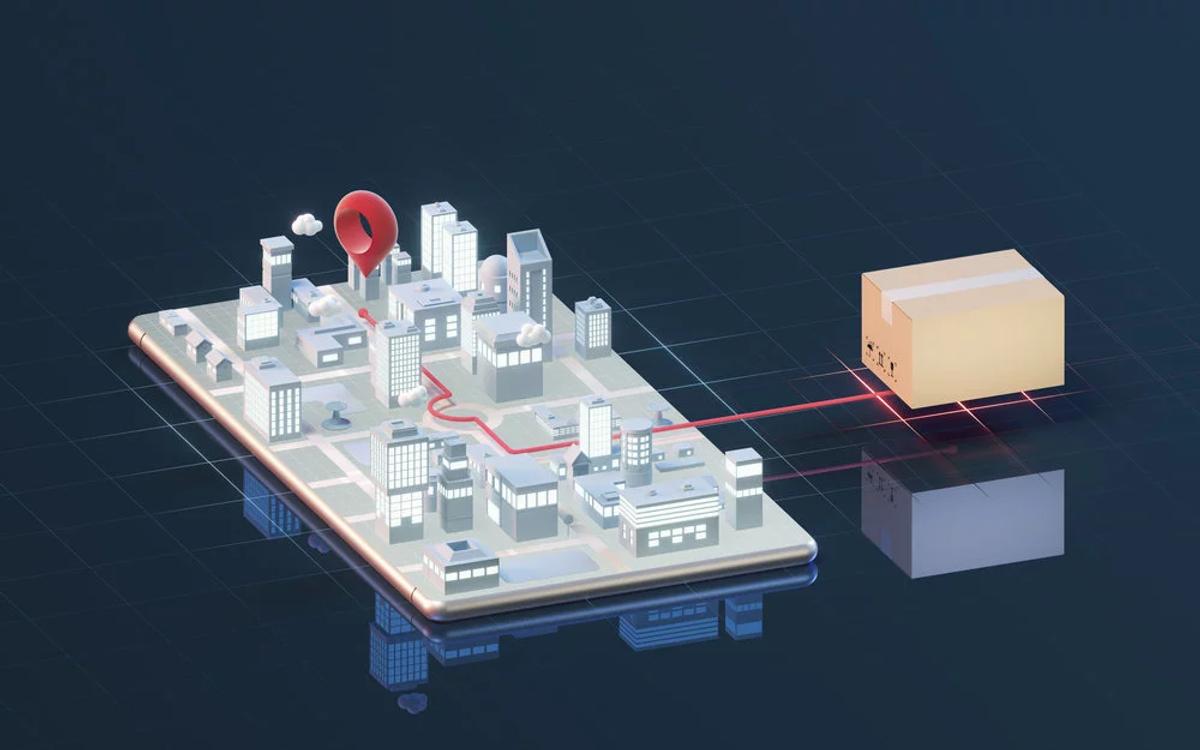
Enhanced Visibility and Efficiency through IoT
The seamless integration of IoT technologies brings a comprehensive range of tools—both at the software and hardware level—that can sustainably strengthen your supply chain operations. These tools significantly contribute to optimizing transparency and efficiency in the logistical network.
Real-Time Tracking
Sensors and RFID tags play a crucial role in this context. They provide immediate location and condition data of goods along the supply chain. By skillfully deploying these technologies, the industry pursues a proactive approach that enables early detection and addressing of potential disruptions or delays.
Predictive Analytics and IoT Risk Assessment
By combining historical and real-time data analysis, patterns are identified and potential risks are accurately predicted. IoT devices, connected with AI-powered software, open up virtually unlimited possibilities. This predictive approach to risk management enables the implementation of strategies to mitigate risks before they escalate.
Efficiency Optimization
IoT solutions optimize logistical processes and lead to even more efficient operations.
Route Optimization
The use of real-time traffic and weather data enables dynamic route planning and immediate corrective actions. This ultimately reduces transportation costs and delivery times, allowing for a more sustainable and environmentally friendly approach to your fleet's carbon footprint.
Route Optimization
Continuous monitoring of device health through sensors facilitates preventive maintenance. You no longer have to wait for a failure—instead, you can plan when to address a complication before it becomes a larger issue. This capability not only minimizes downtime and operational disruptions but also reduces repair costs.
Predictive Maintenance and IoT Risk Management
Continuous monitoring of device health through sensors facilitates preventive maintenance. You no longer have to wait for a failure—instead, you can plan when to address a problem before it becomes a larger issue. This capability not only minimizes downtime and operational disruptions but also reduces repair costs.
Enhancing Security and Reducing Costs
A major advantage of integrating IoT solutions into risk management is that these solutions act as guardians for your goods. IoT implementations complement existing security measures and contribute to cost reduction within the supply chain network.
Real-Time Monitoring
Sensors and cameras contribute to continuous monitoring, significantly reducing the risk of unauthorized access, theft, or damage to goods. This not only helps minimize losses but also supports maintaining inventory at an optimal level.
Data Encryption and IoT Risk Management Tools
The introduction of IoT data encryption protects essential information and significantly mitigates cyber threats. According to the FBI, the average cost of a cybersecurity incident for a company is over 4 million dollars. This sum includes both remediation costs and financial loss due to operational downtime, not to mention the damage to reputation and brand. By deploying IoT in conjunction with additional security measures, you can effectively safeguard your business against such risks.
Customer-Oriented Solutions and Transparency
The impact of IoT extends far beyond the operational realm, enhancing the customer experience and transparency. It significantly contributes to presenting your brand to the public and demonstrates how you respond to your customers' needs.
More Accurate Delivery Forecasts
Real-time tracking provides customers with highly accurate delivery forecasts, increasing satisfaction and strengthening trust in the supply chain.
Increased Responsiveness
Early identification of potential disruptions enables faster solutions and minimizes negative impacts on customer expectations.
Sustainability
In today's world, consumers increasingly value companies they are loyal to acting sustainably. One of the primary demands is therefore the implementation of sustainable practices. The future of IoT risk management in logistics goes beyond mere efficiency improvements and is seen as a cornerstone for promoting sustainable operations. By leveraging IoT in logistics, the path for environmentally friendly operations is paved by reducing fuel consumption through route optimization, minimizing CO2 emissions, and reducing waste through precise inventory management.
Future Trends and the Evolution of IoT in Risk Management
The development of IoT is poised to revolutionize the paradigms of supply chain risk management and will usher in a new era of innovation and resilience.
Several emerging trends in IoT for supply chain risk management are emerging as we forecast the evolution within this field:
- Advancements in Predictive Analytics: Among the developments in IoT risk assessment, predictive analytics stands out. Advanced algorithms and AI technology will utilize real-time data to predict potential disruptions with greater accuracy.
- AI-Driven Risk Assessment: The integration of Artificial Intelligence - AI - enables more nuanced solutions in risk management. AI algorithms sift through vast datasets, identify complex patterns, and anticipate risks—thereby refining decision-making processes.
- Blockchain Integration for Enhanced Traceability: Blockchain technology ensures immutable records and transparent transactions. Integrated into supply chain risk management solutions, it strengthens traceability, minimizes the impact of counterfeit products, and increases overall security.
- Development of Cybersecurity Measures: Given the increasing connectivity in logistics networks, IoT risk management tools will focus on strengthening cybersecurity measures. Continuous improvements in encryption and intrusion detection systems are crucial to protect sensitive data and fend off cyber threats.
- Integration of IoT with Big Data: The combination of IoT and Big Data allows for comprehensive insights. Utilizing extensive datasets from connected devices fosters a deeper understanding of risks and enables proactive risk mitigation strategies.
- Focus on Sustainability and Environmental Risks: IoT applications are expected to increasingly consider sustainability aspects. Monitoring environmental factors, carbon footprints, and ethical sourcing will become an integral part of supply chain risk management and align with global sustainability goals.
The evolution of IoT in supply chain risk management underscores the importance of technological advancement as the foundation of robust risk mitigation strategies. By embracing these trends, companies are able to avoid or better tackle future challenges, thereby laying the foundation for a resilient supply chain.