Increasing Supply Chain Transparency with IoT: A Paradigm Shift in Operational Monitoring
Revolutionary transparency in the supply chain with IoT: A look at the new standard for operational efficiency. Read now!

In the complex landscape of supply chains, with numerous obstacles, diverse paths, and countless dead ends, IoT technologies - Internet of Things - have rapidly become a game-changer in operational monitoring.
The main goal of this article is to provide stakeholders with insights and demonstrate how this technology can transform the supply chain. Through IoT transparency solutions to improve supply chain visibility and ultimately provide actionable insights.
The importance of supply chain transparency in the modern business environment
Supply chain transparency, also known as Supply Chain Visibility (SCV), forms a fundamental pillar of contemporary business strategies and acts as an indispensable compass for navigating the complexities of global supply chains.
In the current era, characterized by deep connectivity, marketplaces are closely intertwined. Within this complex ecosystem, SCV has established itself as a central pivot for companies aiming to optimize their operations, minimize risks, and ensure an excellent customer experience.
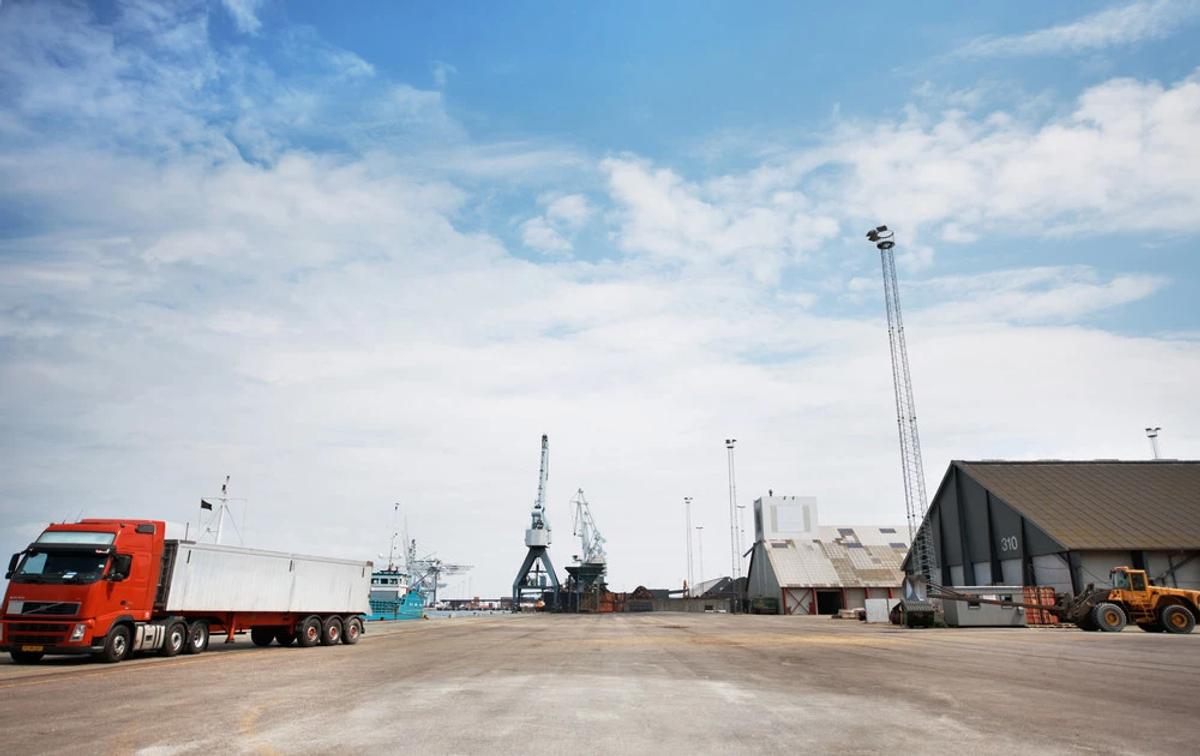
The essential function of SCV is to provide a comprehensive real-time overview of the flow of goods, inventory levels, and the status of processes at various touchpoints along the supply chain.
SCV provides crucial data on key points and steps in inventory management. For example, it enables precise tracking of food transports - from their current location to the condition of their refrigeration and beyond.
At its core, SCV grants companies actionable insights and empowers them to make agile decisions and take proactive actions. Through real-time transparency regarding inventory levels, companies can avoid stockouts or overstocking.
This results in an optimal balance, reflected in reduced costs and increased efficiency. Enhanced SCV enables companies to identify potential bottlenecks or disruptions early before they escalate, thus promoting resilience to ensure uninterrupted operations.
Nevertheless, it is important to emphasize that traditional approaches to SCV often reach their limits when it comes to providing the agility and immediacy demanded by the ever-evolving supply chain landscape. This challenge has brought about the need for an industry-wide paradigm shift.
The vision of what could be possible already exists, but the adequate tools for implementation have been lacking until now. Thanks to digitalization, companies are now able to leverage innovative solutions like the Internet of Things (IoT) to overcome these boundaries and achieve a higher level of visibility and operational control.
Statistics on the impact of IoT on supply chain transparency
- Companies that rely on IoT technologies in their supply chains report a remarkable 20% reduction in disruptions.
- Furthermore, a 15% reduction in inventory costs has been observed in companies that have integrated IoT into their supply chains.
- Last but not least, there is a pleasing 10% increase in customer satisfaction in companies that leverage the potentials of IoT in their supply chains.
Understanding IoT in the context of supply chain transparency
The fundamental importance of the Internet of Things in the context of supply chain transparency is highlighted by the current connectivity of our world, both on a micro and macroeconomic level. From the smart functions of our wearables that capture health data to global markets and predictive algorithms - IoT permeates all levels of modern life and business.
Your smartphone is a treasure trove of data, your Roomba collects comprehensive information about your cleaning habits and the architecture of your home, while robotics in production facilities generate terabytes of data on product quality, shipping rates, and other key factors.
In supply chain transparency, IoT-enabled systems act as a catalyst, reshaping the landscape through innovative capabilities and elevating operational oversight to a new level:
Real-time tracking
IoT-enabled sensors and devices allow meticulous tracking of goods throughout the supply chain. By communicating over 5G or 4G networks, GPS sensors and microchips provide precise insights into the movement and status of products, enabling unprecedented visibility from production to delivery.
Monitoring critical cargo conditions
The strength of IoT also extends to monitoring critical cargo conditions such as temperature and humidity. IoT-driven chips, connected to hardware like temperature sensors, enable precise tracking of your products' health and ensure optimal environmental conditions during transport. In this way, IoT protects the integrity and quality of perishable or sensitive goods and minimizes potential losses.
Optimizations in asset and fleet management
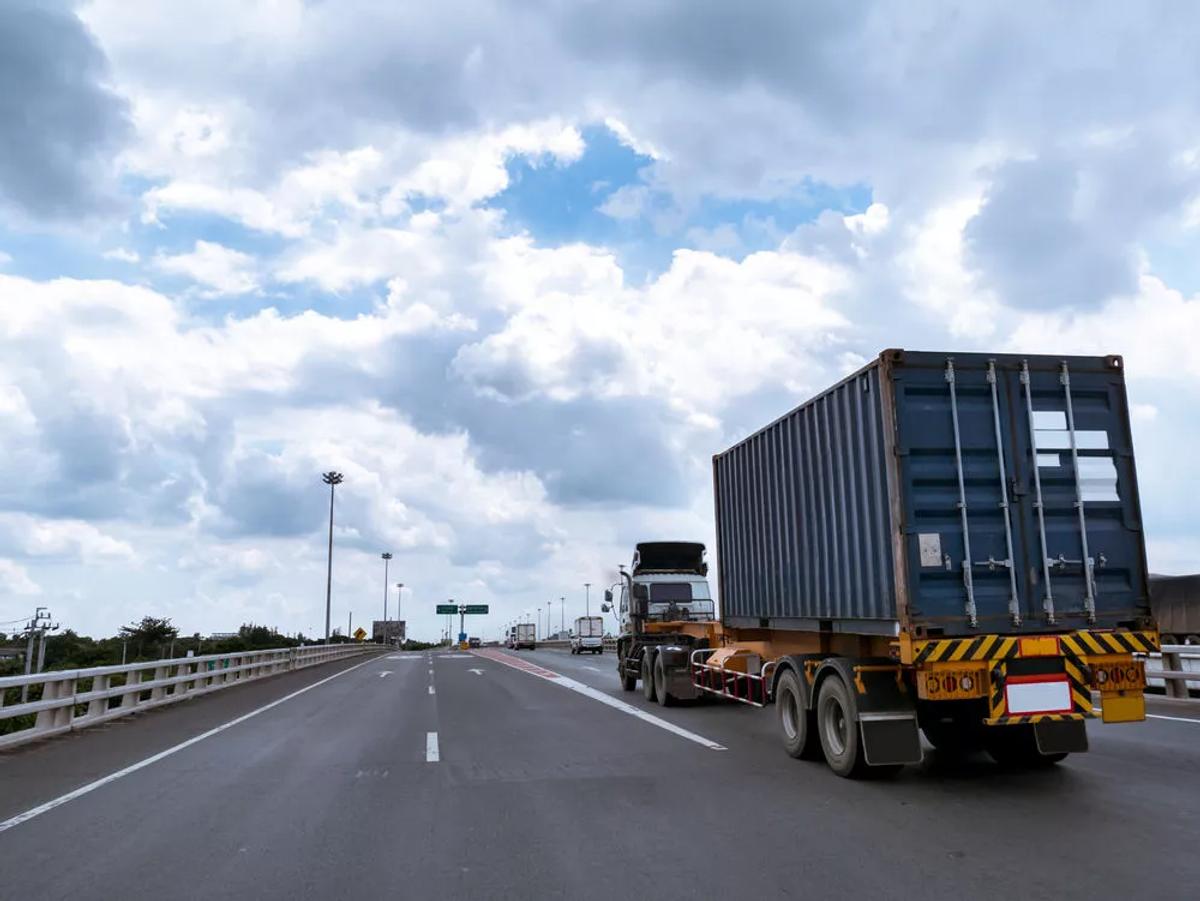
By deploying IoT transparency devices, companies embark on a transformative journey that enables efficient use of their resources. A deep understanding of the need to strategically plan all necessary "pit stops" or maintenance tasks forms the foundation. IoT-driven asset and fleet management initiatives optimize not only the utilization and maintenance of resources but also increase operational efficiency and minimize downtime.
Predictive maintenance and uninterrupted operation
The predictive maintenance capability of the IoT-supported supply chain proves to be an effective safeguard against equipment downtime. By intelligently utilizing IoT data insights, companies can identify potential issues early before they develop into serious disruptions. This enables the implementation of proactive maintenance measures that ensure uninterrupted operation.
This capability is undoubtedly one of the most disruptive and valuable assets of the modern business world – Big Data Analytics. With the appropriate application of AI and sophisticated algorithms, companies can efficiently control the inherent chaos in complex systems and predict what was once considered unpredictable.
Accurate demand forecasting
The comprehensive data treasure of the Internet of Things (IoT) significantly contributes to accurate demand forecasts, providing companies with insights and greatly enhancing accuracy in inventory management. This sophisticated precision allows firms to harmoniously align supply and demand, which in turn minimizes excess inventory or stockouts.
Whether at Christmas, Black Friday, or Valentine's Day - companies can not only predict months in advance what inventory they will need for a specific product but also determine exactly which products are in high demand based on sales figures. This forecasting capability is further developed and refined year after year.
Dynamic rerouting and optimization
By integrating real-time traffic and weather data through IoT transparency solutions, companies can dynamically reroute shipments. This adaptive approach significantly reduces delays and optimizes delivery times. The result is timely and efficient deliveries while simultaneously reducing costs, such as fuel, as traffic is predicted and drivers can be rerouted to more energy-efficient routes.
Automated responses to supply chain disruptions
The agility of IoT manifests in automated responses to supply chain disruptions. By streamlining responses through automated protocols, companies minimize the impact of unforeseen events and ensure rapid solutions.
Synergy between IoT and Blockchain
The combination of IoT transparency solutions and Blockchain enhances transparency and security along the entire supply chain. This synergistic connection promotes an immutable ledger that ensures the traceability and authenticity of every transaction and movement within the supply chain network.
The future has already begun
The future is already here, and the available statistical data clearly confirms the transformative impact of the Internet of Things (IoT) on supply chain transparency. Various independent sources unanimously reflect the tangible benefits that companies gain through the implementation of IoT solutions. The fusion of IoT technologies with supply chain transparency has opened the gates and ushered in a new era of operational excellence.
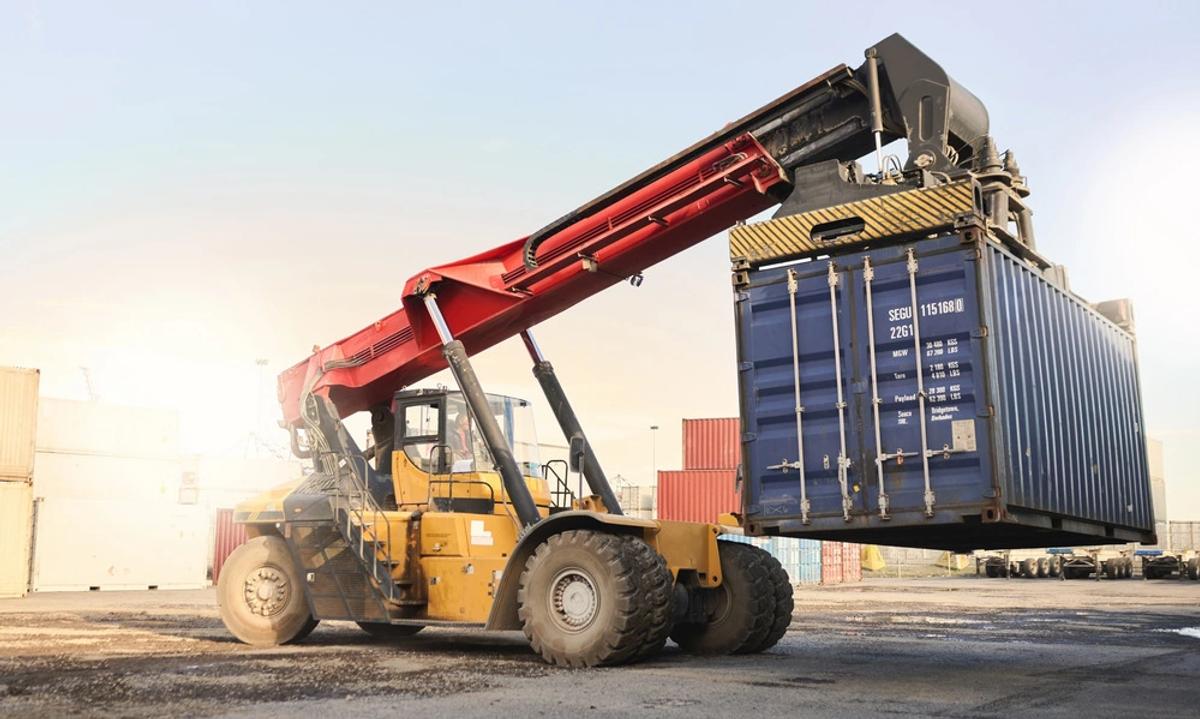
IoT has already proven its effectiveness by reducing supply chain disruptions by 20%, lowering inventory costs by 15%, and increasing customer satisfaction by 10%. Yet its potential extends beyond these immediate benefits and stands ready to shape the future of supply chain management in profound ways.
The coming years promise even greater innovations. The proliferation of IoT-enabled devices and sensors will continue to expand, creating a robust ecosystem where connectivity becomes ubiquitous. Smart devices, interconnected through IoT networks, will revolutionize supply chain operations and enable autonomously operating, self-optimizing systems that anticipate and respond to changes in real-time.
As IoT matures, companies are able to leverage its advancements to strengthen their supply chain operations, promote resilience, drive innovation, and ultimately gain a competitive advantage in an ever-evolving global marketplace.