How AI Transforms the Supply Chain – and Real-Time Data is a Key Component.
Artificial Intelligence revolutionizes the supply chain – but it only unfolds its full potential through real-time data.
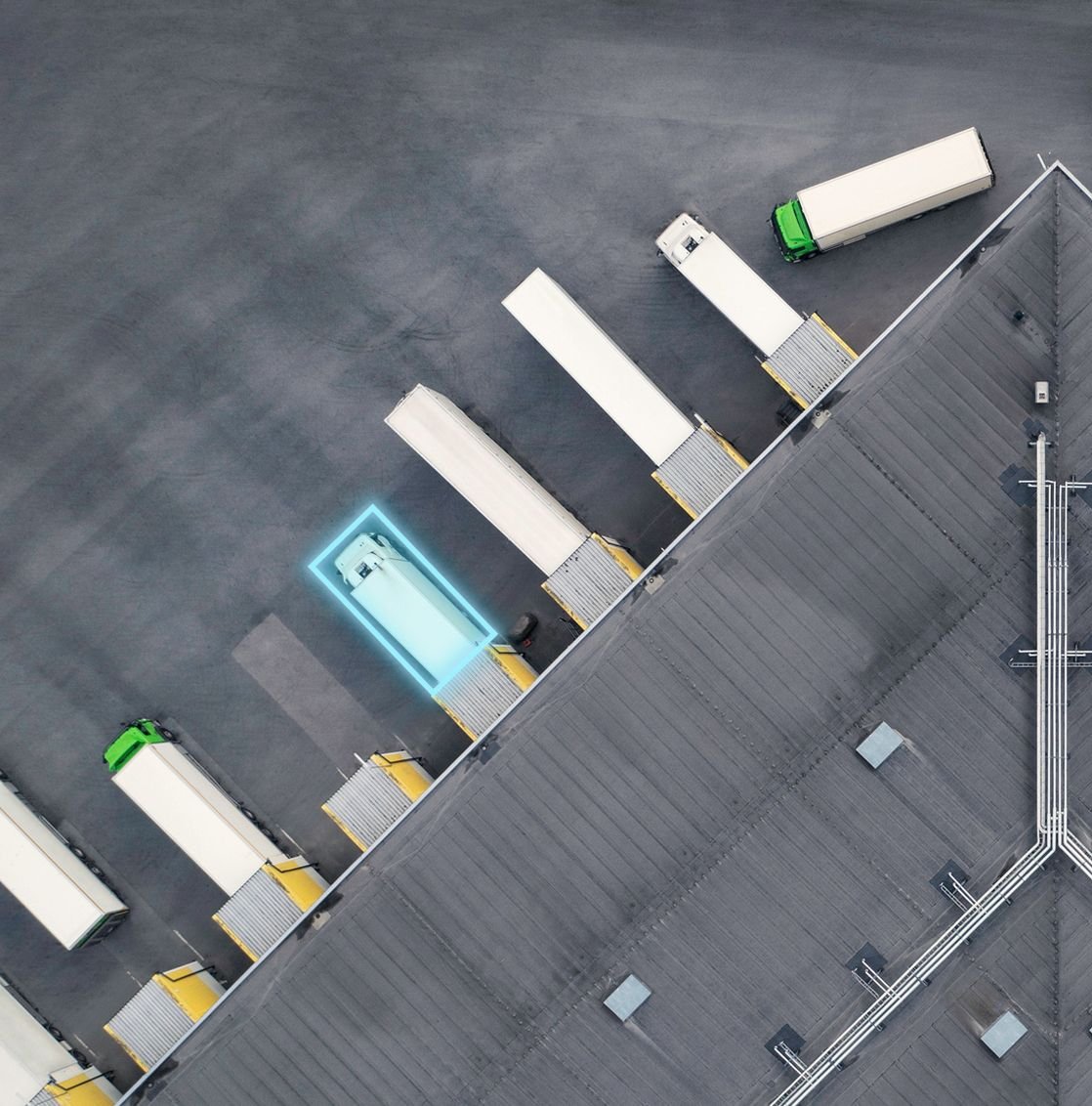
The ongoing digitalization and technological change have revolutionized the world of supply chain and logistics. In this context, Artificial Intelligence (AI) plays a central role. However, a crucial foundation for many AI applications, especially Generative AI (GenAI), is real-time data generated by IoT track-and-trace devices. Without IoT, the full potential of GenAI would not be realizable. From demand forecasting to route optimization, AI provides companies with tools to increase efficiency, reduce costs, and enhance the resilience of their supply chains. In this article, we explore the diverse applications of AI, its benefits, and challenges.
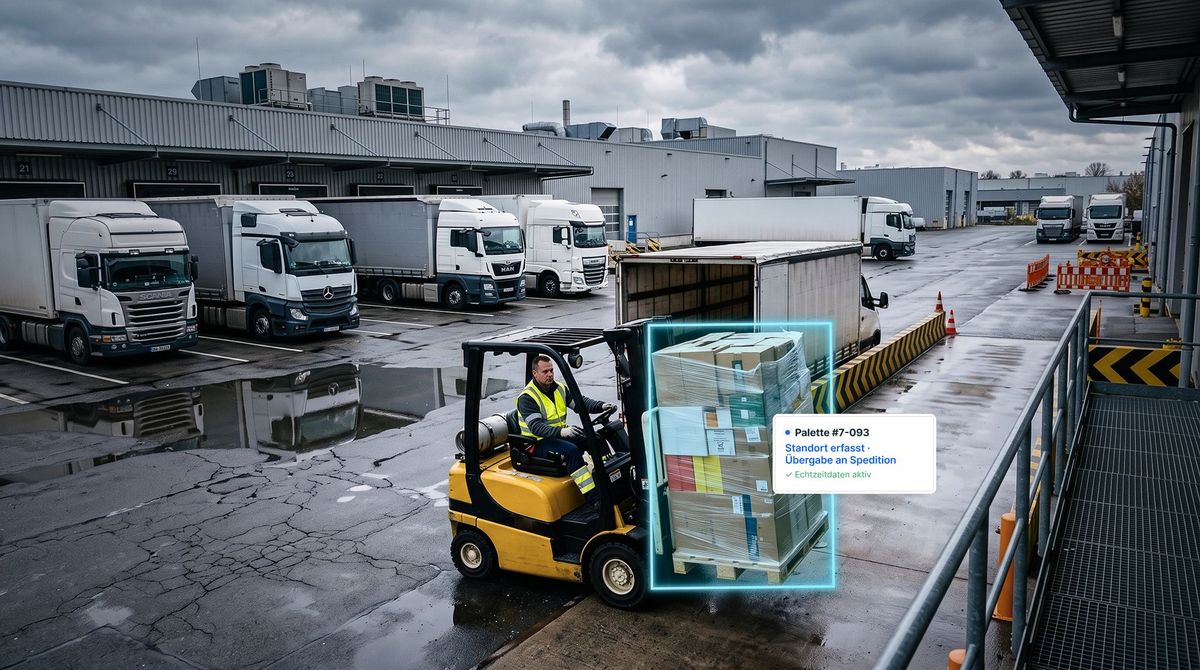
Why AI in Supply Chain and Logistics?
The supply chain is a complex network that encompasses the flow of goods and information between various actors. Global events such as the COVID-19 pandemic, geopolitical tensions, and natural disasters have shown how vulnerable supply chains are to disruptions. According to a study by Accenture, such disruptions could cost European economies around 920 billion euros by 2023.
IoT track-and-trace devices play an essential role by continuously providing real-time data on the location, condition, and movement of goods. This data forms the basis for AI applications that help companies make their supply chains more flexible, transparent, and sustainable. Technologies such as Machine Learning (ML), Predictive Analytics, and Generative AI enable the analysis of these vast amounts of data, automate processes, and make informed decisions in real-time.
Use Cases of AI in the Supply Chain
Demand Forecasting
Predictive Analytics, a key AI technology, is used to predict future market demands. Here, the real-time data captured by IoT devices on inventory levels, deliveries, and customer behavior is essential. By analyzing this data, combined with historical sales data and external factors such as weather conditions or political events, companies can create more accurate forecasts. An example is PepsiCo, which uses AI to predict demand for seasonal products and thus avoid overproduction.
Inventory Management
Real-time inventory monitoring is indispensable today. IoT track-and-trace systems continuously capture data on inventory levels and their movement. This data is analyzed by AI systems that work with technologies such as RFID and IoT sensors to ensure precise tracking. These systems can trigger automatic reorders when stocks fall below a certain threshold, helping to avoid supply shortages.
Process Automation
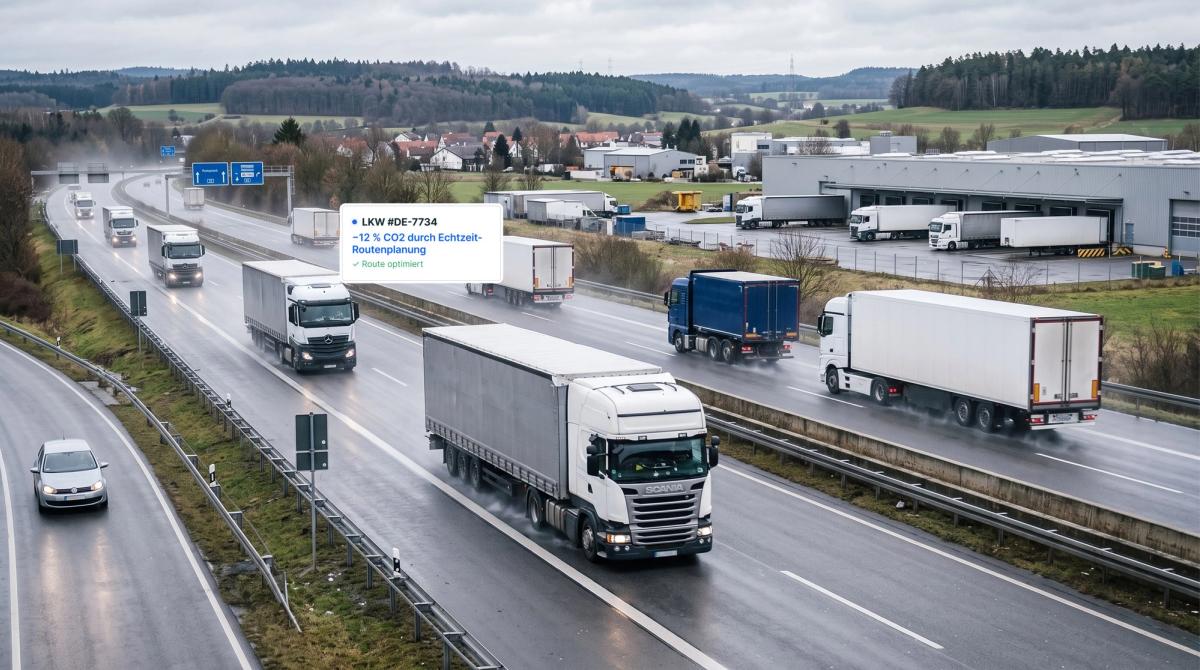
From warehouse management to route optimization, AI-powered systems can automate routine tasks. IoT devices provide real-time data on traffic conditions, weather, and goods locations, which AI uses to calculate optimal routes in real-time. This can reduce fuel costs and shorten delivery times. Companies like Amazon also use robots connected with IoT data to pick and pack goods more efficiently.
Sustainability
Sustainability is increasingly becoming a competitive advantage. IoT devices capture environmental data such as energy consumption and emissions, which AI analyzes to make processes more sustainable. Generative AI also enables the selection of suppliers who apply sustainable practices and optimizes transport routes to reduce CO2 emissions.
Benefits of AI Integration
The use of AI in the supply chain, supported by IoT data, offers numerous benefits:
- Efficiency Increase: Automation reduces manual work processes and accelerates operations.
- Cost Reduction: Optimized inventory levels and transport routes lower operational costs.
- Risk Management: Predictive Analytics identifies potential risks and offers preventive solutions.
- Transparency: Real-time data from IoT devices enables end-to-end visibility and helps identify bottlenecks early.
- Customer Satisfaction: Faster deliveries and personalized services improve customer loyalty.
Challenges in Implementation
Despite the many benefits, companies face challenges:
- Data Quality: Inaccurate or incomplete data, often also from IoT devices, can impair the effectiveness of AI systems.
- Costs: The integration of IoT and AI requires significant investments in infrastructure and training.
- Ethics and Data Protection: Responsible handling of sensitive data is crucial.
- Change Management: Resistance to new technologies can delay acceptance.
Generative AI: Future or Hype?
Generative AI takes the possibilities of AI to a new level. It can not only analyze data but also generate new content, such as alternative production designs or optimization strategies. However, its effectiveness heavily depends on the quality and availability of real-time data generated by IoT devices. An example is the use of GenAI in contract negotiation, where automated systems can negotiate better terms. Despite its potential, GenAI is still in its infancy, and its widespread application is expected in the coming years.
Conclusion and Outlook
Artificial Intelligence is fundamentally transforming the supply chain and logistics. However, this transformation would not be possible without the real-time data generated by IoT devices. This data is the foundation on which AI unleashes its full capabilities—from increasing efficiency and reducing costs to enhancing resilience and sustainability. As technology continues to advance, companies must strategically address challenges to fully leverage the potential of AI.
The future of the supply chain is digital, and AI will play a key role in it. Companies that invest early in these technologies and pursue a clear strategy can secure a decisive competitive advantage in the long term.
Leverage the potential of AI and make your supply chain smart.
Read on
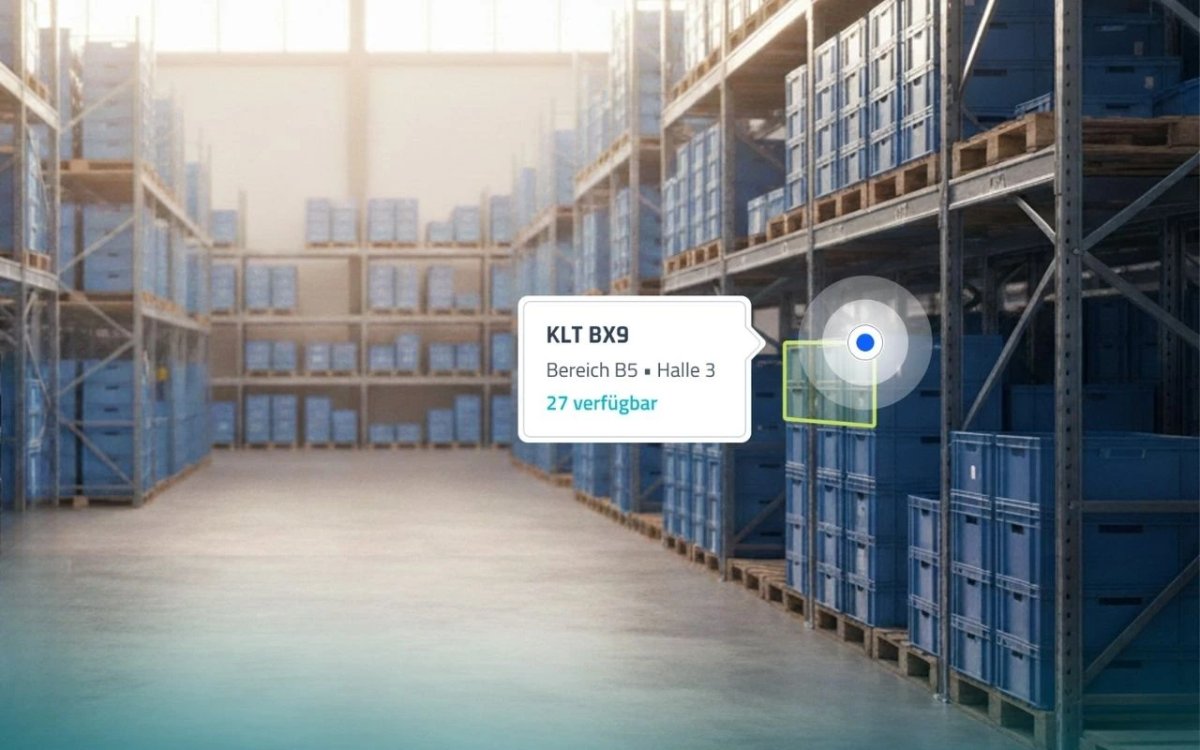
Digital Container Management 4.0: The Partnership of SmartMakers and LOGSOL
Monitor containers more efficiently ✓ digitally connected load carriers ✓ reduce costs through container management 4.0 ✓ Read the article now!
Optimizing Port Operations: Best Practices for Increasing Throughput and Reducing Costs
Maximize the efficiency of your port logistics in 2026: Discover how IoT solutions increase throughput, reduce costs, and enable predictive maintenance.

Data That Moves - Interview with Sebastian Stute
Learn how SmartMakers automates and simplifies production and logistics processes with IoT tracking and real-time data.