End-To-End IoT Solutions for Reducing Operating Costs
Optimize your operating costs with our end-to-end IoT solutions. Learn how we can help you. Contact us today!
Introduction
In the current business environment and with increasing competitive pressure, it is important to stay up-to-date with Asset Tracking. Internet of Things (IoT) enables monitoring the efficiency of assets in a company in an unprecedented way. End-To-End IoT solutions for Asset Tracking can contribute to reducing operating costs in many ways.
Resources can be used more efficiently by improving asset utilization, leading to a significant reduction in downtime and increased productivity. Inventory management can be monitored more precisely, maintenance is simplified, and energy can be used optimally. All of this also contributes to improved coordination in the supply chain. In the next section, we will discuss all the benefits in detail.
Overview of End-To-End IoT for Asset Tracking
Here are the five ways to reduce operating costs with the help of the Internet of Things:
Option 1: Improving Asset Utilization
Data analysis can identify patterns in asset usage. This way, over- or underutilization of certain resources can be identified, and appropriate adjustments can be made to achieve more balanced utilization in operations. An example of this is the tracking of vehicle fleets, which enables optimized route planning and thus leads to a reduction in fuel consumption and maintenance costs.
The data collected through IoT tracking provides a solid foundation for strategic decisions regarding asset utilization. Companies can plan more precisely where and when investments in new equipment are necessary, based on the actual usage and performance of existing assets.
Option 2: Optimizing Inventory Management through a Secure End-To-End IoT Solution
The optimization of inventory management through a secure end-to-end IoT solution represents another crucial step in reducing operating costs. The use of this technology enables companies to manage their inventories more efficiently and thus reduce costs. With the help of IoT tracking, inventories can be recorded precisely and automatically. Sensors ensure in real-time that inventory data is always up-to-date. Additionally, IoT enables dynamic monitoring of inventory levels, allowing companies to react faster and avoid stockouts.
Efficient inventory management naturally also leads to lower storage costs, as inventories can be reduced to the smallest possible level. Through IoT Asset Tracking, the entire supply chain becomes more transparent, and you always have an overview of where your products are and where they are being moved. Delays and bottlenecks become less likely.
Option 3: Preventive Maintenance and Reduction of Downtime
The implementation of end-to-end IoT Asset Tracking solutions shows particularly effective results in the implementation of maintenance strategies. This approach encompasses several key aspects, with sensors continuously monitoring the operational status of machines and equipment.
The analysis of this data allows for early detection of potential problems before serious failures occur. Additionally, the collected data enables the optimization of maintenance schedules. Maintenance intervals can now be set based on real usage and wear data, which is far more effective than estimates or fixed schedules.
Option 4: Efficient Energy Use through IoT
An end-to-end IoT solution enables a detailed analysis of usage behavior, on the basis of which settings can be adjusted. During periods of low utilization, energy is specifically saved.
By networking devices and systems, energy-saving measures can be automated. A concrete example of this would be the automatic adjustment of lighting and heating of rooms based on the presence of employees and current environmental conditions.
Option 5: Improved Supply Chain Coordination
The supply chain benefits overall from IoT through improved coordination, as information can be exchanged in real-time with customers and suppliers. This leads to smoother collaboration. IoT sensors can be used to monitor environmental conditions such as humidity or temperature to ensure that products are always stored and transported optimally. This reduces the likelihood of losses and damage to goods, thus contributing to cost savings.
Factors in Choosing an End-To-End IoT Solution
When selecting the right end-to-end IoT solution, various key factors should be carefully examined to ensure that it meets your company's requirements. The most important factors are listed below:
- Scalability:
- Data Analysis:
- Compatibility:
- Security:
- Cost:
- Customer Service:
- Energy Efficiency:
- Expandability:
Conclusion on End-To-End IoT Platforms for Reducing Operating Costs
The cumulative effects of cost reduction strategies through end-to-end IoT platforms can have a significant impact on your company's overall results. Not only are direct costs reduced, but there are also benefits in the form of increased productivity, higher customer satisfaction, and improved market positioning.
It is therefore advisable to review your current Asset Tracking systems and consider integrating end-to-end IoT solutions. Now is the right time to set the course for a future-oriented solution.
The use of end-to-end IoT solutions for Asset Tracking offers numerous advantages, from optimizing asset utilization to improved supply chain coordination. By implementing such technologies, companies can significantly reduce their operating costs, make their processes more efficient, and strengthen their competitiveness.
When choosing the right IoT solution, it is important to consider factors such as scalability, data analysis, compatibility, security, cost, customer service, energy efficiency, and expandability. A carefully selected and implemented IoT solution can have long-term positive effects on your company by contributing to cost reductions and more efficient resource utilization.
Read on
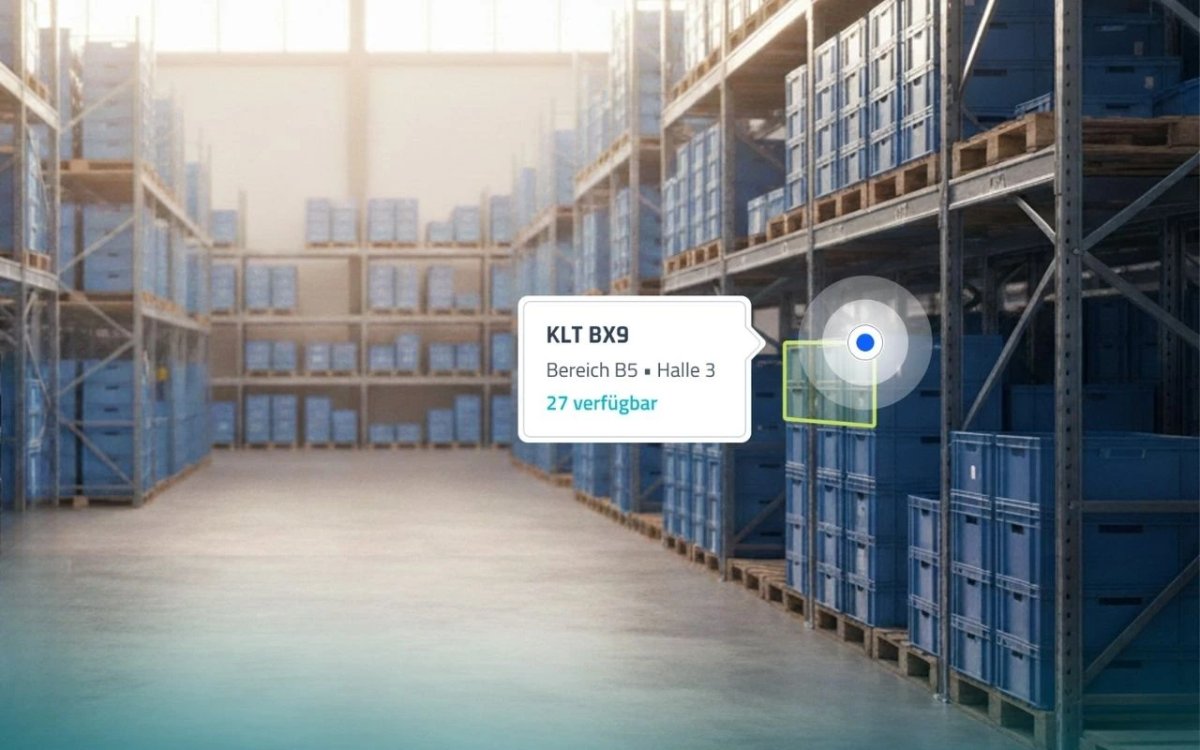
Digital Container Management 4.0: The Partnership of SmartMakers and LOGSOL
Monitor containers more efficiently ✓ digitally connected load carriers ✓ reduce costs through container management 4.0 ✓ Read the article now!
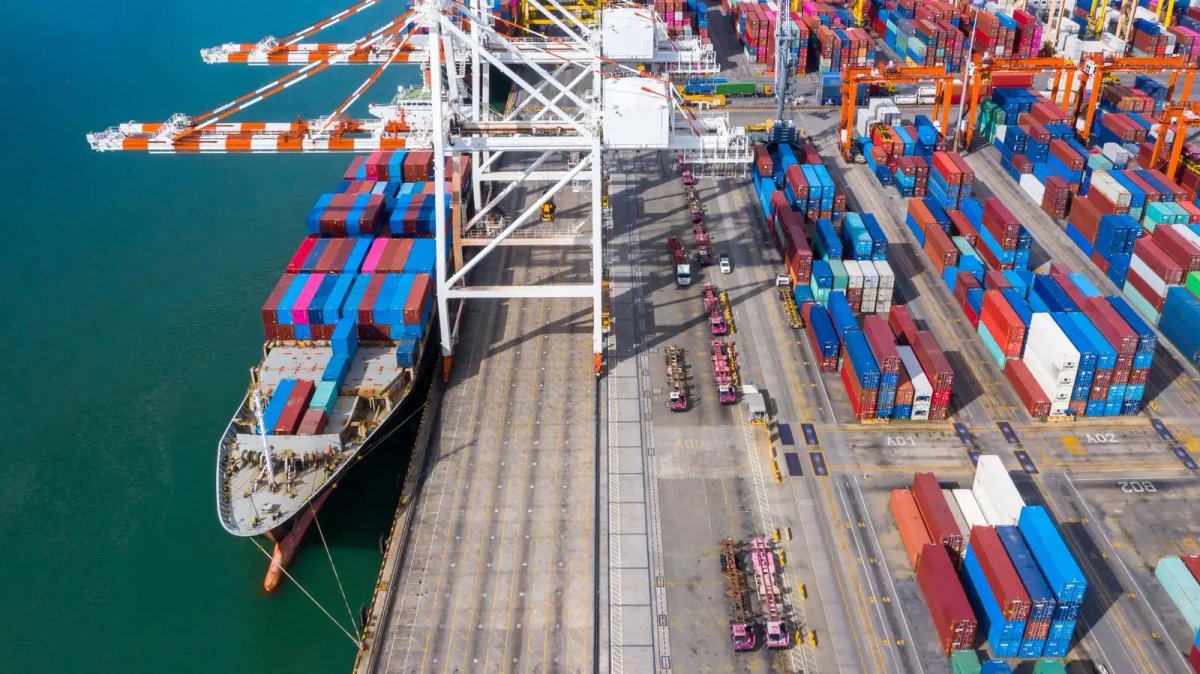
Optimizing Port Operations: Best Practices for Increasing Throughput and Reducing Costs
Maximize the efficiency of your port logistics in 2026: Discover how IoT solutions increase throughput, reduce costs, and enable predictive maintenance.

Data That Moves - Interview with Sebastian Stute
Learn how SmartMakers automates and simplifies production and logistics processes with IoT tracking and real-time data.