Addressing Inefficiencies: How Data-Driven Logistics Enables Seamless Operations
Optimize your logistics with data-driven solutions. Create seamless processes and increase your company's efficiency.
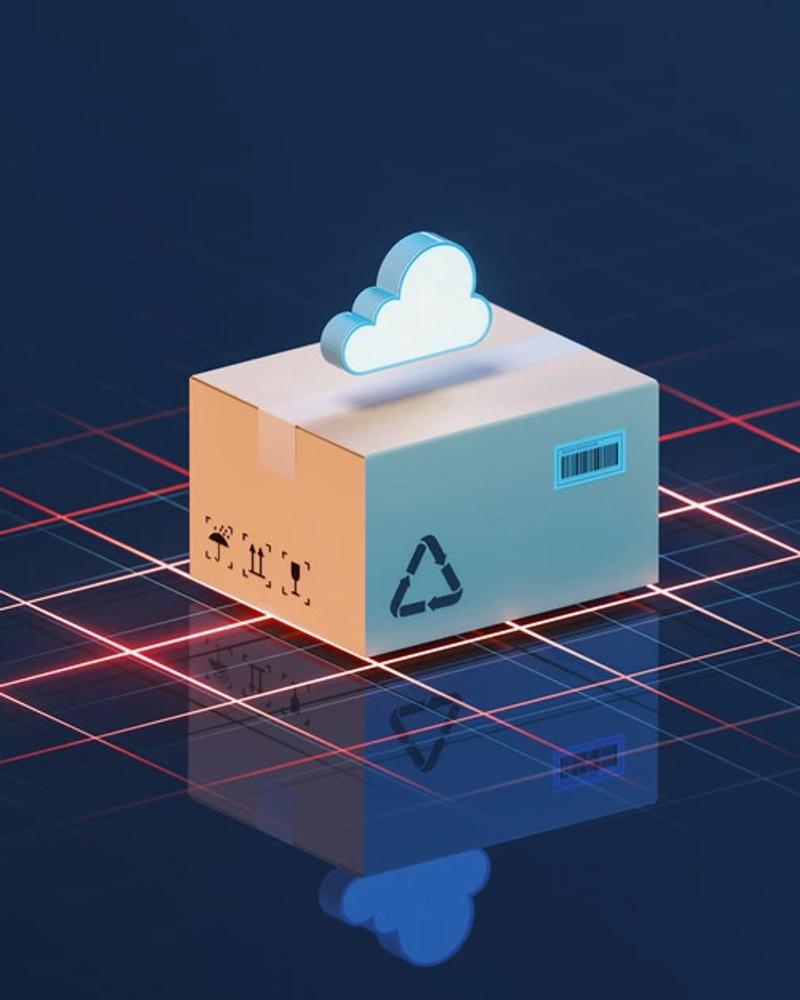
It's a world of "eat or be eaten" – an extremely competitive business world that almost resembles Mad Max Thunderdome. Everyone is on their toes, waiting and doing their best to integrate the latest technology, the latest practices, and the next BIG THING into their systems and operational parameters. And right now, the integration of data analytics into logistics has proven to be a crucial strategy for gaining a competitive edge.
The aim of this article is to highlight the transformative potential of using data in logistical processes. We delve deep into the issues, challenges, and statistics. In the modern world, companies are increasingly seeking IoT solutions for data analysis in transport to strengthen their supply chain – to increase their visibility, enhance operational efficiency at all logistical stages, and conserve valuable resources. Partially, these goals are achieved by collecting Big Data.
Above all, actionable information and logistics for all processes of the supply chain. And how is that done? By using IoT devices and turning them into business intelligence tools. Our goal is to explore how IoT in transport generates a continuous flow of valuable information, enabling companies to extract maximum value from Big Data.

The central role of data in revolutionizing logistics processes
To properly assess the importance of data in logistics, one must understand how it revolutionizes operations. What happens at the core and why? Nowadays, everything is "smart" – not just your phone and watch, but also your toaster, fridge, and pretty much anything with a chip and an internet connection.
All these devices collect and transmit data to a control or platform. And this platform extracts valuable, actionable information from this data - it establishes connections, links bits, and draws conclusions.
Data analytics enable companies today to make informed decisions, optimize processes and increase overall efficiency. According to a report, companies that use data-driven insights in their supply chains can improve their operating margins by up to 25%. This is the heart of modern logistics, bridging the gap between planning and execution.
It is the direction in which business is evolving – and one of the biggest drivers of change overall. The fact that we collect large amounts of data and can now analyze and ultimately utilize it.
The convergence of IoT and logistics data
At the heart of this logistical revolution is the convergence of IoT and logistics data. IoT devices collect and transmit real-time data, changing our perception and management of logistics processes. This synergy between the physical and digital space is reshaping logistics.
Just a few years ago, we were simply collecting data. In masses. The problem was that we didn't have the tools and systems to filter and search through all this data. We knew it was an investment on our part, that it would bear fruit sooner or later - we just didn't know when.
Now we have finally reached the point where processing speed, algorithms, and AI allow us to utilize everything we have collected and create action plans based on this data.
How is IoT changing the way we collect and analyze "logistics data"?
IoT devices are attached to packages, containers, or freight containers and collect information about their location and characteristics. This data is eventually transmitted via GPS or cellular networks to a cloud application. This real-time visibility ensures that freight can be monitored remotely at any time – and enables, among many other possibilities, quick problem resolution or prevention.
There are millions of ways IoT platforms can process data and reshape our supply chain. There are millions of ways IoT platforms can process data and reshape our supply chain.

The benefits of IoT-powered data-driven logistics
Predictive analysis
With data generated by IoT, predictive analysis becomes a reality. Logistics companies can anticipate maintenance needs, demand fluctuations, and potential disruptions, allowing them to take proactive measures. Take, for example, the king of the supply chain, Amazon - Jeff Bezos' company was able to reduce packaging waste by 33 percent in 2019 and save an estimated $450 million by using predictive analytics. This was made possible by IoT devices.
Route optimization
Real-time tracking and analysis enable dynamic route optimization, reducing transit times, fuel consumption, and environmental impact. It ensures that goods reach their destination efficiently. Most companies that use IoT devices and corresponding data analysis platforms for route optimization report that they were able to reduce their fuel consumption by 10%. And thus also the total greenhouse gas emissions in the logistics industry.
Inventory management
We emphasize the importance of accurate inventory tracking, which enables companies to maintain optimal stock levels, reduce storage costs, and avoid stockouts or overstocking. A recent study found that companies using modern inventory management technologies can reduce their storage costs by an average of 20% while simultaneously improving their service.
Cost reduction
The costs associated with manual processes and errors are significantly reduced through automation and IoT-enabled devices. Research by Capgemini has shown that automation and data analytics in logistics can lead to cost savings of up to 30%. This alone makes it a very compelling investment for companies.
Enhanced customer experience
IoT data analytics not only optimize internal operations but also enhance the customer experience. How? Your customers today expect accuracy, reliability, and fast delivery. They don't want to be confronted with the inconveniences of sloppy operations. Or one that is stuck in the past.
Accurate delivery forecasts, real-time updates, and responsive customer service contribute to higher customer satisfaction. A study by PwC found that 73% of consumers are more likely to recommend a brand that offers a better customer experience.
How real-time IoT data analysis can transform a logistics company's operations.
IoT sensors attached to freight containers continuously collect data about their location and condition. This data is transmitted to a cloud application, enabling remote monitoring and timely intervention. In the scenario, this technology prevents failures, guarantees on-time deliveries, and leads to significant cost savings.
This is just one of a million scenarios where the sensors can help. They can take into account your truck's operating hours and the duration of trips and predict when it needs maintenance - allowing you to plan proactively and prevent equipment from failing or becoming unusable at an inconvenient time.

Future trends in data-driven logistics
The future of logistics is undeniably linked to IoT-powered data analytics. They are like two peas in a pod. Every year, the statistics come in, and every year they prove that companies investing in IoT tools and automation are the most competitive – Why? Because they can pivot and scale up in minutes.
For example, companies that had already implemented IoT tools and automation processes before the COVID 2020 pandemic did not feel the financial impact of this catastrophe. On the contrary, most were able to maintain their daily operations and even benefit from the chaos.
Why is that? They were the only ones prepared from the start to operate with minimal staff. In many cases, some of these companies even rented out their platforms and devices to others. And with the years as AI and other technologies become better and more precise, the benefits of IoT devices will quadruple.
Advancements in AI and machine learning will further enhance predictive analysis, enabling logistics companies to anticipate disruptions and adapt quickly. Additionally, blockchain technology promises more transparency and security in supply chain management.
Data-driven logistics is not just a trend - it is a necessity in today's world, where you can be overtaken in no time. The adoption of IoT-powered data analytics not only optimizes operations but also lays the foundation for a more efficient, cost-effective, and customer-centric logistics ecosystem.