What is Telematics?
Learn what telematics is, how it works, and the benefits it offers for fleet management.
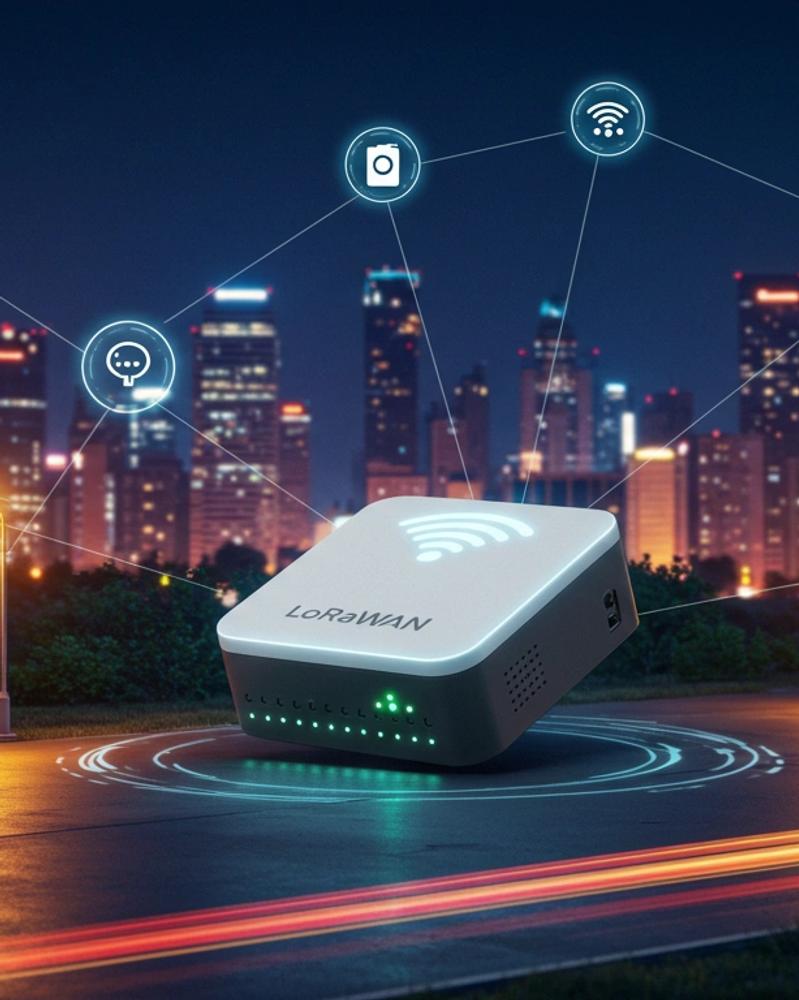
Telematics is a key technology that connects telecommunications and informatics to monitor, analyze, and control vehicles, machines, and other assets in real-time. By combining GPS tracking, on-board diagnostics (OBD) and additional sensors, precise data on location, usage, and condition of vehicles or machines is collected. This information helps optimize efficiency, safety, and maintenance.
How does telematics work?
Telematics devices – often referred to as "black boxes" – are installed in vehicles or machines. They collect data and transmit it via cellular networks (2G, 4G, increasingly 5G) or satellite connections to a central cloud platform. There, the information is processed, analyzed, and made available for applications such as fleet management, safety, or maintenance.
Typical data collected includes:
- GPS position: for precise location and movement monitoring
- Driving behavior: speed, idle times, acceleration and braking behavior
- Engine status: engine diagnostic values, fuel consumption, OBD error codes
- Vehicle malfunctions: warnings such as low tire pressure or low oil level
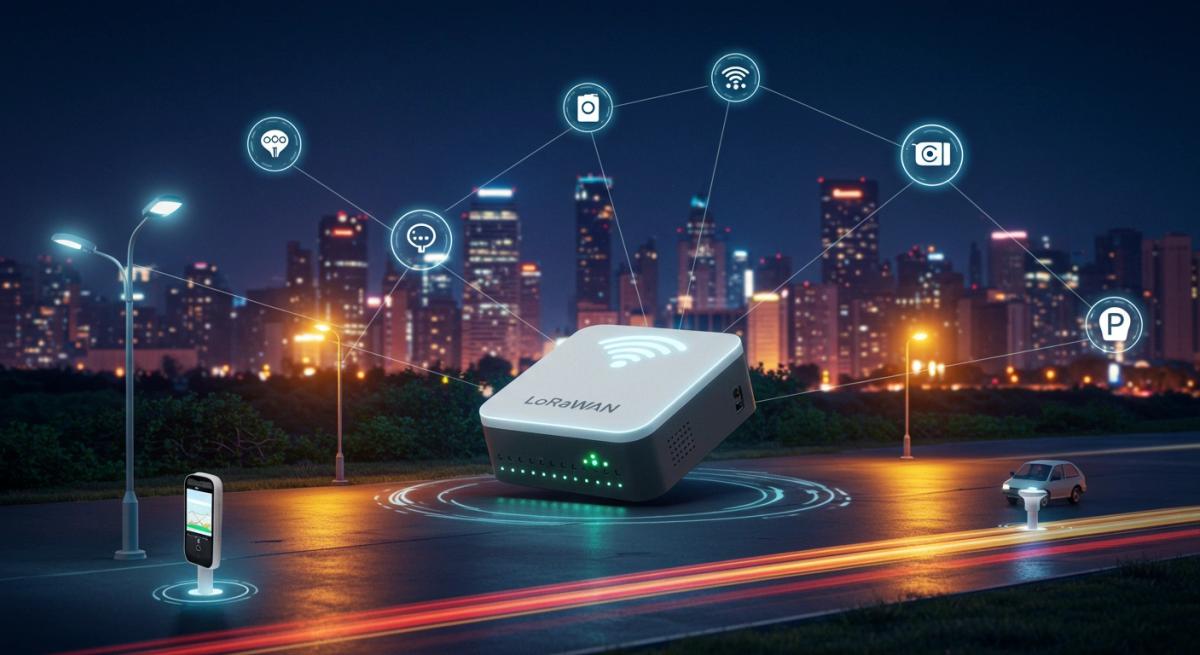
The main components of a telematics system
A telematics device consists of several key components that work together to collect and transmit precise data:
- GPS receiver – for location determination and route recording
- Engine interface (e.g., OBD-II, CAN-Bus) – for querying vehicle parameters
- SIM card and cellular modem – for data transmission to backend systems
- Sensors – for capturing environmental and driving data (temperature, fuel level, etc.)
- Accelerometer – for measuring G-forces, e.g., during abrupt braking or cornering
Applications of telematics
Telematics systems are not only significant in the vehicle sector but are also applied in many areas:
- Fleet management: real-time vehicle monitoring, optimized route planning, driving style analysis, and scheduled maintenance reduce operating costs.
- Traffic management: live data on traffic flows help avoid congestion and optimize traffic flow.
- Safety monitoring: risk detection through driving behavior analysis (e.g., aggressive driving, distraction) improves safety.
- Energy and resource management: in industry and construction, telematics is used to monitor machine operating times, energy consumption, and utilization.
Benefits of telematics
The use of telematics in vehicles and fleet management systems offers numerous benefits:
- Cost reduction: reduction of repair and fuel costs through optimized driving behavior and predictive maintenance.
- Increased safety: risky driving behaviors are detected and corrected, reducing accident frequency.
- Optimized maintenance & longer lifespan: early diagnosis enables scheduled maintenance and extends the lifespan of vehicles and machines.
- More efficient operations: data-driven route planning and reduction of empty runs increase productivity.
Future developments in telematics
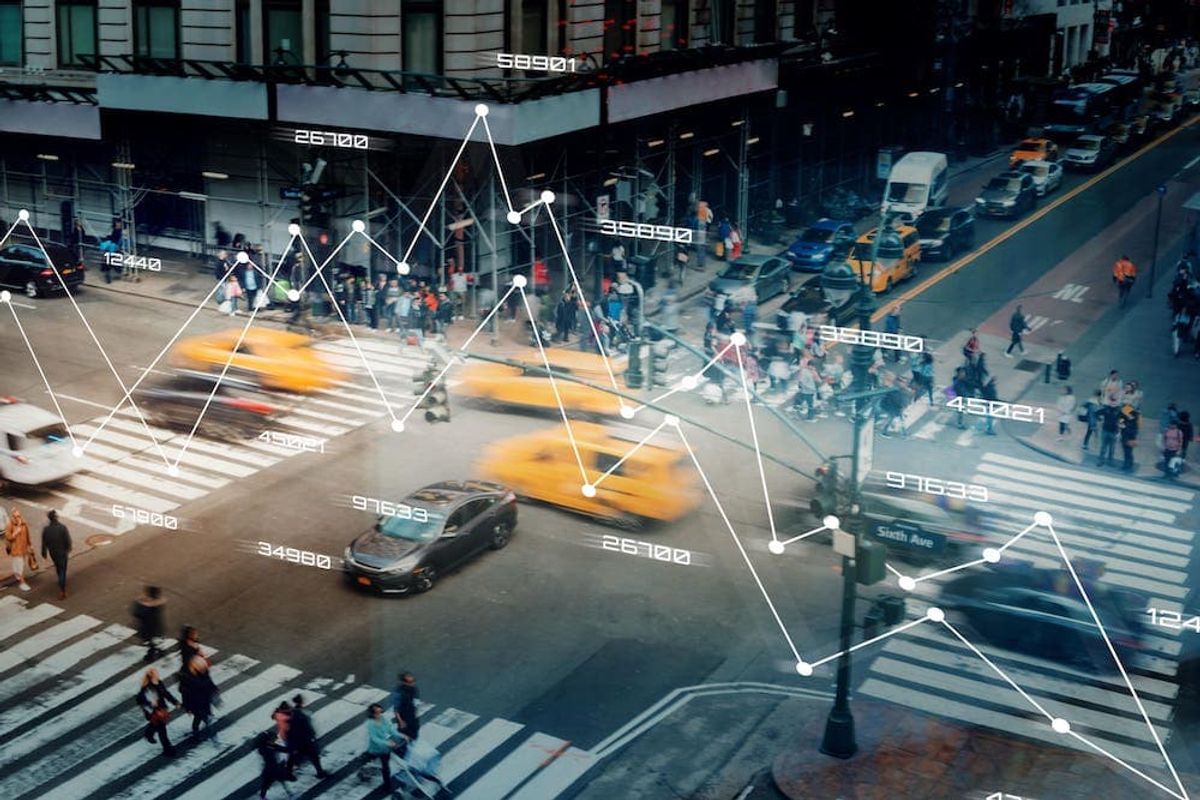
The telematics industry is continuously growing, and new technologies such as 5G and autonomous vehicles will further expand the possibilities of telematics in the future. With the introduction of 5G networks, transmission speed will be improved, enabling real-time analysis and even more precise control of vehicles. The integration of artificial intelligence (AI) in telematics systems will also allow for even more accurate prediction of maintenance needs and improvement of driving behavior.
Conclusion
Telematics is a central technology for modern fleet and resource management. It enables precise location determination, continuous condition monitoring, and data-driven control. Companies benefit from lower costs, higher safety, and more efficient processes. With the advancement of 5G, AI, and autonomous driving, telematics will play an even more important role in mobility, industry, and infrastructure in the future.
Do you have questions about telematics, IoT, and tracking?