What is a GPS Tracker? – Explanation and Application
Learn what a GPS tracker is, how it works, and the benefits it offers for businesses and personal use.

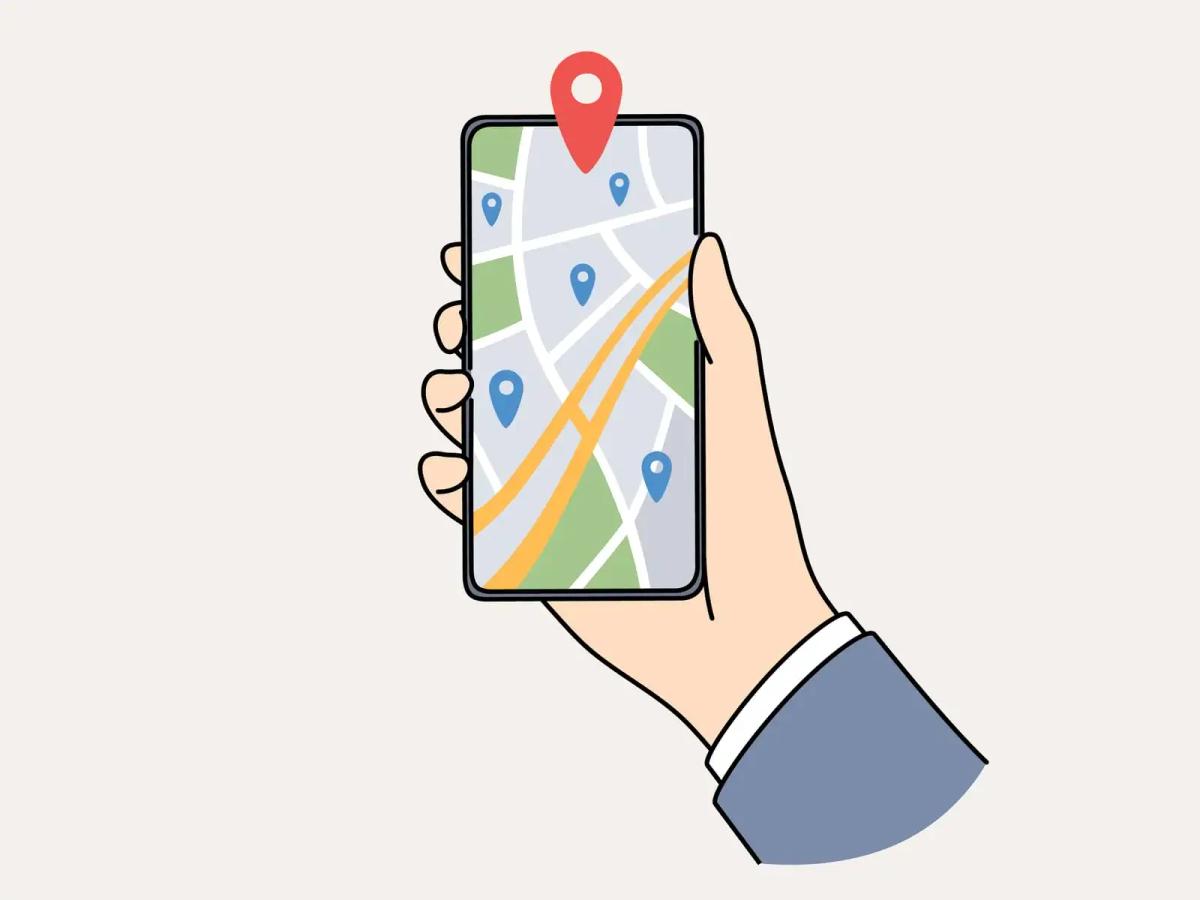
A GPS tracker is an electronic device that uses the Global Positioning System (GPS) to determine the exact position of objects and provides this data in real-time or delayed. This allows vehicles, machines, valuables, or even animals to be reliably located and monitored. GPS trackers are now a central tool for fleet managers, logistics companies, and security applications, but they also find diverse uses in the private sector.
How does a GPS tracker work?
Positioning is done using a method called triangulation. Here, the GPS tracker receives signals from at least three, but usually four or more satellites from the Global Navigation Satellite System (GNSS). From the signal travel times, the tracker calculates its exact position in latitude and longitude as well as altitude.
For data transmission, a distinction is made between:
- Active GPS trackers: They transmit position data in real-time to a central platform, enabling immediate monitoring and intervention.
- Passive GPS trackers: They store data locally, allowing it to be read at a later time – useful in less time-critical scenarios.
Data transmission to servers or software platforms is usually done via the mobile network (GSM, LTE, increasingly also 5G).

Main components of a GPS tracker
A GPS tracker typically consists of several core components:
- GPS receiver – determines the exact position via satellite signals.
- Power supply – either battery, rechargeable battery, or vehicle connection (e.g., via OBD-II).
- Communication module (SIM card and modem) – transmits the data via mobile network to a central platform.
- Sensors – additional sensors enable the recording of speed, driving behavior, fuel consumption, or environmental influences.
- Memory – especially for passive trackers for local data storage.
Applications of GPS trackers
The use of GPS trackers is widespread in many areas, especially in vehicle and fleet monitoring:
Fleet management
GPS trackers enable real-time monitoring of vehicles and facilitate efficient route planning, driving behavior analysis, and predictive maintenance. This can significantly reduce operating costs and increase safety.
Theft protection
In the event of vehicle or equipment theft, GPS trackers provide precise location information that enables quick localization and recovery – a decisive advantage over purely mechanical security solutions.
Monitoring of vehicle data
In combination with telematics systems, not only movement data but also operating parameters such as fuel consumption, engine load, or error messages can be recorded.
Advantages of GPS trackers
The use of GPS trackers offers numerous advantages, especially in fleet and logistics optimization:
- Real-time monitoring: With a GPS tracker, companies can monitor their vehicles in real-time, allowing immediate response to problems or unforeseen events.
- Optimized route planning: GPS trackers help determine the most efficient routes based on traffic conditions and vehicle position, saving time and fuel.
- Cost reduction: By monitoring driving behavior and vehicle data, companies can avoid unnecessary costs such as high fuel consumption and expensive repairs.
- Increased security: GPS trackers allow for quick response to thefts or unauthorized vehicle use, improving property protection.
- Better resource utilization: Complete transparency over vehicle and machine utilization.
Cross-industry applicationscases
GPS trackers are used in many different industries. Some examples:
- Logistics and transport: GPS trackers help track deliveries in real-time, monitor the condition of goods, and increase the efficiency of transport routes.
- Agriculture: In agriculture, GPS trackers can be used to monitor agricultural machinery and equipment, reducing maintenance costs and improving productivity.
- Fleet management: Companies operating many vehicles or machines use GPS trackers to gain a complete overview of their fleet and optimize resource utilization.
- Construction and industry: Protection and monitoring of construction machinery and equipment.
Future developments
The future of GPS trackers is closely linked to new technologies. Through 5G networks, data is transmitted almost in real-time, enabling highly precise controls and analyses. In conjunction with Artificial Intelligence (AI), maintenance needs can be predicted, driving behavior analyzed, and logistics processes further optimized. Also, integration into IoT ecosystems (e.g., for Asset Tracking in industry and logistics) will massively expand the application possibilities.
Conclusion
GPS trackers are now an indispensable tool in modern logistics, fleet management, and numerous other industries. They offer transparency, increase security, and contribute to more efficient resource utilization. With advancements in 5G, IoT, and AI, GPS trackers will become even more powerful and versatile in the future – further cementing their role as a key technology for monitoring and control.
Do you have questions about localization, IoT, and tracking?
Read on

What is BLE (Bluetooth Low Energy)?
Your smartwatch synchronizes the time with your phone, the fitness tracker reports the steps, the temperature Sensor in the warehouse transmits its value. Three different devices, yet often the same technology is at the core. It's called BLE, which stands for Bluetooth Low Energy, and its main trick is not to transmit a lot, but to consume very little power. This article explains what BLE is, how it works, how it differs from classic Bluetooth, and where it is used in industrial operations.

Identify Production Bottlenecks Early: How to Prevent Production Stops
In this webinar, SmartMakers shows you how to identify impending bottlenecks in production before the line comes to a standstill. We show you how to reduce your employees' search times and systematically eliminate unplanned stops from your processes.
How Equipment Asset Tags Enable Smarter Decisions with IoT Analytics
Discover how equipment asset tags combined with IoT analytics enable data-driven decisions, predictive maintenance, and optimized asset utilization.