The Future of IoT Device Control: Trends to Watch
Learn how AI, 5G, Edge Computing, and Blockchain are enhancing IoT device control for smarter operations.
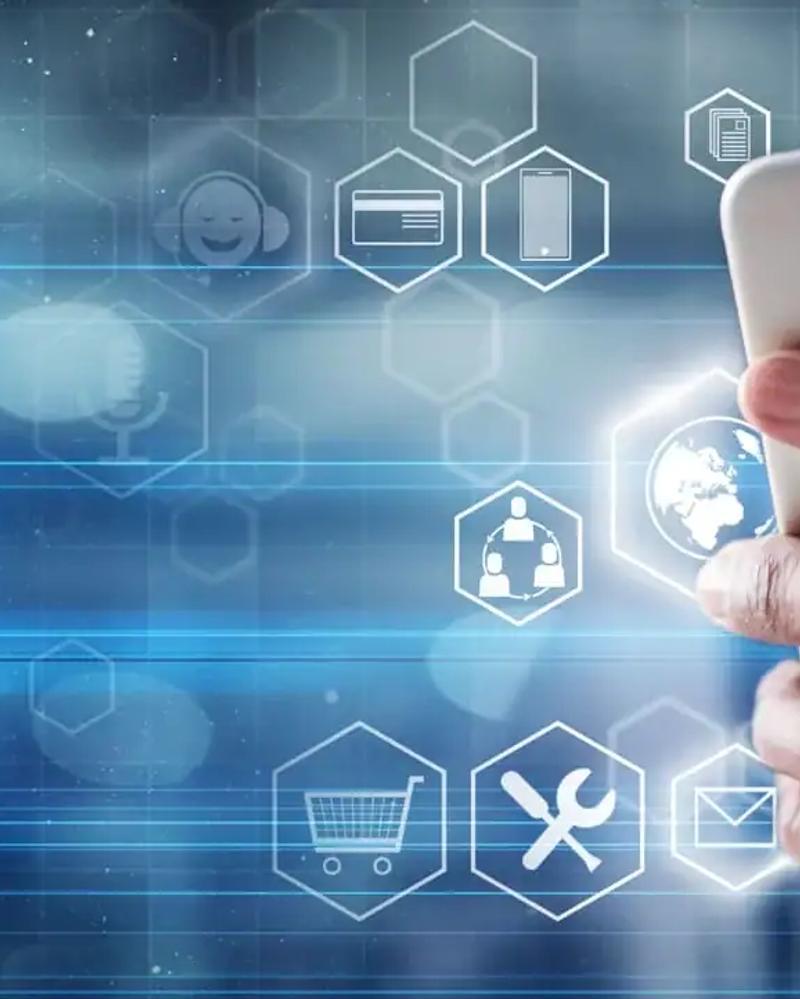
The Internet of Things (IoT) has fundamentally changed how businesses and consumers interact with devices, systems, and entire environments. At the heart of this ecosystem is device control – the ability to monitor, regulate, and interact with connected devices remotely and in real-time.
Whether smart thermostats, industrial plants, or medical devices: IoT device control is crucial for making such interactions reliable, efficient, and seamless. It provides the technical foundation that enables the real-time control of a wide variety of devices, improves user experience, optimizes processes, and enables new automation approaches.
By allowing users to control devices remotely or fully automatically, IoT device control increases both operational efficiency and response speed and contributes to better resource utilization.
In a world where automation becomes the standard, the ability to control devices remotely or autonomously is gaining importance. With the ongoing development of IoT, innovations in device control will significantly influence how industries such as healthcare, manufacturing, transportation, or smart homes will operate in the future and how people will interact with their environment.
What is IoT Device Control?
Definition and Core Concepts
IoT device control describes the use of connected technologies to control internet-enabled devices remotely or automatically. The range extends from household and healthcare devices to industrial plants and vehicles. These devices can be monitored and controlled via various platforms and communication interfaces.
The foundation consists of sensors, actuators, communication protocols, and control interfaces. Sensors collect data, which is transmitted to central systems – often cloud platforms. Based on this analysis, control commands are sent to the devices to adjust their settings or operating modes.
The key components include:
- Sensors: They capture states and environmental parameters such as temperature, location, or device status.
- Actuators: They implement received commands and adjust performance values or settings.
- Communication protocols: Technologies such as Wi-Fi, Bluetooth, Zigbee, or LoRaWAN enable data transmission between devices and control systems.
- Control interfaces: Mobile apps, web portals, or voice assistants serve as central interaction points between users and IoT devices.

Types of IoT Device Control
Remote Control of IoT Devices
Remote control allows users to access devices from virtually anywhere – for example, via smartphones, computers, or specialized control systems. This form is particularly widespread in the smart home sector, for switching lights, regulating temperature, or managing security systems.
Automated Device Control
Automatic control is based on AI, machine learning, or predefined triggers. Examples include thermostats that independently optimize temperature profiles or industrial plants that automatically trigger alerts when critical operating values are reached.
Communication Protocols in IoT Device Control
Communication protocols form the technological foundation of any IoT device control system. They ensure reliable data exchange between devices and central platforms. Commonly used are:
- Wi-Fi and Bluetooth: Ideal for short distances in private or commercial environments.
- Zigbee and LoRaWAN: Particularly suitable for energy-efficient communication over longer ranges.
- Cellular networks: For applications that require permanent connectivity, such as mobile or remote devices.
These protocols enable secure, reliable communication and ensure that devices in various IoT ecosystems can be effectively controlled.
Key Trends in IoT Device Control to Watch
1. Integration with Artificial Intelligence and Machine Learning
AI and machine learning are transforming IoT device control by providing systems with intelligence that enables predictive maintenance, self-learning behavior, and adaptive control.
Intelligent Control with AI and ML
AI-powered IoT devices can learn from patterns in the data and make automatic adjustments based on environmental or operating conditions. An example is an industrial IoT system that uses machine learning algorithms to predict when a device is likely to fail, allowing for preventive maintenance before a breakdown occurs.
Personalized Control Experiences
AI can enhance the user experience by creating personalized control environments. For example, a smart home equipped with AI can learn user preferences for lighting, temperature, and security and automatically adjust them based on the time of day or the habits of the residents.
2. 5G and Its Impact on IoT Device Control
5G technology promises to enhance IoT device control by providing faster, more reliable connections, which are particularly important for the remote control of complex IoT devices.
Faster and More Reliable Connections
5G will significantly improve the responsiveness and speed of IoT systems, making remote control possible even for bandwidth-intensive devices like autonomous vehicles or industrial robots. This technology enables faster data exchange, thereby enhancing the overall performance of IoT devices.
Improved Device Coordination
With 5G, IoT systems will be able to manage a much larger number of devices simultaneously. In applications like smart cities or industrial IoT systems, 5G will enable seamless coordination of devices and sensors, allowing them to communicate and collaborate in real-time to optimize operations.
3. Edge Computing for Faster Control
Edge computing will enhance IoT device control by processing data closer to the source, reducing latency, and increasing responsiveness.
Reducing Latency with Edge Computing
Edge computing allows devices to process data locally instead of relying on cloud-based systems, reducing delays. This is particularly important for IoT devices that require immediate action, such as autonomous vehicles or production lines, where real-time data is crucial for decision-making.
Autonomous Device Management
With edge computing, IoT devices can operate autonomously without constant communication with the cloud. This reduces the load on cloud servers and allows devices to respond more efficiently to real-time data.
4. Voice and Gesture Control in IoT
Voice and gesture control are changing the way we interact with IoT devices, enabling user-friendly and seamless control in various environments.
Voice-Controlled IoT Device Control
Voice assistants like Amazon Alexa and Google Assistant already play a significant role in IoT device control, allowing users to control lights, thermostats, and security systems with simple voice commands.
Gesture-Based Control
Innovations in gesture recognition also make it possible to control devices through gestures, making IoT management even more intuitive. This is particularly useful in environments like hospitals or factories, where touchless interaction is required.
5. Blockchain for Security in IoT Device Control
Blockchain technology is being integrated into IoT device control systems to ensure enhanced security, transparency, and reliability.
The Role of Blockchain in Securing Device Control
By utilizing blockchain, IoT devices can create tamper-proof records of their interactions to ensure secure and transparent device management. This is particularly important in industries like healthcare and finance, where security and compliance are of utmost priority.
Decentralized Device Management
Blockchain can also decentralize IoT device control, eliminating single points of failure and making systems more resilient to cyberattacks. By using blockchain to verify transactions and control access to devices, companies can enhance the security of their IoT networks overall.
Innovations Shaping the Future of IoT Device Control
Smart Home Innovations
Smart homes are leading innovations in IoT device control. With advances in home automation, users can now control everything from lights and security cameras to temperature and entertainment systems – either via smartphones, voice assistants, or automated routines.
Industrial IoT (IIoT) and Smart Factories
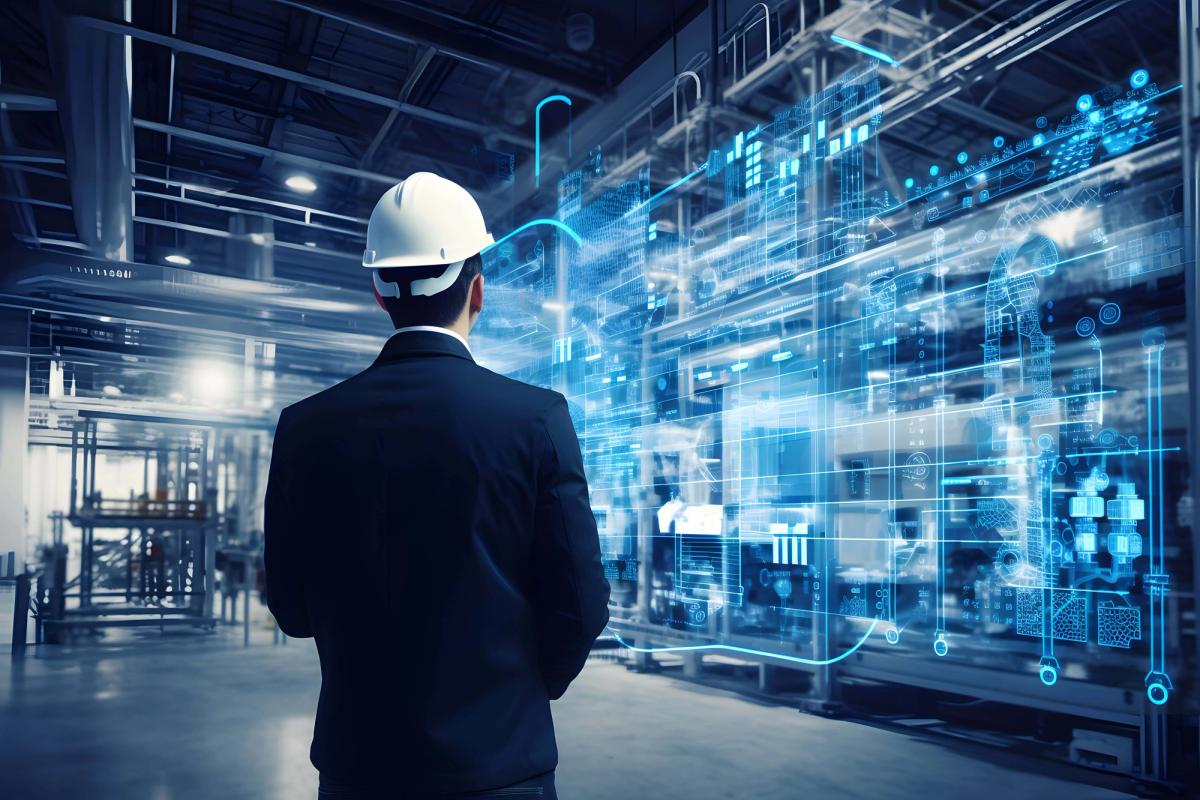
In the industrial sector, IoT device control enables smart factories with real-time monitoring, predictive maintenance, and automated adjustments to production lines. These innovations help manufacturers increase productivity and reduce downtime.
Healthcare and IoT Device Control
IoT plays a crucial role in healthcare by enabling remote patient monitoring, controlled medical devices, and telemedicine. With IoT device control, doctors and patients can interact in real-time, leading to better health outcomes and more efficient management of medical devices.
The Future of IoT Device Control
Predicting the Evolution of IoT Device Control
Looking to the future, IoT device control will evolve from simple manual control to fully automated and AI-driven systems. As more devices become interconnected, the demand for intelligent, self-learning control systems will grow, making IoT device control more efficient and adaptable.
Preparing for the Future of IoT Control
To stay ahead in the rapidly advancing field of IoT, companies must embrace these innovations. Implementing AI, 5G, edge computing, and blockchain will not only improve device control but also open up new opportunities for growth and efficiency.
The future of IoT device control is promising, and those who embrace these advancements will be best positioned for success.
Summary of Trends, Innovations, and Future Prospects in IoT Device Control
IoT device control is transforming industries by providing smarter, faster, and more efficient ways to interact with connected devices. From AI-driven systems to edge computing and blockchain security – the future of IoT device control will revolutionize how businesses and individuals interact with their devices.
As these innovations continue to advance, companies must stay ahead of the curve to leverage these technologies and maintain their competitive edge.
Adopting the latest advancements in IoT device control will not only enhance operational efficiency but also improve security, personalization, and decision-making, driving the next generation of connected devices across all sectors.
Do you have questions about IoT, Asset Tracking, or Remote Monitoring? We offer free and non-binding advice.