Supply Chain Transparency: IoT Solutions to Eliminate Blind Spots
Discover how IoT solutions improve supply chain transparency, provide real-time insights, and enhance efficiency.
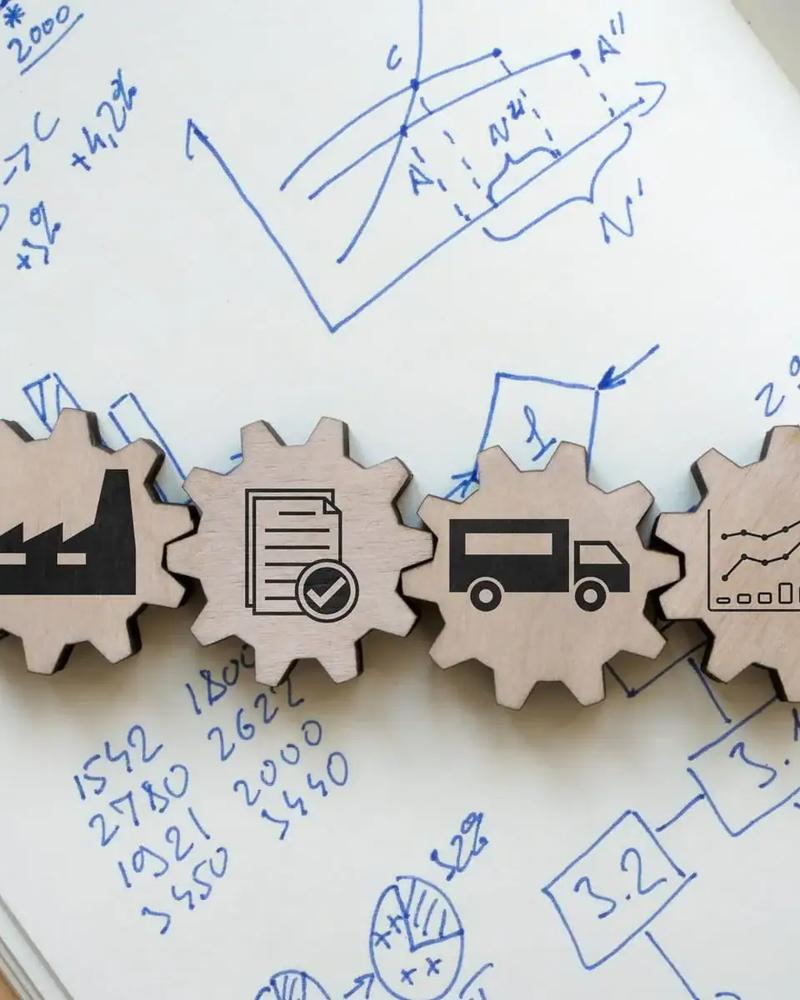
In an increasingly connected world, supply chain transparency is no longer an optional extra – it has become a business necessity. Companies are under growing pressure to meet customer demands for sustainability, ethical sourcing, and operational efficiency. To fulfill this responsibility, seamless insights into every stage of the supply chain are required. But how can this transparency be achieved in complex, global networks? The answer lies in leveraging Internet of Things (IoT) technologies that enable real-time insights and close information gaps. This article demonstrates how IoT solutions are revolutionizing transparency along the supply chain – helping companies operate more efficiently, resiliently, and trustworthily.
What Does Supply Chain Transparency Mean?
More Than Classic Visibility
Supply chain transparency refers to the comprehensive traceability of all steps from raw material extraction to the delivery of the final product. It is about knowing where products come from, how they are made, and ensuring that every step is documented and verifiable. The term goes far beyond classic logistics tracking, which usually focuses on shipment status. Transparency also includes ethical aspects, environmental impacts, and compliance with legal requirements.
In this context, transparency fundamentally differs from mere visibility. While visibility primarily traces the physical whereabouts of goods, transparency ensures that all information about the product lifecycle is openly accessible. It builds trust with customers and helps companies meet stricter regulatory requirements.
The Importance of End-to-End Traceability
End-to-end traceability provides traceable and accessible data on every single step in the supply chain. Given the growing expectations for ethical conduct and sustainability, this form of transparency is indispensable to meet today's market demands. Moreover, it contributes to compliance with legal requirements and helps identify and mitigate risks associated with disruptions or quality issues early on.
Typical Challenges in Supply Chain Transparency
Despite the increasing relevance, many companies continue to struggle with significant transparency gaps. The most common hurdles include:
Slow response to disruptions and quality issues: Without real-time monitoring, problems often go unnoticed – with costly consequences.
Limited insight into multi-tier supplier structures: Often, there is a lack of overview of downstream partners, making it difficult to view the supply chain holistically.
Manual processes and outdated systems: Paper-based or non-integrated procedures lead to error-prone and inefficient operations.
Information silos between partners: Data is managed in isolated individual systems, preventing a shared view.
Why Transparency Becomes an Economic Success Factor
Customer demands for ethical and sustainable production: Consumers are increasingly interested in the origin and manufacturing conditions of their products. Companies that make their supply chain transparent demonstrate responsibility – and thus gain trust and long-term customer loyalty.
Regulatory requirements and risk management: In regulated industries such as food, pharmaceuticals, or electronics, transparency is essential for compliance with legal requirements. Seamless traceability simplifies audits, reduces liability risks, and increases responsiveness to incidents.
Brand protection: Transparency protects against reputational damage from ethically questionable practices or safety issues. By disclosing their processes, companies prevent scandals and strengthen the trust of customers and business partners.
How IoT Solutions Enable Transparency
By integrating IoT technology into supply chain management, new dimensions of transparency are opened up. Sensors, Trackers, and connected devices provide real-time data on the location, condition, and movements of goods. Below are some key application areas:
Real-Time Tracking of Assets and Deliveries
Using location technologies like GPS, shipments and assets can be tracked in real-time. For example, temperature data of sensitive goods such as pharmaceuticals can be continuously monitored. This provides companies with an end-to-end view from the point of origin to the destination.
Core Technologies:
- GPS Tracking for transport vehicles and goods
- Environmental Sensors for monitoring temperature, humidity, and shocks
- Geofencing for route management and location monitoring
Transparency in Production
IoT technologies allow real-time monitoring of production processes and efficient assurance of quality standards. Connected machines continuously provide performance data, sensors detect deviations early, and document batches seamlessly.
Core Technologies:
- Machine Data Streams for process monitoring
- Automated Quality Assurance through sensors
- Batch Tracking for traceability at the individual component level
Warehouse and Inventory Management
IoT also optimizes warehouse processes through automated inventory management. Smart shelves and continuous monitoring ensure accurate inventory data, correct storage conditions, and timely reordering – minimizing human errors.
Core Technologies:
- Automated Tracking of inventory
- Temperature and Humidity Control for sensitive goods
- Real-Time Alerts for threshold exceedances
How IoT Enables End-to-End Transparency
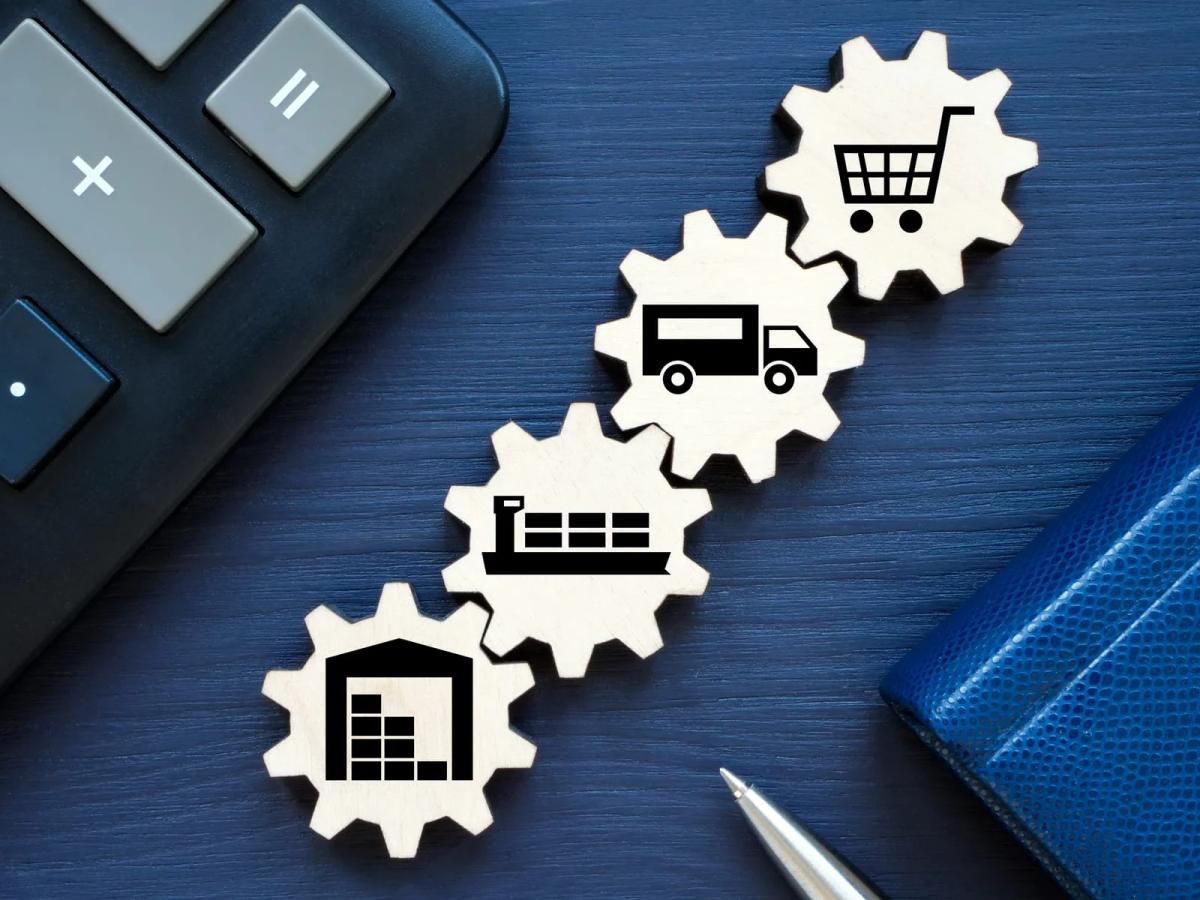
The central advantage of IoT lies in the networking and integration of different data sources into a consistent overall picture. Companies can thus identify inefficient processes, respond more quickly to disruptions, and optimize the performance of their supply chain.
Data Integration and Analytics Platforms
The data generated by IoT devices can be consolidated via central dashboards. These provide a holistic overview, informed forecasts, and early detection of patterns or anomalies. With the help of predictive analytics, companies can anticipate risks and take timely countermeasures.
Key Benefits:
- Centralized Dashboards with real-time insights
- Forecast Models for risk and demand assessment
- Automated Alert Systems for quick response
Blockchain Technology
Blockchain provides additional security and transparency by offering an immutable, decentralized data base. Every step along the supply chain is documented tamper-proof – an important safeguard against product piracy and manipulation.
Key Benefits:
- Immutable Transaction Data for highest data security
- Smart Contracts for automated compliance and payments
- Decentralized Data Exchange for more trust between partners
IoT in Practice: Industry Examples
IoT solutions can be flexibly tailored to industry-specific requirements. Some examples:
Food and Agriculture:
Complete traceability from field to consumer. Transport conditions are documented to prevent spoilage.
Pharmaceuticals and Medical Technology:
Seamless temperature monitoring of sensitive medications and compliance with regulatory requirements through digital evidence.
Fashion and Textile Industry:
Tracking of raw materials, verification of working conditions, and ensuring ethical standards along the value chain.
Electronics Manufacturing:
Tracking of components, quality assurance in production, and compliance with environmental standards for transparent manufacturing processes.
How to Implement: Roadmap for More Transparency
The path to a transparent supply chain begins with a thorough inventory. Where is information missing? Which processes are incomplete? Together with IoT experts, individual solutions can be developed and seamlessly integrated into existing structures.
Implementation Steps:
- Continuous optimization based on real-time data
- Analysis of existing processes and identification of transparency gaps
- Selection of suitable IoT technologies depending on objectives and budget
- Integration into existing systems and processes
- Collaboration with partners for data utilization and interface formation
Conclusion
Transparency in the supply chain is a central component of modern business strategies. IoT solutions help close information gaps, make processes more efficient, and strengthen trust with customers, partners, and authorities. It's not just about monitoring – it's about ensuring the integrity of every single link in the chain.
FAQ
1. How long does it take to implement IoT-based transparency solutions?
Depending on complexity and company size, full integration typically takes 3 to 6 months – including testing and roll-out phases.
2. How can transparency be reconciled with the protection of trade secrets?
By selectively sharing relevant data via secure, encrypted platforms and using Smart Contracts or Blockchain, sensitive information can be specifically secured.
3. What technical prerequisites are required for IoT integration?
Compatible systems (e.g., via standardized APIs or cloud platforms) and robust IT security measures to protect data integrity are important.
4. How can smaller suppliers be integrated into transparent supply chains?
Through easily accessible IoT technologies like GPS and cloud-based platforms, smaller partners can also be integrated without high entry barriers.
5. What investment costs and ROI can be expected?
Initial investments depend on the scope of the solution but often pay off through reduced operating costs, increased efficiency, improved compliance, and enhanced customer satisfaction within a few months.
Talk to us – we will show you how easy Asset Tracking can be today.