Smart Monitoring: Revolutionizing Industries with IoT-Enabled Insights
Learn how Smart Monitoring with IoT technology enhances efficiency, optimizes decision-making, and enables proactive maintenance.
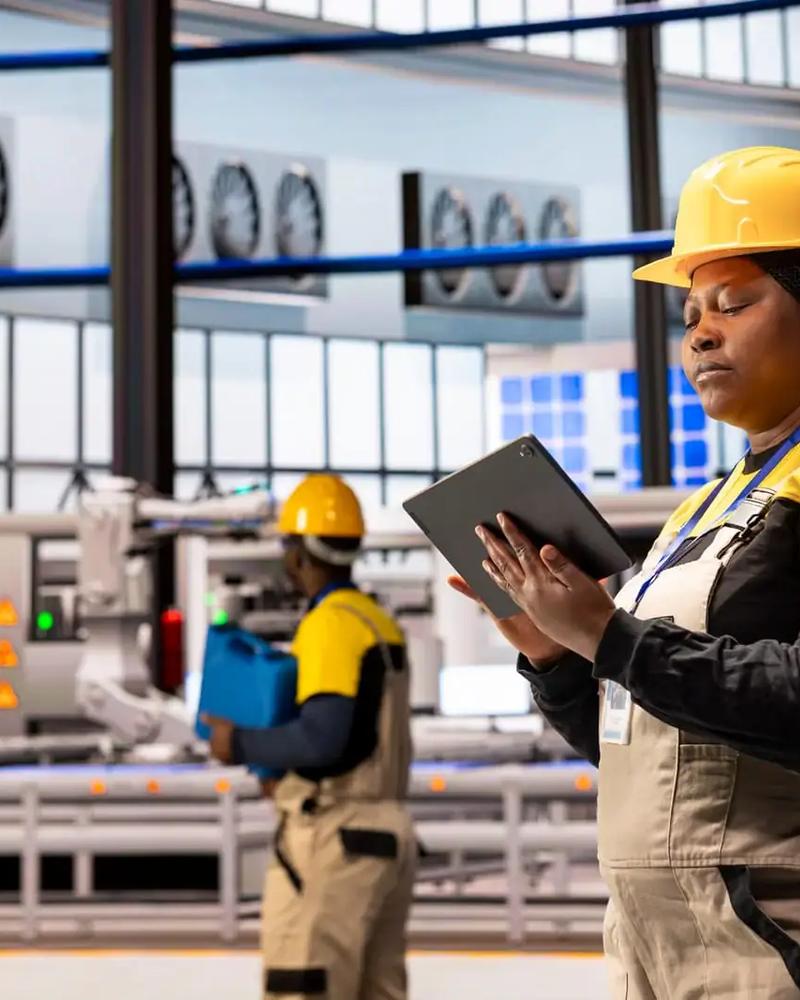
In today's fast-paced, data-driven world, companies across various industries are constantly seeking ways to improve operational efficiency, reduce costs, and make better decisions. One of the most powerful technologies driving this transformation is Smart Monitoring—a technology revolutionizing industries by providing real-time insights into various operations and systems. With the rise of the Internet of Things (IoT), Smart Monitoring systems have become an indispensable tool for businesses to make informed decisions quickly and effectively.
According to a recent study, 80% of companies reported that IoT solutions have increased operational efficiency through improved real-time data analysis. This demonstrates how Smart Monitoring plays a crucial role in reshaping the way businesses operate. In this article, we will explore the growing importance of Smart Monitoring, explain how it works, and discuss its key applications across various industries.
What is Smart Monitoring?
Smart Monitoring refers to the continuous and real-time monitoring of assets, systems, and environments to gain valuable insights into operations. These systems are powered by IoT sensors that collect data from various sources and transmit it to analytics platforms for processing. Smart Monitoring tools not only collect data but also help interpret it, enabling businesses to make data-driven decisions in real-time.
How do IoT sensors enable Smart Monitoring?
At the core of a Smart Monitoring system are IoT sensors that capture data from their environment. These sensors are embedded in machines, devices, or infrastructure, where they continuously monitor parameters such as temperature, humidity, pressure, machine performance, energy consumption, and more. Once the data is captured, it is transmitted to cloud platforms or local servers for processing.
Key components of a Smart Monitoring system include:
- IoT sensors: Devices that collect real-time data from physical assets and environments.
- Cloud platforms: Secure the data and enable access across devices.
- Analytics engines: Process and interpret the data, identifying patterns, anomalies, and insights.
- User interfaces: Dashboards and alerts that make the data actionable and accessible for decision-makers.
What can Smart Monitoring monitor?
Smart Monitoring can be applied to a variety of operational aspects. Here are some examples:
- Temperature: Ensuring environments remain within the correct temperature range, whether in manufacturing, agriculture, or warehouses.
- Humidity: Monitoring moisture levels in sensitive environments such as food storage or data centers.
- Machine performance: Monitoring the performance and condition of machines to predict failures before they occur.
- Energy consumption: Measuring energy usage to optimize efficiency and reduce costs.
- Asset locations: In logistics, tracking the movement and location of goods in transit.
By continuously monitoring these variables, businesses gain a holistic view of their operations, enabling proactive management and more effective decision-making.
How do Smart Monitoring systems work?
To better understand the power of Smart Monitoring, it's important to explain the process of how these systems operate.
Data Collection
The first step in any Smart Monitoring system is data collection. This is where IoT sensors come into play. These sensors capture real-time information from their environment—whether it's the temperature of a room, the energy consumption of a machine, or the condition of a vehicle in transit.
The key to Smart Monitoring is the continuous flow of data. Traditional methods of data collection may have relied on manual inputs or periodic checks. In contrast, IoT sensors collect data in real-time, providing businesses with an immediate picture of what's happening in their systems.
Data Transmission
Once the data is collected, it needs to be transmitted to a central platform for analysis. This is typically done through a secure transmission network. Most Smart Monitoring tools use cloud-based platforms for data storage and processing, but they can also be sent to local servers, depending on the system configuration.
The secure transmission of data is crucial. Since IoT systems often deal with sensitive information, secure data transmission is a must to prevent unauthorized access or data breaches.
Data Processing and Analysis
Once the data reaches its destination, processing and analysis occur. IoT platforms use AI, machine learning, and data analytics to interpret the raw data. This is where insights are gained.
- AI and Machine Learning: AI algorithms can analyze the data for trends and anomalies. For example, if a machine starts operating inefficiently or shows signs of wear, AI can flag this as a potential issue requiring attention.
- Data Analytics: With advanced analytics tools, businesses can visualize their data, making it easier to interpret and recognize patterns that may not be immediately obvious.
Real-Time Insights
One of the greatest advantages of Smart Monitoring is the ability to gain real-time insights. Processed data is often provided through dashboards that help decision-makers quickly visualize key metrics. A dashboard might display the current temperature of a warehouse, machine efficiency, or energy consumption trends.
Alerts can also be set up to notify users when certain thresholds are reached. This allows businesses to respond quickly to issues, whether by adjusting operations, performing maintenance, or making strategic decisions based on the available data.
The Benefits of Smart Monitoring
Implementing a Smart Monitoring system offers numerous benefits to businesses. Here are the key advantages:
Increased Efficiency
By continuously monitoring operations and systems in real-time, businesses can quickly identify inefficiencies. This enables faster decision-making and better resource utilization, leading to overall improved efficiency.
Proactive Maintenance
One of the greatest benefits of Smart Monitoring tools is the ability to predict and prevent failures. By analyzing machine data and detecting signs of wear, businesses can perform predictive maintenance. This helps avoid costly downtime and repair expenses.
Cost Reductions
Smart Monitoring can reduce costs in various ways:
- Energy efficiency: Monitoring energy consumption can help identify areas where usage can be reduced.
- Reduced downtime: By identifying potential issues early, businesses can minimize downtime and repair costs.
- Operational efficiency: Automation and real-time insights reduce the need for manual oversight, allowing employees to focus on more important tasks.
Improved Decision-Making
Real-time data enables businesses to make faster and more informed decisions. Whether it's adjusting inventory, optimizing supply chains, or improving manufacturing processes, Smart Monitoring systems provide the insights needed for data-driven decisions.
Enhanced Safety
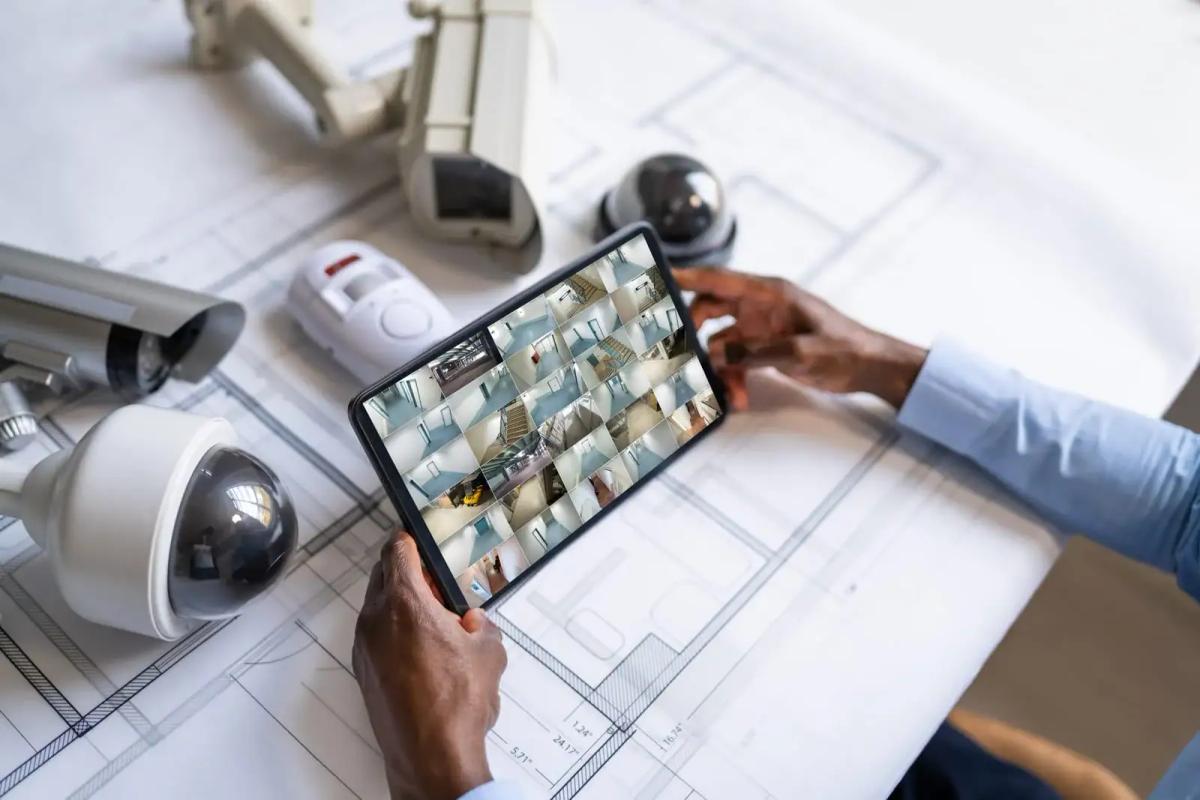
In industries such as healthcare or logistics, Smart Monitoring enhances safety by monitoring sensitive assets and ensuring environments remain within predefined parameters. If there is a deviation, the system can alert security personnel to address the issue.
Key Applications of Smart Monitoring Across Industries
IoT-enabled Smart Monitoring systems are transforming a variety of industries. Here are some examples of how this technology is being utilized:
Manufacturing
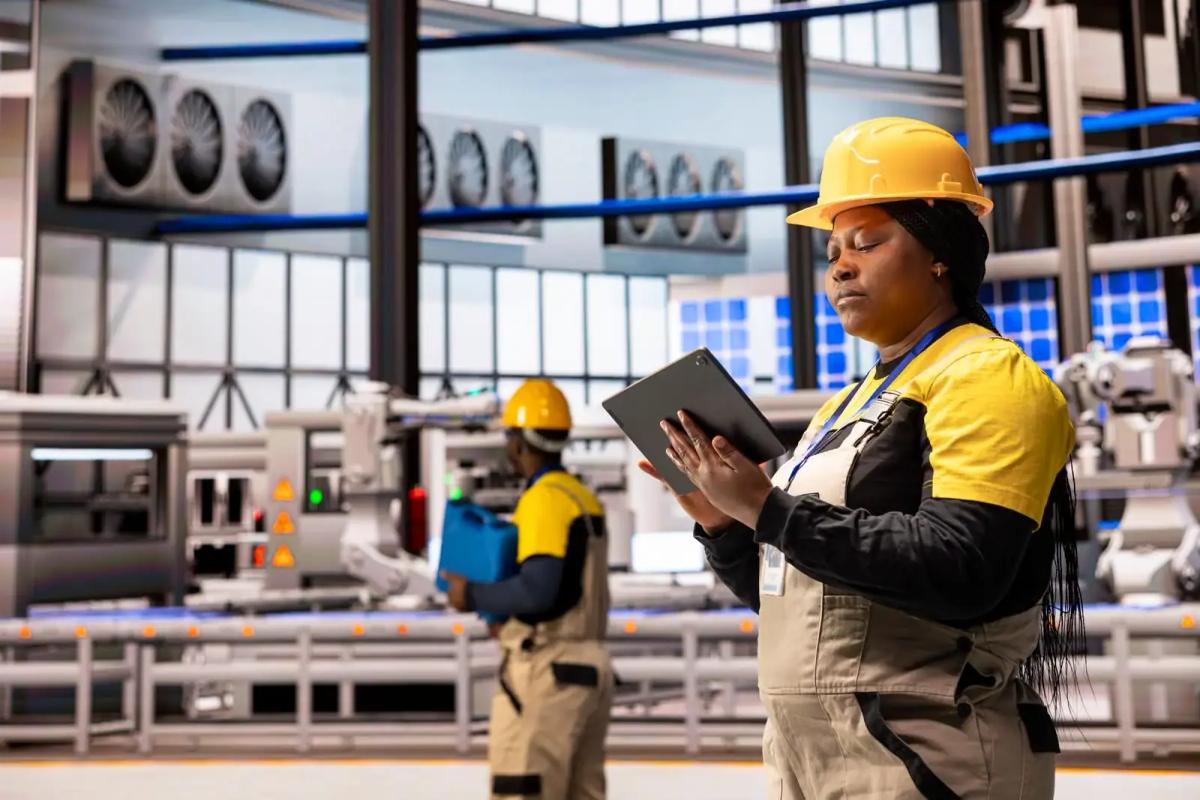
In manufacturing, Smart Monitoring is used to monitor machine performance, energy consumption, and environmental conditions. This helps prevent failures, optimize production, and ensure worker safety.
Logistics
For logistics companies, Smart Monitoring is used to track the location and condition of goods in transit. Temperature-sensitive products like pharmaceuticals and perishable foods can be monitored to ensure they are stored and transported correctly.
Healthcare
Smart Monitoring plays a crucial role in healthcare by enabling continuous monitoring of patients' vital signs and health data. This leads to better care, quicker interventions, and remote monitoring of patients.
Agriculture
In agriculture, Smart Monitoring systems are used to monitor soil conditions, weather conditions, and plant health. These data help farmers make informed decisions about irrigation, fertilization, and pest control, leading to more sustainable farming practices.
Retail
In retail, Smart Monitoring helps monitor inventory levels in real-time, optimize supply chains, and enhance the customer experience through personalized recommendations based on real-time data.
Energy
Smart Monitoring is also revolutionizing the energy sector by monitoring consumption and identifying inefficiencies. It enables better management of energy resources and helps utilities optimize grid performance.
Smart Cities
In Smart Cities, IoT-enabled monitoring systems track traffic, waste management, energy consumption, and more. This helps city planners make informed decisions that improve sustainability, reduce costs, and enhance the quality of life for citizens.
The Future of Smart Monitoring
As IoT technology continues to evolve, the future of Smart Monitoring looks even more promising. With advancements in AI, machine learning, and data analytics, Smart Monitoring systems will become even more sophisticated, offering deeper insights and more accurate predictions.
The integration of 5G networks will enable even faster data transmission, making real-time monitoring systems more efficient and reliable. Companies that invest in Smart Monitoring today will be better equipped to succeed in an increasingly connected world.
Conclusion
Smart Monitoring powered by IoT is revolutionizing industries by providing real-time insights that enhance operational efficiency, drive decision-making, and enable proactive maintenance. The growing importance of implementing Smart Monitoring systems for businesses looking to remain competitive and efficient in an IoT-driven world cannot be overstated. By adopting this technology, companies can ensure they are agile, efficient, and ready to face future challenges.
If you're ready to implement a Smart Monitoring system in your business, now is the time to explore IoT-enabled solutions that provide the data and insights needed for success in today's fast-paced world.
Talk to us – we will show you how easy Asset Tracking can be today.