IoT vs PLC: Key Differences and How This Integration Shapes the Future of Industrial Automation
Comparison of IoT and PLC: Learn how the integration of both technologies shapes Smart Factories, predictive maintenance, and industrial automation in 2026.
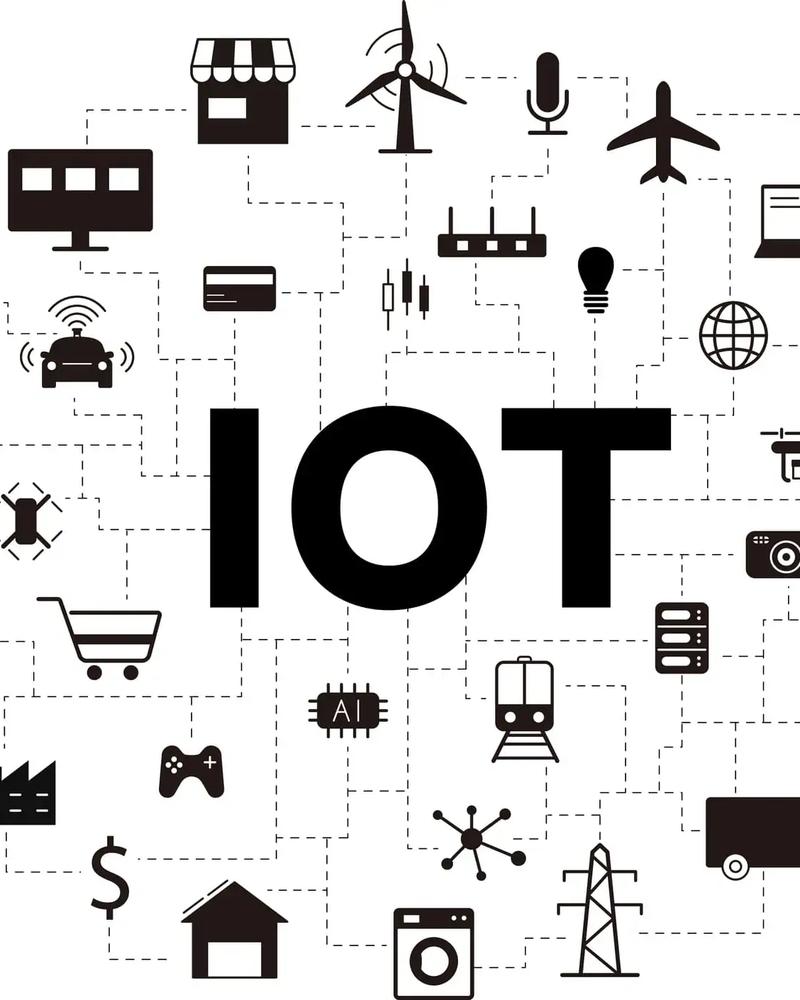
In the age of digital transformation, companies worldwide are adopting advanced technologies to optimize their operations. Two of the most influential technologies in industrial automation are the Internet of Things (IoT) and Programmable Logic Controllers (PLCs).
Both technologies have revolutionized the way manufacturing and automation processes function, but they serve different roles in the industrial ecosystem. So, what sets them apart, and how do they work together to revolutionize industrial automation? In this article, we will explore the differences between IoT and PLC and discuss how their integration is shaping the future of industrial processes.
What is IoT and PLC?
To understand the differences between IoT vs PLC it is important to first define what each of these terms means and what role they play in industrial automation.
Internet of Things (IoT)
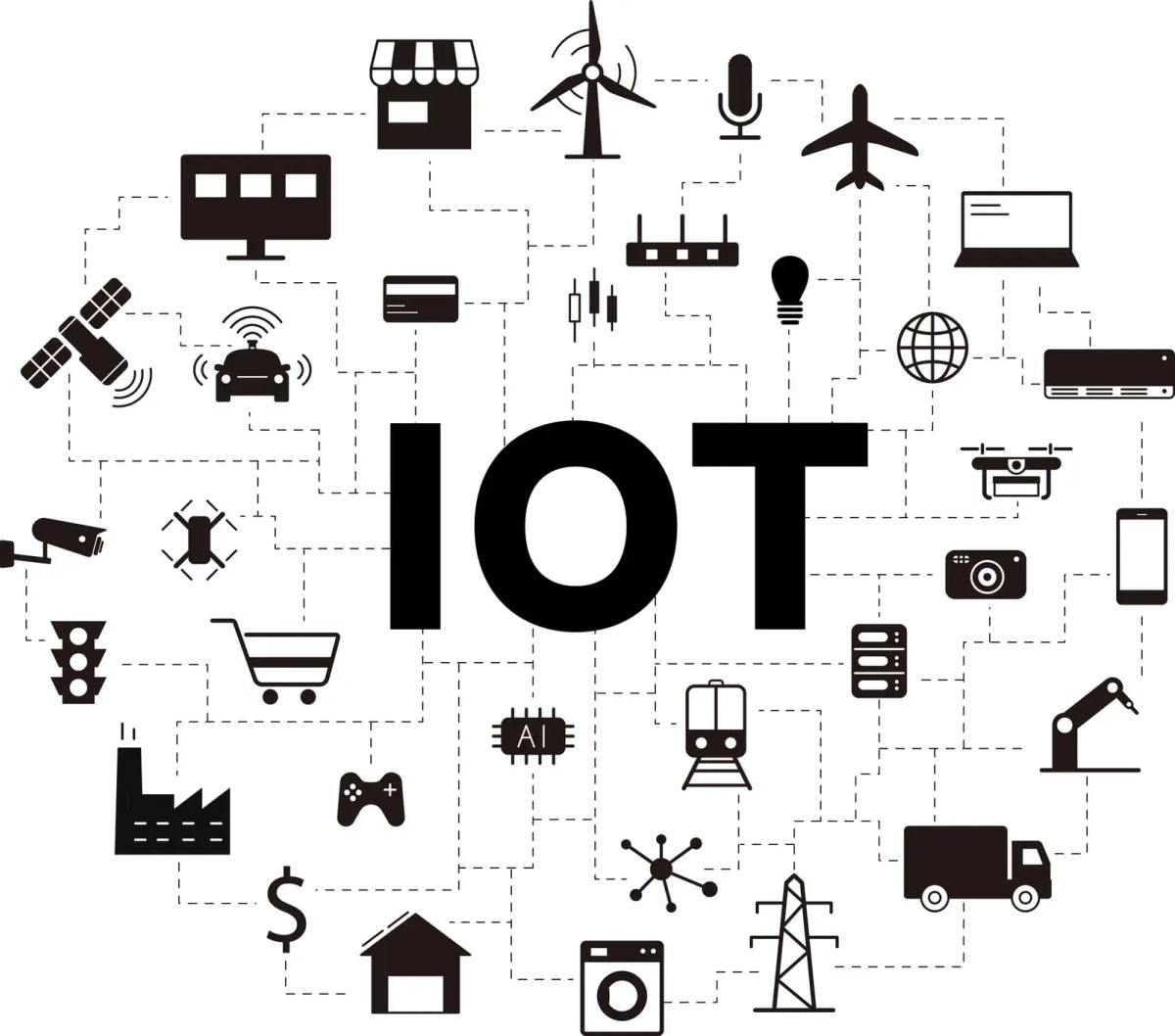
IoT refers to a network of physical devices—such as sensors, machines, and equipment—that are connected to the internet, enabling them to collect, exchange, and analyze data. These devices communicate with each other and with central systems over the internet, allowing for real-time monitoring, predictive analytics, and better decision-making.
In industrial automation, IoT plays a crucial role by providing data-driven insights. Sensors monitor machine performance, temperature, pressure, and other key metrics, while cloud-based platforms collect and analyze this data to optimize operations. This connectivity enables companies to increase productivity, optimize machine uptime, and reduce energy consumption.
Programmable Logic Controllers (PLC)
PLCs are specialized industrial computers used to control machines and processes in manufacturing and factory automation. These devices are programmed to perform specific tasks such as controlling motors, conveyors, and other equipment. PLCs operate in real-time and are primarily used for applications that require high reliability, stability, and precision.
PLCs are indispensable for controlling the physical actions of machines, such as turning devices on or off or adjusting operating parameters. They are often programmed with logic-based control systems to automate routine tasks in a factory or industrial environment.
Understanding the Difference Between IoT and PLC
Although both IoT and PLC are essential components of industrial automation, their purposes and capabilities differ significantly.
Purpose and Functionality
- IoT is designed to enhance connectivity and enable data exchange between devices. Its main function is to collect and transmit data from devices to enable remote monitoring and analysis.
- PLCs on the other hand, are specifically built for controlling and automating industrial processes. They execute immediate actions based on pre-programmed logic commands, such as turning machines on or off or activating devices based on sensor inputs.
Flexibility and Scalability
- IoT systems are highly flexible and scalable, allowing them to be deployed across various industries, from smart agriculture to logistics. IoT networks can grow as needed by adding more devices and sensors to monitor a wide range of operations.
- PLCs are more rigid in their application, focusing primarily on controlling specific industrial processes. They are tailored to the needs of individual factories and generally offer less scalability compared to IoT systems.
Data Processing
- IoT deals with extensive data collection, aggregation, and analysis. It enables companies to make informed decisions based on real-time data from a variety of connected devices. IoT systems gather large amounts of data, which are processed in the cloud to enable advanced analytics such as predictive maintenance.
- PLCs focus on immediate process control. While PLCs can collect some operational data, their main function is to execute control logic and ensure machines operate continuously. PLCs typically do not process or store large datasets like IoT systems.
Connectivity
- IoT systems operate over the internet, connecting on-site devices with central platforms for monitoring and data analysis. This connectivity allows for remote access to devices and real-time data from anywhere in the world.
- PLCs often operate in more isolated environments and are typically connected via wired networks. While modern PLCs may include some networking capabilities, they do not offer the same cloud-based connectivity as IoT systems.
How IoT and PLC Work Together
The integration of IoT with PLC creates a powerful synergy that leverages the strengths of both technologies. While PLCs excel at controlling machines and processes, IoT enhances these capabilities by providing real-time data and advanced analytics. Together, they create a system that not only automates physical actions but also uses data to make smarter decisions.
Benefits of Integrating IoT and PLC
The integration of IoT and PLC offers numerous benefits, including:
- Enhanced Data-Driven Decision Making IoT provides real-time data on machine performance, which can be analyzed to make informed decisions about operations. When combined with PLCs, companies can use this data to adjust machine parameters for optimized performance.
- Improved Efficiency and Productivity The integration enables predictive maintenance, allowing machines to be serviced before they fail, minimizing downtime and keeping the production process running smoothly.
- Remote Monitoring and Control With the integration of IoT and PLC, operators can monitor and control the manufacturing process remotely, providing enhanced operational oversight and ensuring everything runs as planned.
Use Cases of IoT-PLC Integration
The integration of IoT and PLC is already transforming various industries, delivering tangible benefits. Here are some common use cases:
Smart Factories
IoT with PLC integration enables the creation of Smart Factories. In these factories, machines are not only automated by PLCs but also monitored in real-time by IoT devices. This allows for better optimization of equipment, reduced downtime, and immediate adjustments to enhance performance.
Predictive Maintenance
One of the most valuable use cases of IoT-PLC integration is predictive maintenance. Sensors and IoT devices continuously monitor the health of machines and send real-time data to the PLC for analysis. The system can then predict when a machine needs maintenance or replacement parts, preventing unexpected failures and reducing repair costs.
Energy Efficiency
By integrating IoT and PLC, companies can monitor energy consumption in their facilities in real-time. IoT devices track energy usage, and PLCs adjust machine operations to ensure energy is used efficiently. This integration helps reduce waste and lower overall energy costs, contributing to more sustainable practices.
Differences Between IoT and PLC
AspectIoTPLCMain FunctionConnectivity, data collection, and analysis.Process control and automation.Data ProcessingExtensive data collection and advanced analytics.Real-time control with minimal data analysis.Flexibility and ScalabilityScalable and applicable across various industries.Tailored to specific industrial applications.ConnectivityOperates over the internet for remote access.Functions in more isolated, wired environments.PurposeEnhancing operational insights and decision-making.Automation of machine processes and control.
Conclusion: The Future of Industrial Automation
IoT and PLC both play a crucial role in industrial automation, and their integration creates a more efficient, connected, and data-driven approach to managing industrial processes. The integration of these technologies offers a strategic opportunity for companies to remain competitive and succeed in the rapidly evolving automation landscape of 2026.
The integration of IoT and PLC is not just a response to technological trends but a necessity to thrive in the future of industrial automation. Companies that combine these technologies benefit from streamlined production, reduced energy consumption, and increased machine reliability. Investing in this integration is a step in the right direction to secure long-term success.