IoT in the Oil and Gas Sector: The Key to Smarter Exploration and Production
Discover how the Internet of Things (IoT) is revolutionizing the oil and gas sector. Learn how IoT technologies enhance exploration.
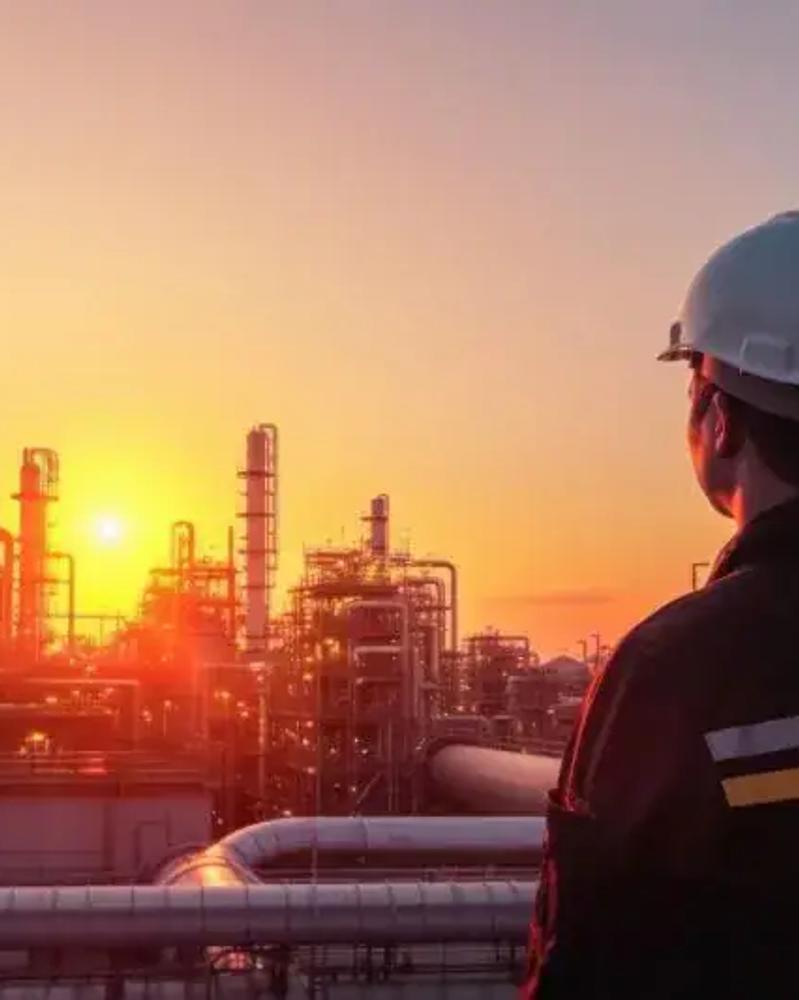
The Internet of Things (IoT) is fundamentally changing how companies in the oil and gas sector manage their processes around exploration, drilling, production, and distribution. With the globally growing demand for energy, companies are increasingly under pressure to enhance efficiency, reduce costs, and ensure the highest safety standards. IoT opens up new possibilities here: real-time monitoring, predictive maintenance, and intelligent automation help maximize operational efficiency and significantly reduce risks.
IoT sensors and real-time data analysis are driving forces behind the transformation of traditional operations. From monitoring pipeline integrity to optimizing drilling performance, these technologies help minimize downtime, enhance work safety, and promote sustainable energy production. The combination of IoT and Artificial Intelligence (AI) further strengthens data-driven decision-making and supports precise, predictive maintenance – aiming to reduce human intervention and increase operational safety. This article illustrates how IoT is shaping the future of exploration and production in the oil and gas industry.
The growing role of IoT in the oil and gas sector
Real-time monitoring and remote operations
Many oil and gas sites are located in remote regions. Manual monitoring of these facilities is not only time-consuming and costly but also poses high risks. IoT technologies enable continuous real-time monitoring of facilities, pipelines, and drilling rigs – enhancing safety and reducing operational risks.
- Remote pipeline monitoring: IoT sensors continuously capture parameters such as pressure, temperature, and flow rate. In case of anomalies – such as a potential leak – operators are immediately notified to take prompt countermeasures.
- Automation on offshore platforms: IoT-based systems monitor weather conditions, detect technical malfunctions, and optimize drilling processes – with minimal human intervention.
- Performance tracking in refineries: IoT sensors ensure continuous monitoring of temperature, pressure, and chemical compositions to maintain optimal production conditions and safety standards.
Digital remote monitoring reduces on-site personnel requirements, increases transparency across all operational sites, and strengthens company resilience. This helps avoid downtime, enhance safety standards, and achieve efficiency gains.

Predictive maintenance and asset monitoring
Unplanned downtimes are among the most costly risks in the industry – both in terms of repair costs and production losses. IoT sensors enable continuous monitoring of critical assets and early detection of impending failures.
- Early fault detection: Machine learning can identify patterns in sensor data that indicate wear or malfunctions.
- Minimized downtimes: Small defects can be detected and fixed before they develop into costly failures.
- Case study: A leading energy company reduced its unplanned maintenance operations by 30% after implementing predictive IoT analytics for its drilling systems.
The ability to proactively schedule maintenance extends machine lifespan, avoids unplanned outages, and significantly reduces operating costs. This leads to more efficient resource utilization and sustainably increased asset availability.
Cost reduction through automation and data analysis
The use of IoT not only leads to greater efficiency but also holds enormous potential for cost reduction.
- Optimized energy consumption: Intelligent IoT systems regulate energy use on platforms and in refineries, preventing unnecessary energy losses.
- More efficient personnel deployment: Remote maintenance reduces the need for physically present staff – lowering labor costs and increasing work safety.
- Automated compliance reports: IoT systems handle the collection and transmission of regulatory-relevant data such as emissions, operating conditions, or safety values.
These data-driven insights help companies streamline processes, reliably meet regulatory requirements, and strengthen their competitiveness – without compromising on efficiency or quality. Reducing manual work and making informed decisions improve long-term profitability.
IoT in the upstream oil and gas industry: optimizing exploration and drilling
Better seismic data acquisition
- Accelerated exploration: Using IoT sensors in seismic devices, geological information can be captured, analyzed, and evaluated more quickly at great depths.
- Intelligent data analysis: AI-powered systems process seismic data in real-time and shorten decision-making paths when selecting new drilling sites.
- Case study: A global energy corporation reduced its exploration costs by 20% thanks to IoT-supported seismic analyses – with higher accuracy.
This allows for more targeted investments, minimizes environmental impact from unnecessary drilling, and significantly increases the success rate in resource development.
Remote monitoring of drilling
- Increased safety: IoT sensors detect gas leaks or dangerous pressure changes early and automatically trigger alarms to prevent accidents.
- More efficient drilling: Real-time data enables engineers to dynamically control drilling processes and align them for maximum efficiency.
- Sustainable operation: More precise control and management help conserve resources and reduce environmental impact.
Companies that use IoT in their drilling processes benefit from higher operational safety, more efficient operations, and more sustainable resource use.
Conclusion
The Internet of Things opens up new dimensions for the oil and gas sector in terms of efficiency, safety, and sustainability. Whether in exploration, drilling technology, or production and refining – IoT is decisively driving the digital transformation of the industry.
With the ongoing development of AI, 5G, and Edge Computing, the potential of IoT will continue to grow. Companies that invest in these technologies today not only secure competitive advantages but also position themselves as pioneers for an intelligent, safe, and sustainable energy future.