How AI and IoT Redefine Intelligent Automation
AI and IoT shape automation, enhance efficiency and maintenance – with examples from industry and agriculture.

In today's rapidly evolving technological landscape, intelligent automation is no longer a vision of the future – it is already a reality, transforming industries worldwide. At the heart of this transformation are two powerful technologies: Artificial Intelligence (AI) and the Internet of Things (IoT). Together, they drive smarter, more efficient, and highly adaptable automated systems that fundamentally change the way businesses operate.
In this article, you will learn how AI and IoT work together to redefine intelligent automation, what real-world applications exist, and how companies like the AGCO Corporation use these technologies to drive innovation and remain industry leaders.
What is Intelligent Automation?
Before we explore the impact of AI and IoT, it is helpful to clarify the term intelligent automation. Unlike traditional automation, which follows fixed rules and processes, intelligent automation integrates cognitive technologies that enable systems to learn, adapt, and make decisions.
This means that automated systems can process large amounts of data, recognize patterns, and improve their performance over time with minimal human intervention. AI provides the intellectual foundation for learning and decision-making, while IoT supplies data from connected devices and sensors in the physical world.

The Role of AI in Intelligent Automation
Artificial Intelligence encompasses various technologies such as machine learning, natural language processing, and computer vision. Within intelligent automation, AI enables systems to:
- Analyze complex data: AI algorithms can quickly sift through large datasets and derive actionable insights.
- Make informed decisions: Based on data analysis, AI can trigger appropriate automated responses or provide human recommendations.
- Learn and improve: Machine learning empowers systems to optimize processes through new data and outcomes.
- Enhance interactions: Natural language processing allows automated systems to understand and respond to human language, improving interfaces and workflows.
By integrating AI, automation solutions become adaptive and context-aware, rather than rigid and rule-based.
The Power of IoT in Intelligent Automation
The Internet of Things connects physical devices, vehicles, machines, and sensors to the internet, enabling the collection and communication of real-time data. The role of IoT in intelligent automation includes:
- Real-time data collection: Sensors continuously monitor conditions such as temperature, movement, or machine status.
- Remote control: IoT devices can be controlled or adjusted remotely based on real-time data.
- Predictive maintenance: Monitoring device performance helps predict failures and minimize downtime.
- Enhanced transparency: IoT creates transparent environments by tracking assets, operations, and environmental factors.
In combination with AI, IoT provides intelligent automation systems with the necessary real-world context to act intelligently.
How AI and IoT Work Together
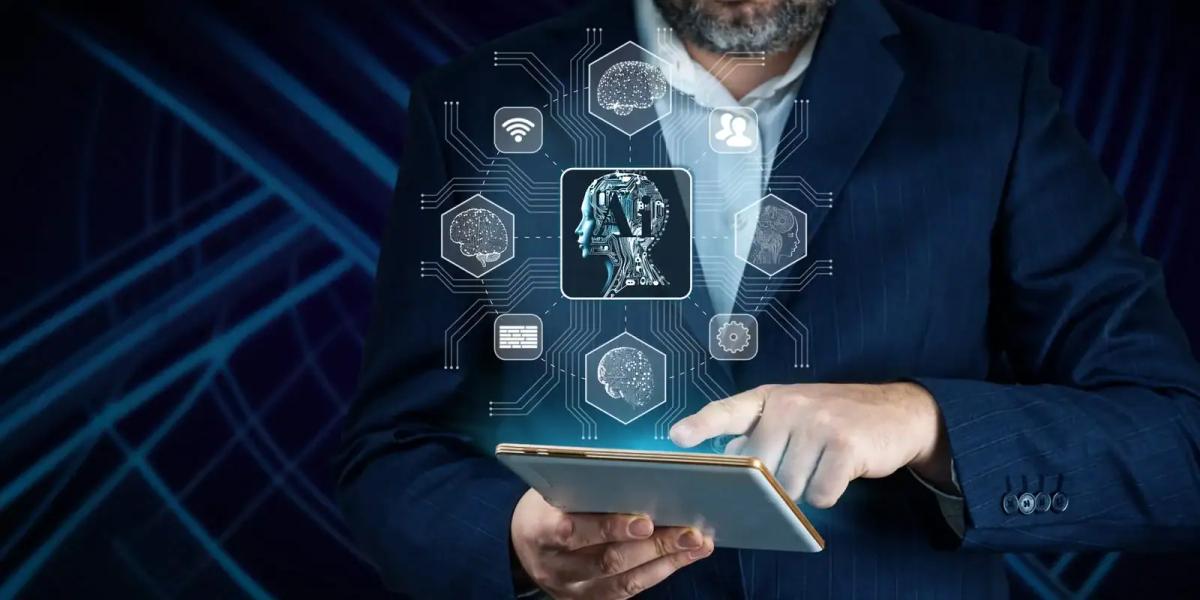
The full potential of intelligent automation is realized when AI and IoT work seamlessly together. IoT devices continuously provide comprehensive real-time data to AI models, which analyze and interpret this information to make better decisions or automate complex processes.
An example from manufacturing: IoT sensors monitor machine conditions and environmental factors. AI analyzes this data, detects anomalies or inefficiencies, and automatically adjusts machine operations or proactively alerts maintenance teams. This integration leads to:
- Reduced downtime
- Optimized resource utilization
- Improved product quality
- Increased safety and compliance
The combination of AI and IoT enables companies to transition from reactive to proactive and even predictive control.
Case Study: AGCO Corporation's Intelligent Automation Journey
A leading example of reshaping intelligent automation through AI and IoT comes from agriculture. The AGCO Corporation, a global leader in agricultural machinery manufacturing, leverages these technologies to optimize agricultural operations and equipment performance.
AGCO integrates IoT sensors into its machines to collect data on machine conditions, usage patterns, and environmental factors. AI systems analyze this data to provide farmers with predictive maintenance alerts, optimize machine settings based on real-time conditions, and improve fuel efficiency.
The result is smarter agricultural equipment that not only boosts productivity but also reduces operating costs and environmental impact. AGCO's innovative use of AI and IoT demonstrates how intelligent automation is transforming even traditional industries.
Benefits of Intelligent Automation with AI and IoT
Companies that adopt AI and IoT-powered automation benefit from numerous advantages, including:
- Improved efficiency: Automation optimizes operations, reduces manual interventions, and accelerates processes.
- Cost savings: Predictive maintenance and optimized resource utilization reduce expenses for downtime and waste.
- Higher accuracy: AI-driven decisions minimize human errors and increase consistency.
- Scalability: Intelligent automation adapts to growing or changing business needs.
- Enhanced customer experience: Faster and more reliable operations enhance service quality and customer satisfaction.
These benefits apply across industries – from manufacturing to logistics to healthcare and smart cities.
Challenges and Key Considerations
Despite the great potential, AI and IoT in intelligent automation also bring challenges:
- Data security and privacy: Increased connectivity requires robust cybersecurity measures.
- Integration complexity: Combining existing legacy systems with new AI and IoT platforms can be technically challenging.
- Initial investments: Implementing intelligent automation requires investments in technology and training.
- Change management: Employees need support to adapt to new ways of working and roles.
Careful planning and a strategic approach help successfully overcome these challenges.
The Future of Intelligent Automation
In the future, intelligent automation with AI and IoT will be further developed through advances in edge computing, 5G connectivity, and augmented reality. These technologies enable faster data processing, more sophisticated decision-making, and more intensive collaboration between humans and machines.
Companies that invest in these technologies and foster an innovation-friendly culture will succeed in a world where intelligent automation is central to competition.