Gain Insights: The Power of IoT Data Visualization
IoT data visualization transforms complex data streams into clear insights, enhancing efficiency and decision quality.

Imagine trying to read a 1000-page book in an almost foreign language—a jumble of characters with no clear meaning. This is just as challenging as interpreting IoT data without suitable visualization tools: complex, confusing, and hard to access. IoT devices capture enormous amounts of data every second—from temperature fluctuations and machine vibrations to movement patterns in the supply chain and production cycles. A true flood of information.
But here's the challenge: raw data is only valuable when it is made readable, understandable, and usable. Unstructured data is merely digital fragments without context. This is where IoT data visualization comes in—it transforms the apparent chaos into clear, actionable insights. It is the tool that makes IoT data tangible, comparable to a modern "Rosetta Stone" or a "Google Translator" for the digital world.
According to Statista, the global amount of IoT data is expected to exceed 79 zettabytes by 2025. Without powerful visualization tools, this massive data flood remains an untapped potential. With the right tools, however, it becomes a valuable source of information that enables new insights and strategic advantages.

What is Data Visualization in IoT?
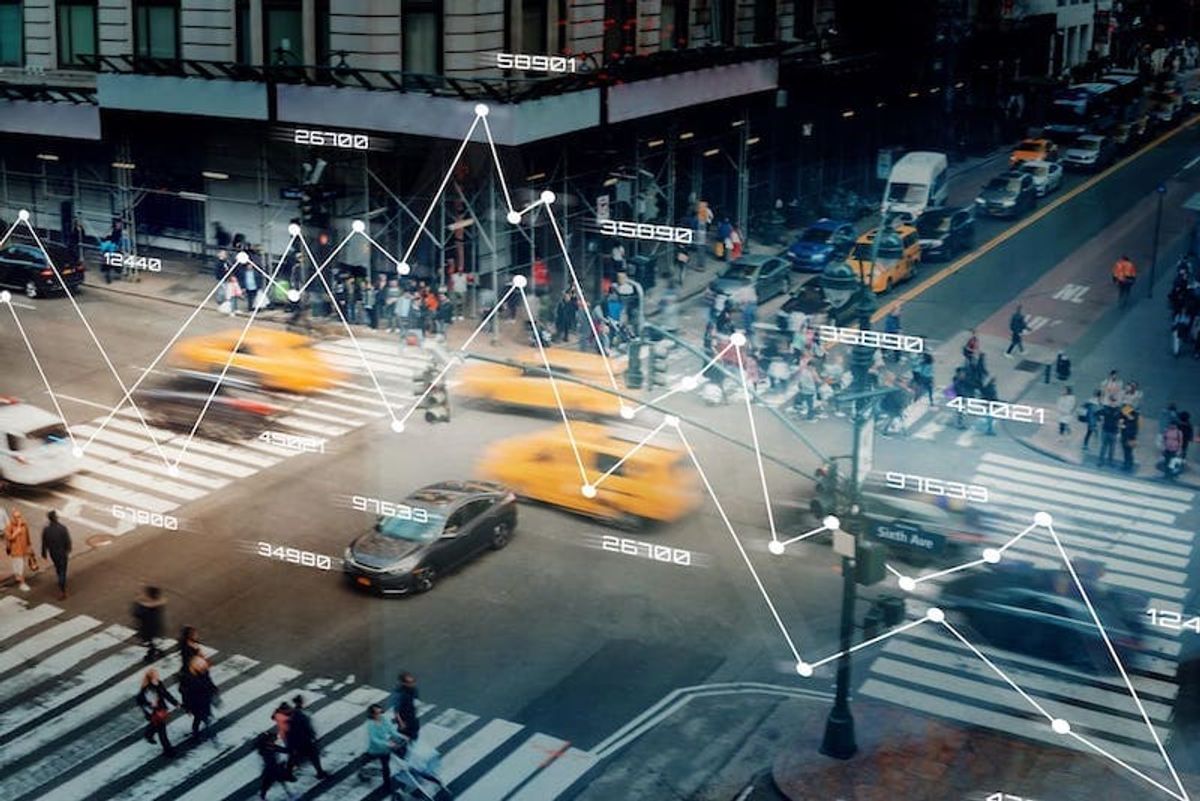
IoT data visualization acts as a powerful lens that brings the complex and often overwhelming IoT ecosystem into sharp focus. It translates chaotic data streams into understandable representations—from charts and graphs to interactive dashboards. This allows companies to identify patterns, trends, and anomalies that would have remained hidden in the raw data flood.
Making Complex Data Sets Understandable
IoT data can quickly become overwhelming, especially when numerous devices generate thousands of data points simultaneously. Visualization tools enable efficient navigation through these data volumes and highlight the most relevant information. For example, Microsoft Azure IoT Hub uses intuitive dashboards to display sensor data, allowing users to capture device states, production rates, and supply chain movements at a glance.
Challenges in Interpreting IoT Data
Without suitable visualization, deciphering IoT data is like trying to read hieroglyphs without a reference—without knowing you're even dealing with a foreign language. Different data sources, inconsistent formats, and the sheer volume of data can make meaningful analysis difficult. Tools like Tableau and Power BI enable structured data preparation through real-time analysis and help bring order to the digital chaos.
The Importance of IoT Data Visualization for Businesses
Revolutionizing Manufacturing
In the manufacturing industry, IoT data visualization is far more than a helpful tool—it is essential. Companies like GE Digital use visualization technologies to monitor machine performance, predict maintenance needs, and optimize production processes. By detecting potential failures early, time, costs, and resources can be significantly saved.
Increasing Operational Efficiency
IoT data visualization offers far more than appealing graphics—it creates an intuitive language that enables informed decisions in real-time. Interactive dashboards provide precise updates on energy consumption, supply chain bottlenecks, or production processes. A study by McKinsey shows that effective data visualization can increase operational efficiency by up to 30% by leading companies from reactive to proactive decisions.
Key Features of IoT Data Display
Real-Time Dashboards
Modern dashboards offer minute-by-minute insights and enable immediate action. For example, if a logistics manager detects a delivery delay on a dashboard, they can take immediate measures to reroute shipments and avoid costly downtime.
Customizable Visualizations
Every company has different requirements for its data analysis. Customizable IoT data visualization solutions allow users to select exactly the metrics that are crucial for their specific business processes. Siemens MindSphere, for example, offers tailored visualization options for various industrial applications, from energy monitoring to device diagnostics.
Best Practices for IoT Data Visualization
1. Choose the Right Tools
Not every visualization tool is suitable for IoT data. Platforms like Tableau, Grafana, and Power BI are designed to process large data streams in real-time without losing performance.
2. Ensure User-Friendliness
Visualizations should be as intuitive as they are informative. Complex interfaces or dashboards overloaded with technical jargon counteract the purpose of visualization. A clear, understandable presentation is crucial.
3. Plan for Scalability
As an IoT network expands, so does the amount of data processed. Visualization solutions should be able to grow with these demands without losing efficiency. Amazon Web Services (AWS), for example, offers scalable IoT visualization solutions for companies of all sizes.
4. Avoid Data Overload
One of the biggest challenges in IoT data visualization is information overload. Too many data points at once can lead to decision paralysis. The focus should be on essential metrics, complemented by targeted alerts for critical changes.
Future Trends in IoT Data Visualization
AI-Powered Analytics
The integration of Artificial Intelligence into IoT systems will further revolutionize data visualization. AI algorithms will recognize patterns and enable predictive analytics, helping companies anticipate developments early. According to Gartner, 70% of companies plan to invest in AI-powered visualization solutions in the next three years.
Real-Time and Interactive Visualizations
Future visualization tools will be even more interactive, allowing users to adjust filters, analyze data more deeply, and even conduct simulations. This new generation of visualization not only supports informed decisions but also fosters trust in data quality.
Conclusion: Making Sense of IoT Data Through Visualization
From production facilities to logistics centers—IoT data visualization is changing the way companies operate and make decisions. By transforming raw data into understandable and actionable insights, it enables more efficient processes, cost savings, and more accurate forecasts. Companies that invest in the right tools, apply best practices, and keep an eye on future developments will not only understand IoT data—they will be able to use it as a strategic advantage.
Gain valuable insights into your company's data and processes. We offer free and non-binding consultations.