Asset Tracking in the Supply Chain: Unlock Potential & Increase ROI
Unlock the potential and ROI of your supply chain with precise asset tracking. Learn how asset tracking in the supply chain works.
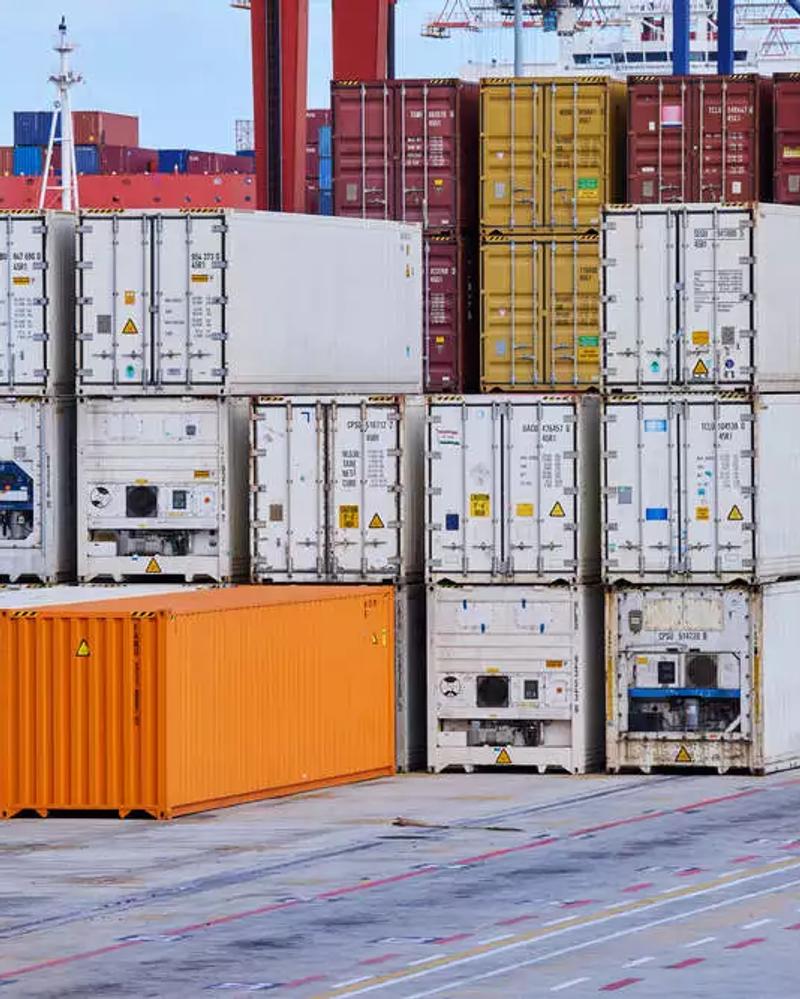
We show you how your company can improve asset tracking in the supply chain using IoT and what benefits it offers.
Asset Tracking in the Supply Chain
In this article, you will learn how integrating IoT-supported asset tracking into the supply chain can help uncover untapped potential and thus significantly increase the return on investment (ROI). Furthermore, we will specifically address how these advanced tracking solutions can enhance your operational efficiency and competitiveness.

Introduction: IoT in the Supply Chain
In the modern economy, efficient supply chain management is a critical success factor for companies. A key element is asset tracking, which involves the seamless tracking of assets throughout the entire supply chain. These assets range from physical goods such as raw materials, components, and finished products to documents.
Progress in asset tracking continues to advance through innovative technologies, and it is essential to recognize this early. The introduction of the Internet of Things (IoT) has revolutionized the way assets are tracked and managed. IoT devices enable precise and seamless real-time tracking. The ability to know the exact location and condition of each asset at any time holds enormous potential. It allows for increased efficiency, cost savings, and enhanced transparency in the supply chain.
In the next section, we will delve deeper into the use of IoT in the supply chain, highlighting all the advantages and challenges of this technology.
Building an Intelligent Supply Chain with IoT
First, we take a look at the opportunities that can arise from unlocking hidden potential through IoT. Subsequently, both immediate and indirect savings that can be realized through an intelligent supply chain with IoT will be examined.
Unlocking Hidden Potential in the Supply Chain
Hidden potential in the supply chain can primarily be unlocked by identifying underutilized assets, optimizing life cycles, and improving asset allocation. We will now explore these possibilities in more detail.
Identifying Underutilized Assets through Tracking
By using IoT, companies can gain a precise picture of how their assets are utilized over time. This includes aspects such as operating times, downtimes, frequency, and usage and maintenance intervals. The data can be used to identify patterns of underutilization. For example, the system can determine whether certain machines or vehicles are effectively utilizing their maximum capacity or if they remain unused at certain times.
Moreover, improved utilization can contribute to reducing the ecological footprint. The need for new acquisitions is minimized, and existing resources are continuously optimally utilized. This contributes to more efficient resource use overall, reduces unnecessary costs, and ultimately enhances the overall performance of the supply chain.
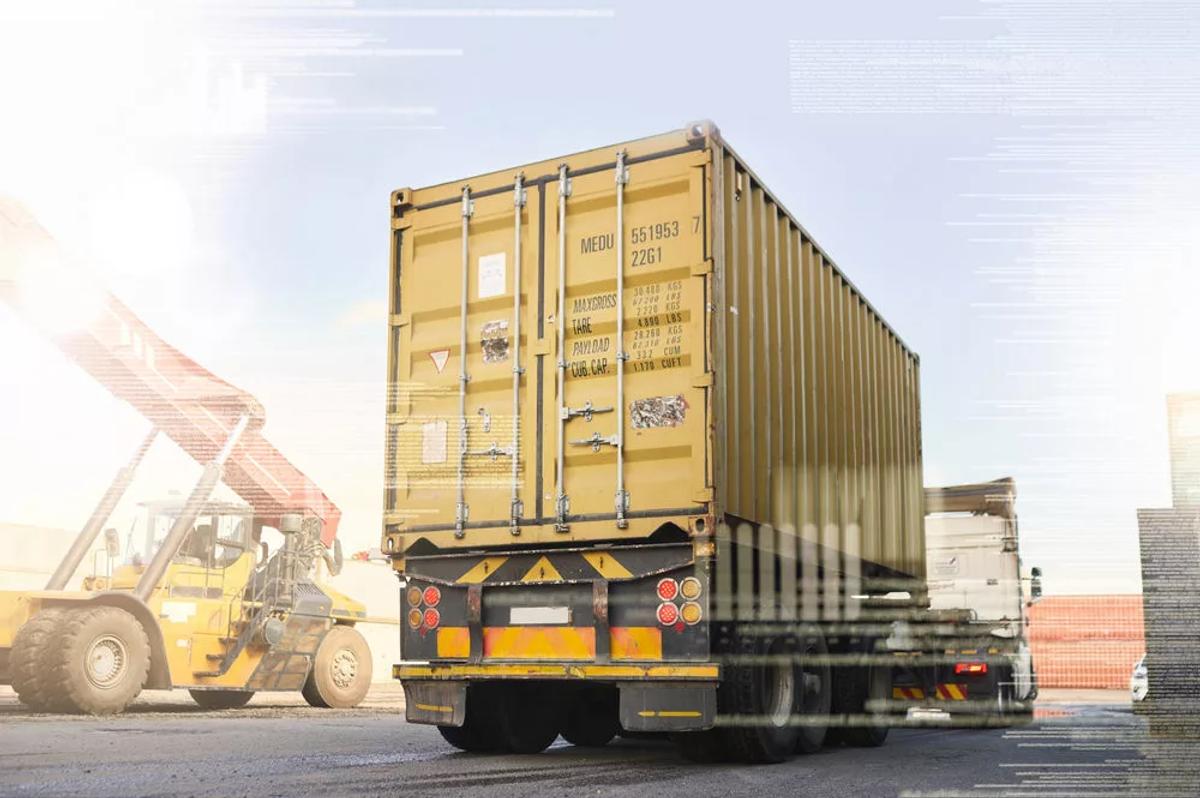
Optimizing Life Cycles and Maintenance Schedules through IoT Devices in the Supply Chain
IoT devices in the supply chain continuously capture data on the operational status and performance of assets. This data enables the identification of patterns and trends that indicate upcoming maintenance work. By employing predictive maintenance strategies, a company can use IoT applications to reduce downtime and extend the lifespan of its assets.
IoT technology allows for remote monitoring and control of assets. This means that issues can be quickly resolved without the physical presence of technicians, significantly increasing responsiveness. Regular maintenance and monitoring through IoT devices not only contribute to efficiency but also improve safety by enabling early detection of potential hazards.
Improving Asset Allocation Based on Usage Data
By analyzing usage data, companies can develop a better understanding of how demand changes over time. Based on these insights, they can update their asset allocation to ensure optimal alignment with supply and demand. Inventory costs can be reduced as only the amount of goods actually needed is stocked.
More efficient asset allocation can reduce costs by wasting fewer resources. Additionally, operational efficiency can be increased by ensuring that each asset is deployed where it is most needed.
Increasing ROI through Strategic Asset Tracking
Increasing the return on investment (ROI) through strategic tracking is an important aspect. This can be achieved through both immediate cost savings and indirect ROI optimizations. Specific savings need to be individually reviewed; some common examples are explained below.
Direct Cost Savings through Efficient Asset Tracking
- Reduction of Inventory Holding Costs: Efficient tracking enables inventory optimization, leading to a reduction in storage costs and capital commitment.
- Improved Maintenance Efficiency: Precise tracking of assets allows for more targeted and efficient planning of maintenance work, leading to savings in maintenance costs.
- Less Redundancy: Efficient use of assets reduces the need to purchase or rent additional or redundant equipment.
- Reduction of Losses and Theft: Precise tracking of assets enables companies to minimize losses and theft.
Indirect ROI Increases through Better Data and Analytics
- Increase in Productivity: Detailed insights into asset usage and performance can lead to process improvements and thus increase productivity.
- Planning and Trend Analysis: In the long term, asset tracking enables the collection of valuable data for trend analysis and future planning, contributing to continuous improvement and adaptation to market changes.
- Quality Improvement: Faster detection of quality issues leads to quicker resolution, enhancing product quality and increasing customer satisfaction.
- Facilitated Decision-Making: The detailed data collected through IoT supports informed decision-making, reducing misjudgments regarding new acquisitions and the decommissioning of assets.

Summary: The Supply Chain and IoT
Let's summarize the topic of the supply chain and IoT. By integrating IoT, previously hidden potentials such as improved utilization, optimized life cycles, and ideal asset allocation become visible. These changes have both direct and indirect impacts on the cost structure.
It is therefore crucial for companies to evaluate their current tracking processes and consider how these can be optimized through the implementation of advanced technologies. This could mean updating existing systems or introducing tailored solutions that better meet the specific requirements of your company. These measures will enhance efficiency and profitability in the supply chain. This strategic decision will sustainably increase competitiveness and return on investment in the long term.
If you, as a decision-maker in a company, have previously pursued other approaches to asset tracking, now is the optimal time to consider reorientation. It's best to lay the foundation for this today.
Read on

5 Ways to Optimize Cold Chain Logistics
Optimize your cold chain logistics with IoT. Increase efficiency, reduce costs, and ensure product safety.
Smartification in Logistics: Efficiency through Intelligent Technologies
Smartification enhances logistics efficiency with IoT, AI, automation, and data analytics – for better operations and lower costs.

How AI Transforms the Supply Chain – and Real-Time Data is a Key Component.
Artificial Intelligence revolutionizes the supply chain – but it only unfolds its full potential through real-time data.