5 Signs It's Time to Implement IoT in Your Warehouse Automation.
Enhance the efficiency of your warehouse automation with IoT. Discover 5 signs that indicate it's time for a technological revolution.

Your toaster, your coffee machine, and your Fit-Bit are smarter and more technically advanced today than a MacBook from 2005. Your smartwatch? It graduated with top honors from prestigious universities like MIT and Harvard, completed all six major marathons on its days off, and climbed Mount Everest. And all thanks to IoT solutions.
In the ever-evolving logistics and supply chain management landscape, it is essential for companies to stay one step ahead to remain competitive. It's your secret weapon. Why? Because your competitors are already doing it. It's that simple. They are becoming smarter, more efficient, and more powerful.
One of the most significant advancements in this field is the integration of the Internet of Things (IoT) into warehouse automation. This article aims to help companies recognize key signs indicating an urgent need for IoT integration in their warehouse automation efforts.
By understanding these warning signs, companies can begin to change course and leverage the benefits and transformative impact of IoT on their operations, from cost savings to efficiency improvements.
History of Warehouse Automation
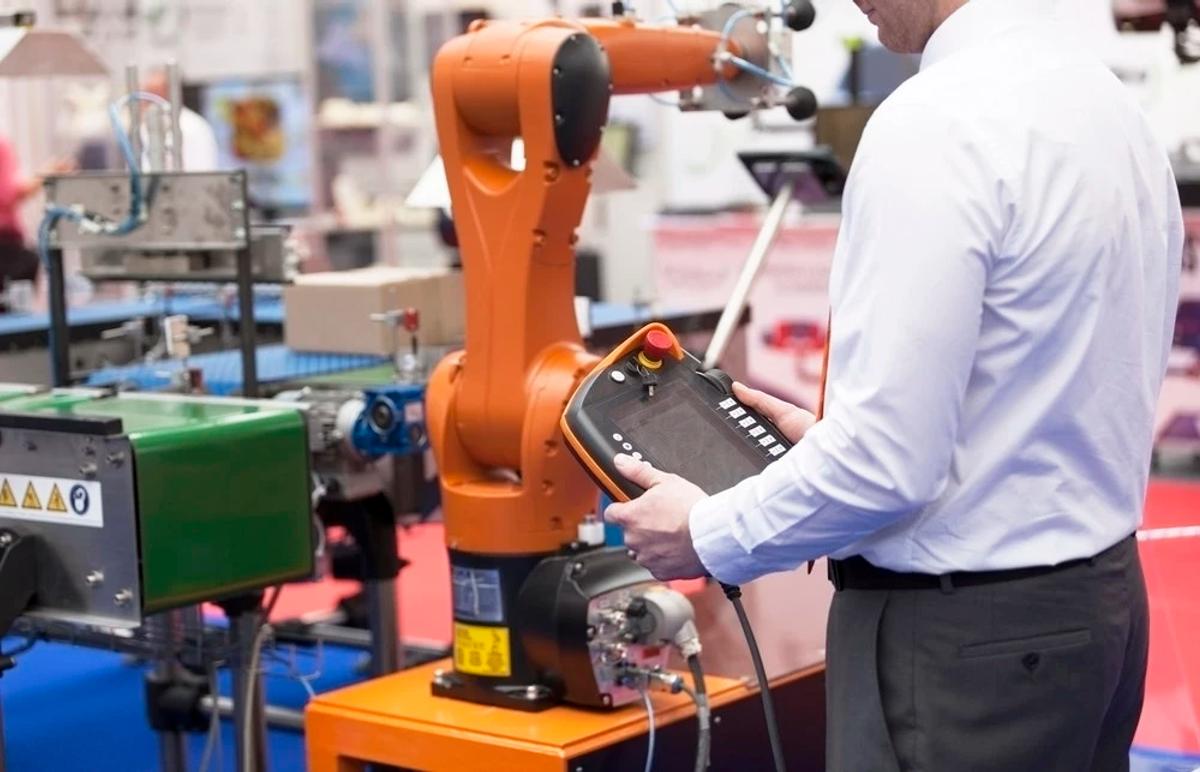
Warehouse automation has a complex, rich, and sometimes terse history that dates back to the industrial revolution. During this pivotal time in human development, the first conveyor belts revolutionized manufacturing processes. The steam engine began powering everything, and suddenly the world was turned upside down. Over the years, the importance of warehouse automation in the modern supply chain has increased.
It has changed the way we do business. And how we package, deliver, and move inventory - thanks to modern inventions like robotics, advanced telemetry, and predictive software. It enables companies to streamline operations, reduce labor costs, and improve inventory management precision.
How IoT Became a Game-Changer in Warehouse Management
Remember the toaster analogy? Well, apply that technology to all your systems. To your trucks, your containers, your software, your conveyor belts, your forklifts - and each year it becomes more advanced, competitive, and technological. Today, warehouses employ all sorts of devices - including drones, robotics, and autonomous vehicles. And each of them is a master at what they do. They are the definition of "Smart Tech".
It is a convergence of cutting-edge technologies, such as sensors, data analytics, and connectivity solutions. IoT bridges the gap between physical operations and digital intelligence, enabling warehouses to operate with unprecedented precision and efficiency. It gives them the much-needed edge to reduce redundancies and make our processes leaner and more efficient.
Benefits of IoT in Warehouse Automation
Let's talk about what IoT-driven automation can mean for your warehouse and your entire business - how you can radicalize and revolutionize your logistics.
- Real-time visibility: IoT sensors provide real-time insights into inventory and movements, reducing the risk of under- or overstocking. It allows you to plan ahead and consider special deadlines.
- Data-driven decision-making: IoT generates vast amounts of data, enabling warehouses to make informed decisions about inventory management, order fulfillment, and resource allocation. A significant advantage of IoT-generated automation is the fact that vast amounts of data are collected. From big data for error planning to data that allows you to scale your business.
- Increased efficiency: IoT-supported automation streamlines processes, reduces human error, and boosts overall efficiency. It eliminates the middleman and makes your business more reliable.
- Cost savings: By optimizing operations and reducing manual labor, IoT-supported automation solutions lead to significant cost savings. Redundancies are eliminated - and your profit margin increases.
- Scalability: IoT solutions are highly scalable, making them suitable for warehouses of any size.
5 Signs It's Time to Integrate IoT into Your Warehouse Automation
As your business evolves, so do your logistics and warehousing needs. As you generate more profits, create more opportunities, and build new business relationships, your logistics must naturally follow this process - and today, that means making your business "smart." There are five clear signs that it's time to leverage the Internet of Things for your warehouse automation:

Rising Operating Costs and Inefficiencies
Rising operating costs and inefficiencies in your warehouse are a clear indication that traditional methods are no longer sufficient. It is no longer enough to constantly rely on the HR department to find new employees or reliable drivers. IoT-driven automation can significantly reduce labor costs, minimize errors, and streamline processes, ultimately leading to cost savings.
Lack of Means to Track Inventory in Real-Time
Did you know that with IoT, you can see directly from your smartphone where the delivery is currently located? You can create business plans and negotiate deals based solely on this information. In today's fast-paced business world, it is essential to keep an eye on your inventory in real-time. If it is difficult for you to accurately and live track the movements of your inventory, IoT solutions can provide you with the data and insights you need to maintain accurate control over your inventory permanently.
Growing Challenges to Scalability
As your business grows, so does the complexity of your warehouse operations. Warehouses have evolved into complex entities encompassing various levels and departments. They are no longer traditional storage facilities for inventory. Traditional systems may struggle to keep up with growing scalability demands. IoT automation solutions are incredibly scalable. They can easily adapt to your logistics and platform.
Security Concerns and Faulty Asset Management
10% of your inventory will "disappear" this year - studies have shown that the most likely culprits are your own employees. At the very least, they take things home. It's not just about your tangible and physical assets, but also those in your digital systems. Security breaches and poor asset management can cost your business dearly, not only in terms of profit but also in terms of diluting your brand and intellectual property.
IoT in warehouse automation offers robust security features, including remote monitoring and alarm systems to protect your warehouse and assets. It ensures that unauthorized access is detected and addressed immediately.
Difficulties in Predictive Maintenance
If your equipment and machinery frequently break down or require extensive maintenance, it can lead to costly downtime. If your equipment is old, in poor condition, or full of gremlins, you need IoT-enabled automation. It will truly advance your business and the way you work - and alert you when it's time for a review and adjustment. With AI-powered technology, problems will gradually disappear and become a thing of the past.
IoT-enabled predictive maintenance systems can monitor the condition of your machines in real-time - they can easily and quickly predict when maintenance is required, reducing unplanned downtime and optimizing resources.
Introduction to IoT in Warehouse Automation
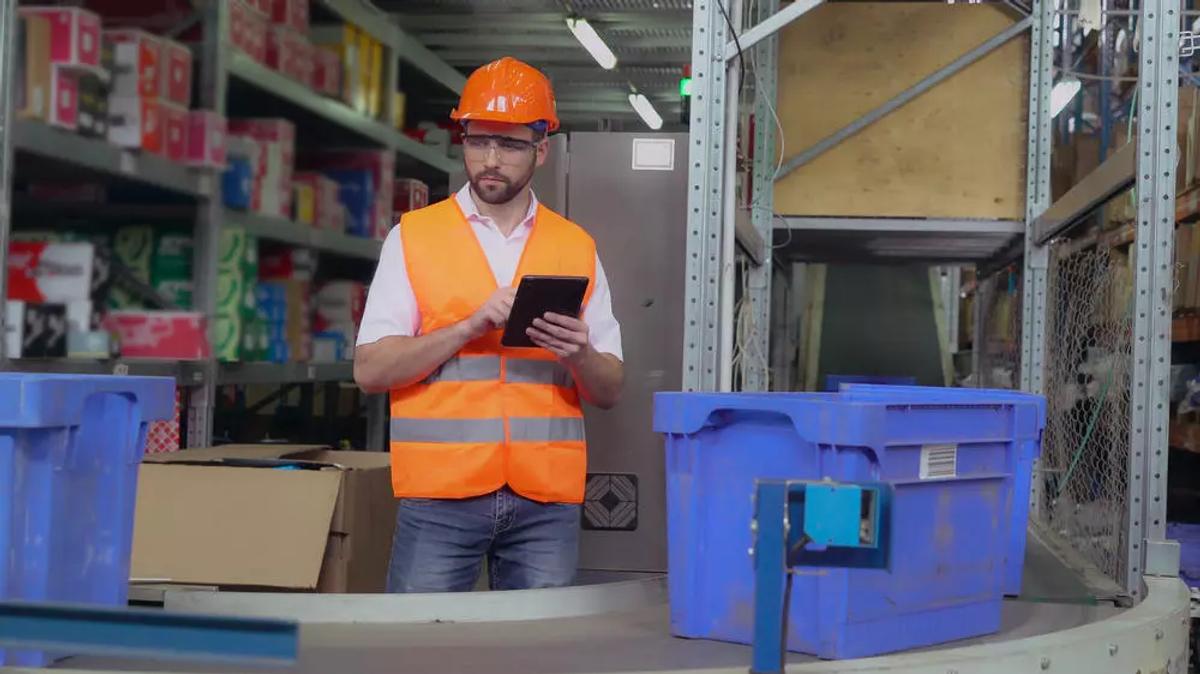
First, it is crucial to recognize the signs that it is time to deploy IoT in your warehouse automation - this is just the first step. Once this is done, we will look at some tips to help your business get started:
- Assess your requirements: Start with a thorough assessment of your warehouse processes and identify areas where IoT can bring the most benefit.
- Choose the right IoT solutions: There are various IoT solutions, choose the one that fits your specific needs and budget.
- Invest in training: Ensure your staff is adequately trained to effectively operate and maintain IoT systems.
- Test and iterate: Implement IoT solutions gradually and monitor their performance. Make adjustments as needed to optimize the impact on your processes.
- Stay informed: The world of IoT is constantly evolving. Keep up with the latest developments and emerging technologies to stay competitive.
- Partner with experts: Consider partnering with IoT experts or solution providers who can guide you through the implementation process and provide ongoing support.
IoT has rapidly established itself as a radical force for change in warehouse automation. It offers numerous benefits, including cost savings, efficiency improvements, and enhanced transparency. When companies recognize the signs of the need for IoT integration and follow the advice, they can harness the full potential of IoT technology to streamline their warehouse operations and stay ahead in the competitive landscape of modern supply chains. The introduction of IoT is not just a technical upgrade but a strategic move that can drive growth and success in today's dynamic business world.