5 Challenges in Managing Your Reusable Containers [and How to Solve Them]
Challenges in managing reusable containers and effective solutions. Maximize efficiency and save costs!
![5 Challenges in Managing Your Reusable Containers [and How to Solve Them]](https://cdn.sanity.io/images/nwmt04qi/production/2f6e82ffd8ac73734e1bcca87e37e21a318e12ba-1000x667.webp?rect=233,0,534,667&w=800&h=1000&auto=format)
In the complex network of supply chain and logistics, reusable containers play a crucial role. These reusable containers not only enable the safe transport of goods but also contribute to reducing packaging waste and thus to sustainability. However, efficiently managing these containers can be challenging.
In this article, we highlight five common issues in managing reusable containers and present practical solutions to address these challenges. Our goal is not only to optimize the efficiency of the supply chain but also to reduce costs.
The traceability and optimal use of reusable containers are crucial to ensuring smooth operations and conserving valuable resources. Nevertheless, companies repeatedly face various problems that can hinder smooth operations.
From lack of transparency to inefficient warehouse management, these challenges can impact the entire supply chain process. In the following sections, we will not only identify core problems but also present practical solutions based on modern technologies and proven approaches.
By specifically identifying and addressing these challenges, companies can not only optimize their operations but also increase their competitiveness.
The Importance of Reusable Containers in Supply Chain and Logistics
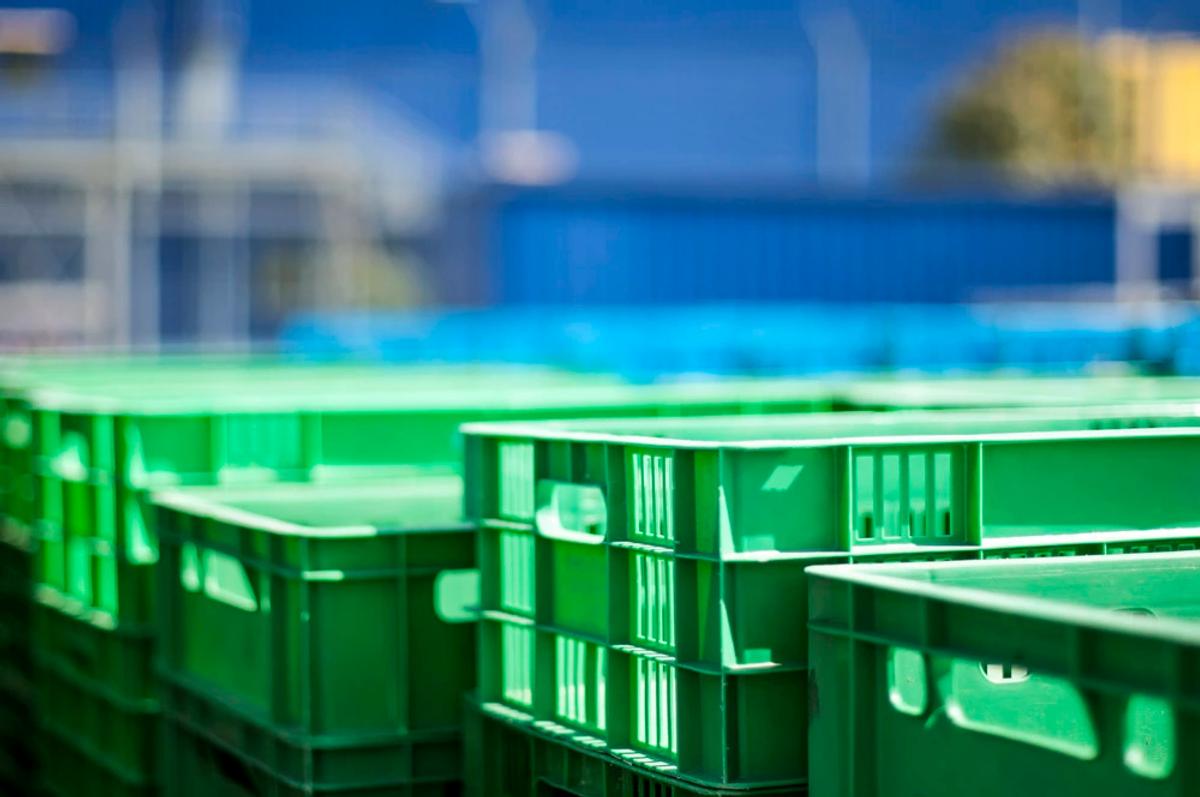
Reusable containers are an indispensable part of modern logistics and supply chains. They not only enable the safe transport of goods but also help reduce packaging waste and costs. The reuse of reusable containers minimizes environmental impact and promotes sustainability. Effective management of these containers is therefore crucial for the smooth operation of the supply chain. The use of disposable packaging often leads to significant waste and environmental impact.
This is where reusable containers come into play, offering a sustainable approach to addressing these challenges. These containers are reused at various stages of the supply chain, drastically reducing packaging waste and lowering transport costs. These cost savings can have a significant long-term impact and help companies implement more efficient and environmentally friendly practices.
Moreover, reusable containers help optimize the packaging process and facilitate the handling of goods. Their standardized dimensions allow for efficient stacking, storage, and handling, optimizing warehouse space utilization. This leads to improved operations and faster loading processes, thereby increasing the overall efficiency of the supply chain.
In an era where efficiency and sustainability are becoming increasingly important, reusable containers play a crucial role in shaping forward-looking logistics strategies. However, the importance of reusable containers goes beyond cost savings and ecological aspects.
These containers are also a symbol of responsible and forward-thinking corporate management. Companies that rely on reusable containers signal their commitment to sustainability while contributing to reducing the environmental impact of the supply chain. It is therefore undeniable that the proper management of these containers is crucial to fully leveraging their benefits and ensuring the smooth functioning of the supply chain.
Challenges in Reusable Container Management and Their Solutions
Problem 1: Lack of Real-Time Transparency
The challenge often lies in companies not having real-time information about the location and status of their reusable containers. This can lead to delays, inefficient processes, and an increased need for replacement containers. The solution lies in implementing systems for tracking reusable containers.
These systems use modern technologies such as RFID or IoT to capture the location, condition, and usage of the containers in real-time. This way, companies gain immediate access to accurate data, leading to more efficient decisions and optimized container management.
Problem 2: Inefficient Inventory Management
Inadequate inventory management can lead to bottlenecks, inefficient space utilization, and long waiting times. This is where advanced reusable container management systems come into play, utilizing predictive analytics. These systems analyze past usage patterns and provide forecasts for future needs. This allows for better inventory planning, avoiding bottlenecks, and increasing warehouse efficiency.
Problem 3: Lack of Maintenance and Damage Control
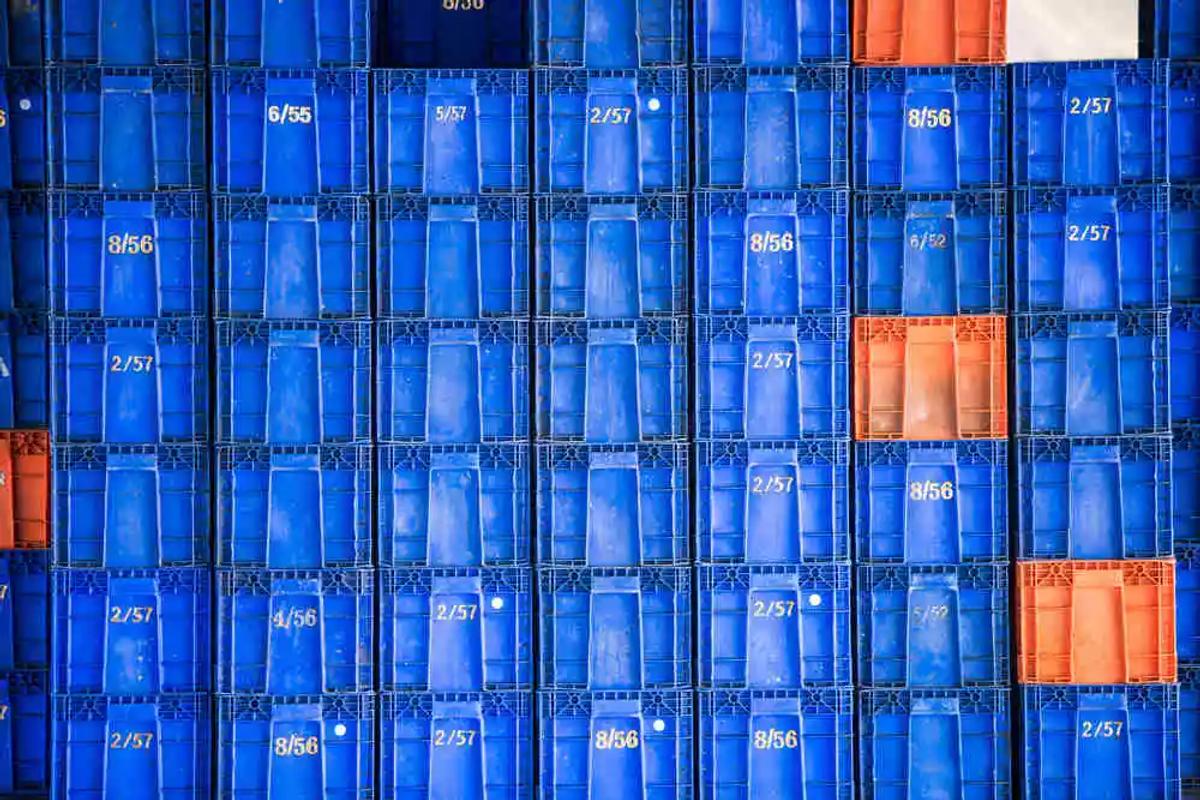
Reusable containers are constantly exposed to use and often harsh environments, leading to wear and damage. Regular audits are crucial to identify damaged containers early and remove them from circulation. Using durable materials in the manufacture of containers can increase their lifespan. Likewise, training staff in the proper handling of containers is of great importance to minimize improper handling.
Problem 4: Inadequate Reporting and Data Analysis
Traditional manual reporting is time-consuming and error-prone. Here, the integration of IoT and AI in reusable container management offers a solution. Sensors in the containers can automatically collect data and send it to a central platform. AI-based analyses then enable automated report generation and actionable insights from the collected data.
Problem 5: High Costs and Sustainability Concerns
Another issue is often the perception of high costs and sustainability concerns. The solution lies in actively promoting the use of reusable containers and investing in sustainable materials. Companies can optimize the lifecycle of containers by promoting return and reuse. This not only reduces waste but also lowers the long-term costs of procuring new containers.
Summary of Challenges and Solutions
Efficient management of reusable containers is a key factor for the smooth operation of the supply chain. The solutions presented not only offer the opportunity to optimize operations and reduce costs but also increase resource utilization and thus the efficiency of the entire supply chain.
The challenges in managing reusable containers are diverse but can be addressed through targeted strategies and modern technologies. The introduction of real-time tracking systems enables companies to keep track of the location and condition of their containers at all times, leading to faster decisions and more efficient processes. The integration of predictive analytics helps avoid warehouse bottlenecks and manage inventory according to actual needs.
Moreover, regular maintenance and damage control promote the longevity of containers, minimize waste, and extend their useful life. The use of IoT and AI for reporting and data analysis brings automation to this area, saving time and resources while providing insights for informed decisions.
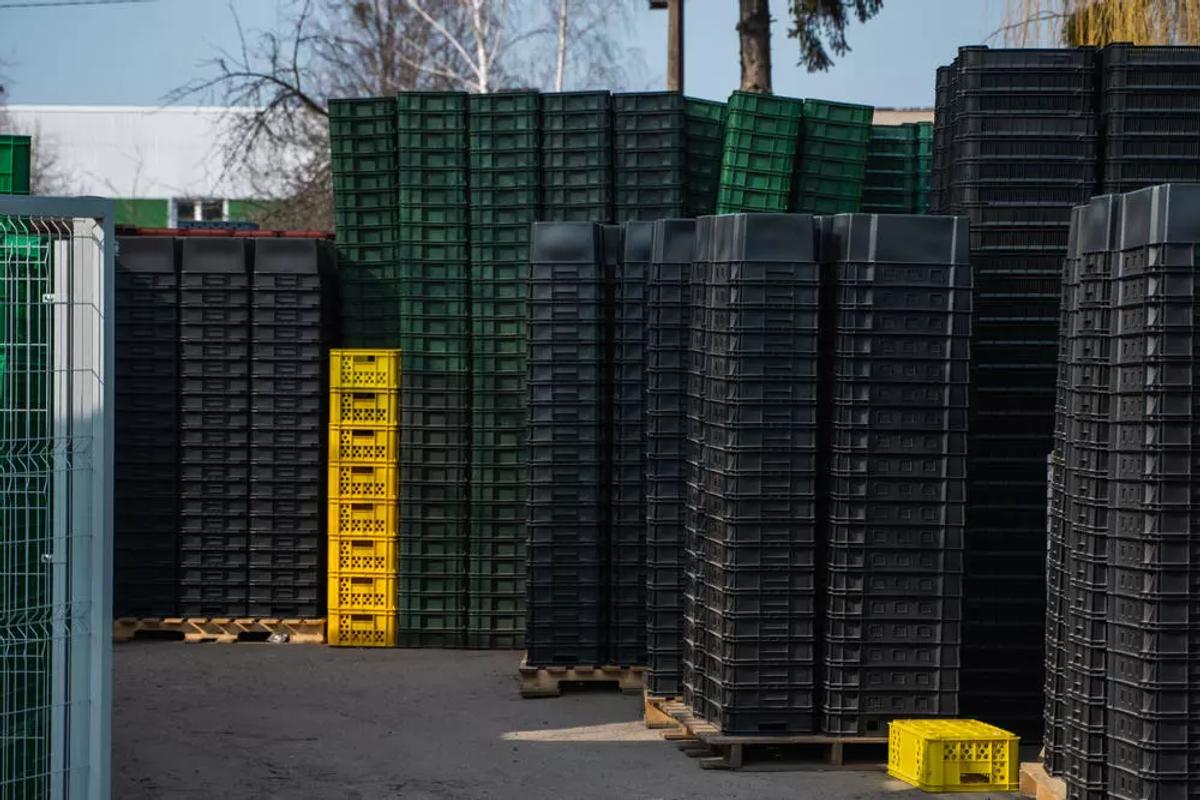
The use of sustainable materials and the promotion of the reuse principle not only contribute to cost reduction but also to reducing the ecological footprint. Overall, targeted management of reusable containers not only addresses current challenges but also creates an optimized supply chain for the future.
The practice of efficiently managing reusable containers goes beyond merely tracking goods. It is about optimizing the entire supply chain, maximizing resources, and promoting sustainability. Companies that recognize and proactively address these challenges will not only be able to reduce costs but also enhance the performance of their supply chain and ultimately have a positive impact on their overall business balance.
Conclusion
Addressing the challenges in reusable container management through strategic solutions not only leads to smoother operations and cost savings but also optimizes asset utilization and leads to higher supply chain efficiency. Effective management of reusable containers is essential for companies aiming for an efficient, sustainable, and cost-effective supply chain.
By integrating real-time tracking systems, predictive analytics, maintenance strategies, and technologies such as IoT and AI, companies can not only overcome the challenges of reusable container management but also enhance the performance of their supply chain. The use of reusable containers as part of a comprehensive logistics strategy enables companies to optimally utilize their resources and achieve their sustainability goals.