Why an IoT Monitoring System is Indispensable for Modern Supply Chain Management
Learn how an IoT monitoring system improves transparency, efficiency, and decision-making throughout the entire supply chain.
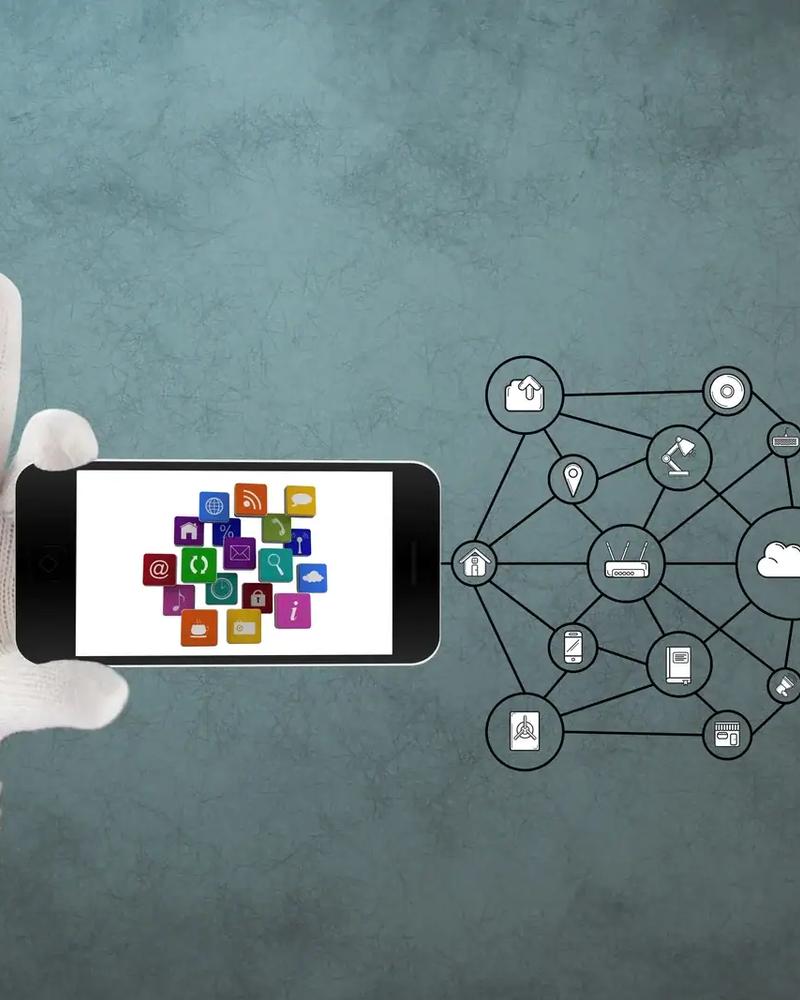
The Internet of Things (IoT) has profoundly impacted nearly every industry – and supply chain management is no exception. By connecting devices, systems, and sensors, companies gain the ability to monitor their processes in real-time and thus manage them more efficiently.
IoT monitoring systems offer an intelligent and powerful solution to make operational processes transparent: from inventory management to transportation and monitoring of equipment conditions and environmental factors. They provide the necessary transparency to confidently manage even highly complex and globalized supply chains.
In light of increasing demands and growing complexity, IoT solutions become an indispensable tool to avoid disruptions, enhance efficiency, and make informed decisions. Relying solely on traditional methods risks falling behind. In contrast, IoT monitoring systems provide companies with the agility needed to remain competitive in dynamic markets.
What is an IoT Monitoring System?
Definition of IoT Monitoring Systems
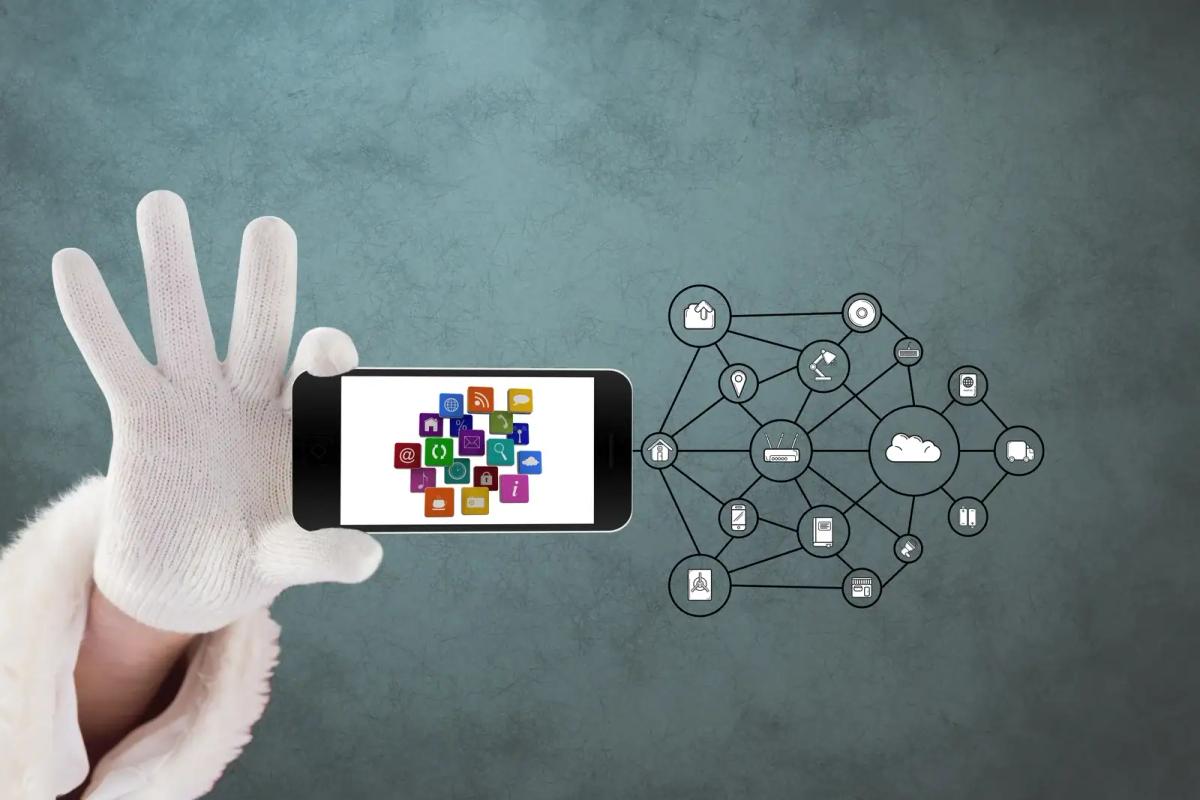
An IoT monitoring system is understood as a network of sensors, devices, and software that collectively capture, transmit, and analyze data in real-time. Companies can monitor all elements of the supply chain – from inventory to transportation – regardless of location.
Central to this is the continuous data collection by devices such as GPS trackers, temperature sensors, or RFID tags. This information is forwarded to central platforms, analyzed there, and prepared as a basis for decision-making.
The seamless integration of hardware and software creates a connected ecosystem that enables transparency in all process steps. Companies gain valuable insights that allow them to optimize operations and realize efficiency gains.
Key Components of an IoT Monitoring System
Such a system typically consists of several core components that work together:
- Sensors and Devices: They capture data on location, temperature, humidity, or movement.
- Cloud Platforms: Here, data is stored, processed, and made available for real-time access.
- Data Analysis: Algorithms evaluate information and provide concrete recommendations for action.
- Communication Networks: They ensure secure and reliable data transfer between devices and platforms.
Together, these elements form a closed monitoring system that enables continuous control and optimization of the supply chain in real-time.
How IoT Monitoring Systems Work in Supply Chains
The functionality is clearly structured: Sensors continuously capture data, which is then transmitted to cloud platforms. There, it is analyzed, condensed, and translated into concrete insights.
Companies can, for example, monitor the location and condition of shipments, track machine performance, or control climatic conditions during transport. If irregularities such as delays, temperature fluctuations, or defects occur, alerts are triggered immediately. This allows problems to be proactively resolved before they cause major disruptions.
Why an IoT Monitoring System is Indispensable for Supply Chain Management
1. Real-Time Tracking and Visibility
One of the greatest advantages of IoT monitoring systems is their ability to provide complete transparency and real-time insights into the supply chain. Companies can monitor assets, shipments, and inventories at any time, allowing them to respond to issues before they escalate.
Real-Time Tracking of Locations and Inventories
With IoT technologies, inventories and movable assets can be continuously and accurately tracked. Companies thus always have up-to-date information on location, condition, and availability. Error-prone manual processes are replaced, increasing both the accuracy of inventory data and planning capability.
Improved Decision-Making with Instant Data
Immediate access to current data gives companies the opportunity to make well-informed decisions quickly, even in dynamic situations – for example, when a shipment needs to be rerouted or inventory adjusted. This agility helps minimize risks and ensure smooth operations.
2. Enhanced Operational Efficiency
Another key benefit lies in increased efficiency. By automating manual tasks and analyzing real-time data, IoT monitoring systems help streamline processes, identify inefficiencies, and reduce sources of error.
Automation of Key Processes
Many time-consuming routine tasks such as inventory management, order processing, or route planning can be automated using IoT data. This reduces the need for manual intervention, streamlines processes, and significantly shortens processing times. At the same time, human errors are reduced.
Reducing Delays and Increasing Throughput
Bottlenecks and delays in the supply chain can be detected early through continuous monitoring. Companies can take targeted action before problems escalate. The result is higher throughput, on-time deliveries, and overall more stable performance – with positive impacts on costs and customer satisfaction.
3. Increased Transparency and Traceability
Transparency is a key factor for trust and reliability in the supply chain. IoT monitoring systems make all processes visible, creating a high level of control and accountability.
Visibility Across All Stages
From procurement to final delivery, companies can seamlessly track every shipment, asset, and inventory with IoT. This creates security and enables consistently efficient management.
Ensuring Compliance and Accountability
IoT systems provide precise data on the status and condition of products. This allows companies not only to meet their own standards but also to ensure that suppliers and logistics partners comply with applicable regulations and quality requirements. This reduces the risk of regulatory violations while increasing the reliability of the entire supply chain.
4. Cost Reduction and Optimization
In addition to efficiency gains, IoT monitoring systems significantly contribute to cost control. With more precise data and greater transparency, resources can be optimally utilized, waste avoided, and processes continuously improved.
Avoiding Waste and Losses
Inventories and quantities are continuously monitored, reducing both overstock and stockouts. Deviations or losses – whether during transport or handling – are immediately detected. This helps avoid unnecessary costs and increase profitability.
Optimization of Resource Utilization
Whether personnel, transport vehicles, or storage space – IoT data provides the basis for targeted allocation. Companies can use resources more efficiently, saving costs and better utilizing capacities.
5. Increasing Customer Satisfaction
Customer satisfaction is a crucial competitive factor – and IoT monitoring systems make a significant contribution here. They enable reliable delivery times, transparent communication, and an overall better customer experience.
Accurate Delivery Forecasts and Higher Punctuality
With precise real-time data, companies can provide realistic delivery times and meet them. Delays are minimized, strengthening trust in delivery performance.
Real-Time Notifications for Customers
End customers benefit from proactive updates on the status and expected delivery time of their orders. This transparency builds trust, improves communication, and sustainably increases satisfaction.
The Role of IoT Remote Monitoring Systems in Supply Chain Management
1. Remote Monitoring of Assets
Remote IoT systems make it possible to continuously monitor the condition and location of assets, regardless of where they are located.
Monitoring at Multiple Locations
Companies gain a holistic overview of their supply chain operations, even if they are geographically dispersed. Whether production sites, warehouses, or transport vehicles – all assets are visible in real-time. This allows those responsible to check at any time whether processes are running as planned and to react immediately if deviations occur.
Ensuring Secure Shipments
Another advantage is the monitoring of security-relevant parameters. Remote systems detect temperature fluctuations, humidity changes, or unusual movements that could indicate tampering or theft. Real-time alerts allow immediate countermeasures to be taken, ensuring the integrity of shipments throughout the transport chain.
2. Predictive Maintenance and Avoidance of Downtime
In addition to asset tracking, remote IoT systems also offer significant benefits in the maintenance of machines and equipment.
Real-Time Condition Monitoring
Sensors continuously capture performance and condition data from machines, vehicles, or storage units. Based on this information, patterns can be identified that indicate emerging malfunctions or wear. Problems can thus be identified before they lead to major failures.
Optimization of Maintenance Schedules
The collected data allows maintenance schedules to be developed from a reactive to a predictive strategy. Instead of servicing machines at fixed intervals, companies can perform maintenance measures as needed. This not only reduces downtime and costs but also extends the lifespan of equipment and increases its reliability.
3. Enhanced Risk Management Functions
Remote IoT systems also make a significant contribution to risk management. Through comprehensive data collection, risks can be identified early and proactively addressed.
Early Detection and Real-Time Risk Assessment
Companies can immediately identify disruptions such as transport delays, equipment failures, or supply bottlenecks. Continuous monitoring of relevant metrics ensures that risks do not only become visible in hindsight but are immediately apparent – and thus remain manageable.
Support for Emergency and Recovery Plans
IoT remote monitoring systems provide valuable data in crisis situations that enable a rapid response. Whether natural disasters, political events, or unexpected supply chain disruptions – companies can adjust their emergency plans based on current information, significantly mitigating the impact of disruptions.
The Future of IoT Monitoring Systems in Supply Chain Management
- Integration with AI and Machine Learning: By combining IoT with AI, trends can be predicted, processes automated, and decisions made even more data-driven.
- 5G Networks as Enablers: With the expansion of 5G, data transmission becomes faster and more reliable, enabling even broader use of IoT devices.
- Blockchain for Security and Transparency: Blockchain technologies create tamper-proof data streams that increase transparency and trust along the entire supply chain.
Conclusion
IoT monitoring systems are far more than a technical add-on – they are a strategic key to the success of modern supply chains. They increase transparency, enhance efficiency, and provide companies with the flexibility needed to thrive in a volatile environment.
With features such as real-time tracking, automated processes, precise resource planning, and proactive risk minimization, IoT systems not only support operational excellence but also improve the customer experience. Companies that invest in these technologies now secure a sustainable competitive advantage and are optimally prepared for future challenges.
Talk to us – we will show you how easy Asset Tracking can be today.