Understanding IoT Modules: A Complete Guide
IoT modules are crucial for connected devices. This guide helps you choose the right modules for efficient and scalable IoT systems.
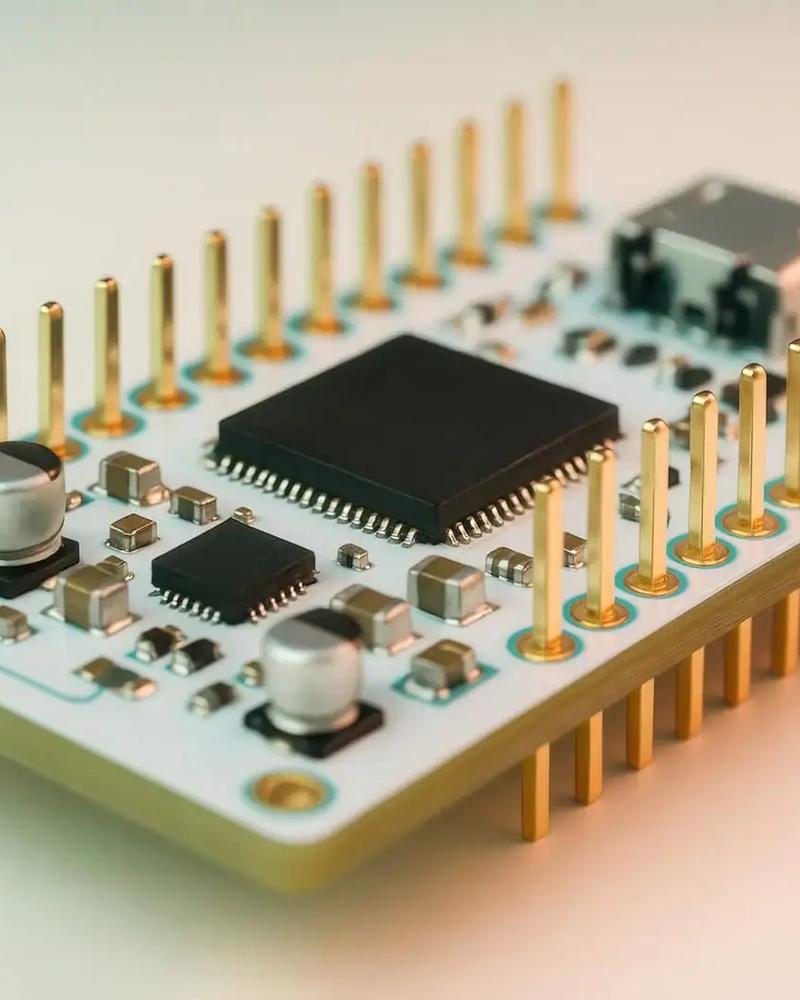
Every second, billions of devices worldwide quietly communicate with each other—they share data, trigger actions, and make decisions without human intervention. Behind this invisible network of connected intelligence lies a critical component that most people never see: the IoT module. Whether it's a warehouse monitoring system tracking inventory in real-time, a smart thermostat adjusting the temperature, or an industrial sensor preventing equipment failures—IoT modules are the unsung heroes making it all possible. However, choosing the wrong module can mean the difference between a successful implementation and a costly mistake.
According to IoT Analytics, the number of connected IoT devices is expected to rise to 29.7 billion by 2027, up from 16.7 billion in 2023. This explosive growth underscores the critical importance of understanding IoT modules.
What are IoT modules and why are they important?
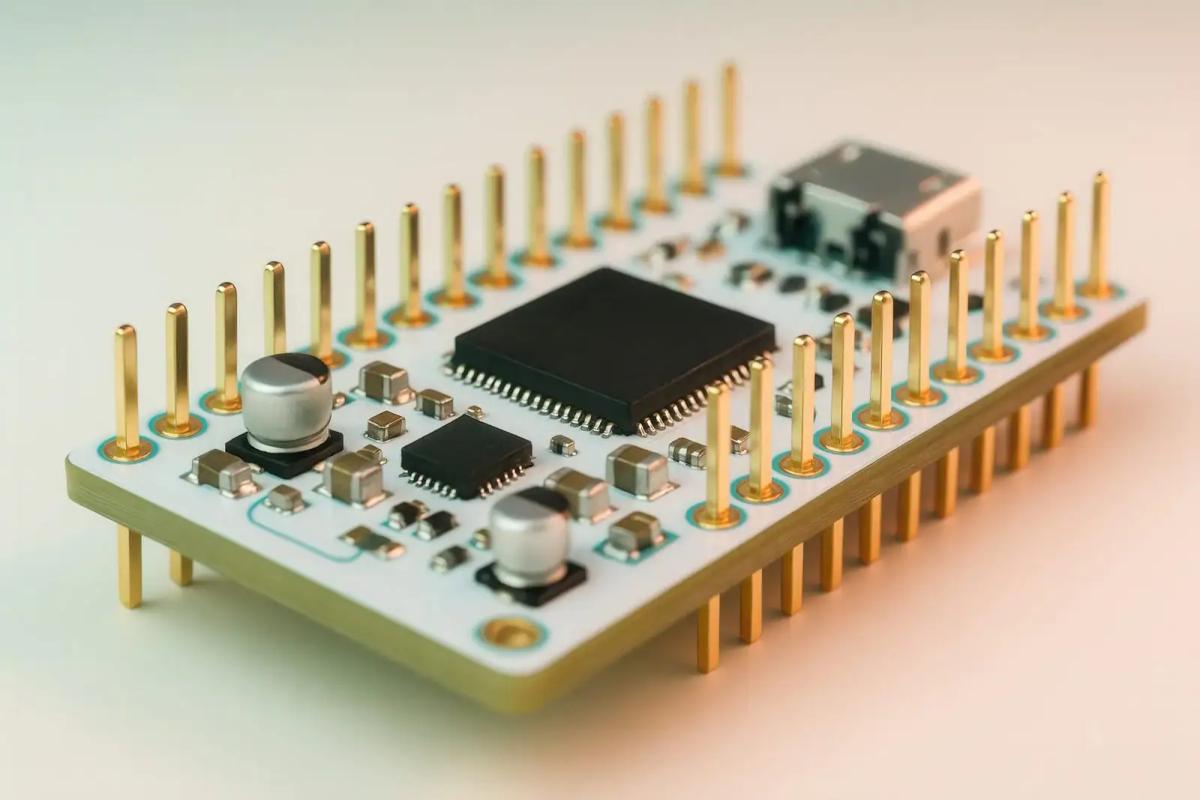
IoT modules are specialized hardware components that enable devices to connect, communicate, and exchange data within the Internet of Things ecosystem. They act as the communication brain of every IoT device, handling complex tasks such as network connections, data transmission, information processing, and power management.
These compact yet powerful components serve as an essential bridge between physical devices and digital networks. Without IoT modules, a temperature sensor would be just a standalone device with no way to share its readings, a GPS tracker couldn't report location data, and industrial equipment would remain isolated from monitoring systems.
The importance of IoT modules extends far beyond simple connectivity:
- Real-time data collection: Enable continuous monitoring of remote locations
- Automated responses: Support intelligent systems that react to changing conditions
- Predictive maintenance: Enable anomaly detection before failures occur
- Scalable systems: Form the backbone for expanding from dozens to thousands of endpoints
In manufacturing facilities, they monitor production lines, in healthcare settings, they track medical devices, and in logistics operations, they provide transparency over cross-continental supply chains.
Types of IoT Modules
Communication Modules
Communication modules form the foundation of any IoT implementation by enabling devices to transmit and receive data over various network types.
Wi-Fi Modules offer high-speed connectivity in environments with existing wireless infrastructure. They are excellent for applications requiring significant data bandwidth, such as video streaming or frequent large file transfers. However, their higher power consumption makes them less suitable for battery-powered devices in remote locations.
Bluetooth Modules provide energy-efficient short-range communication, ideal for consumer electronics, wearable devices, and applications where devices communicate with nearby smartphones or Gateways. Bluetooth Low Energy (BLE) variants can operate for months or years on small batteries.
Zigbee Modules create mesh networks where devices communicate with each other, extending range and improving reliability. This technology shines in smart home applications and industrial environments.
Cellular IoT Modules provide wide-area connectivity over existing cellular networks. A Cellular IoT Module enables devices to communicate over long distances without dedicated infrastructure, making it indispensable for Asset Tracking, remote monitoring, and city-wide applications. Technologies like NB-IoT and LTE-M offer optimized solutions with lower power consumption.
Sensor Modules
Sensor modules collect the physical data that give IoT systems their intelligence:
- Temperature and humidity sensors: Monitor environmental conditions in warehouses, greenhouses, and data centers
- Motion and proximity sensors: Detect movement and presence for security systems and smart buildings
- Pressure and force sensors: Measure physical stresses on equipment and enable predictive maintenance
Power Management Modules
Power management determines how long IoT devices can operate independently.
- Energy-harvesting modules utilize ambient energy from solar panels, vibrations, or heat sources, extending device life or eliminating battery changes entirely under favorable conditions.
- Battery management modules optimize charging cycles, prevent over-discharge damage, and extend battery life through intelligent power regulation.
Processing and Control Modules
- Microcontroller Units (MCUs) serve as the brain of most IoT devices, running firmware that controls sensors, manages communication, and implements application logic.
- Field-Programmable Gate Arrays (FPGAs) offer reconfigurable hardware for applications requiring high-speed processing or parallel operations. They are commonly found in Industrial IoT Modules handling complex real-time processing.
Connectivity and Gateway Modules
- IoT Gateway Modules aggregate data from multiple sensors, perform edge processing, and manage communication with cloud platforms or central systems.
- Satellite communication modules enable connectivity in areas without terrestrial network coverage, supporting applications in maritime, agriculture, mining, and remote infrastructure monitoring.
Factors in Choosing IoT Modules
Connectivity Options: Matching Technology to Application Needs
Choosing the right connectivity method requires understanding specific application requirements. Consider the distance data needs to travel, whether infrastructure already exists, how much data needs to be transmitted, and how frequently updates occur.
For Smart IoT Modules in urban environments with reliable cellular coverage, cellular connectivity might offer the simplest deployment. Applications confined to a single building could benefit from the high bandwidth of Wi-Fi. Remote locations without power or network infrastructure might require satellite communication despite higher costs.
Power Consumption: Balancing Performance and Longevity
Power consumption directly impacts maintenance costs, device reliability, and deployment feasibility. Battery-powered devices in inaccessible locations need to function for years without service.
Key considerations for power consumption:
- Analyze operating modes: Evaluate active transmission, standby, and sleep states
- Optimize duty cycle: Many IoT applications spend most of their time in low-power mode
- Consider energy harvesting: Solar panels, vibration harvesters, or thermal generators can supplement or replace batteries
- Plan battery life: Modules optimized for cyclical operation can extend battery life from months to years
Size and Form Factor: Fitting Technology into Physical Constraints
Physical dimensions are crucial in space-critical applications. Wearable health monitors, Asset Tracking tags, and sensors embedded in machinery have strict size constraints.
Smaller modules often command premium prices but enable product designs that would be impossible with larger components. However, miniaturization sometimes involves trade-offs in features, antenna performance, or heat dissipation.
Data Security: Protecting Information and Devices
Security vulnerabilities in IoT deployments can expose sensitive data, allow unauthorized access to systems, or create attack vectors on broader networks. The best IoT Modules integrate multiple layers of security.
Security featurePurposeCritical forEncrypted communicationProtects data during transmissionAll applications with sensitive informationSecure bootPrevents unauthorized firmware executionIndustrial and infrastructure applicationsHardware security elementsSecurely stores encryption keysFinance, healthcare, and high-security deploymentsOTA update capabilityEnables remote security patchesAny long-term deploymentAuthentication protocolsVerify device and server identitiesNetwork-connected applications
Scalability: Planning for Growth
Initial deployments often start small, but successful IoT projects grow rapidly. Choosing modules that scale gracefully prevents costly redesigns.
Consider whether the module's connectivity technology supports the ultimately expected device density. Zigbee mesh networks handle hundreds of devices gracefully, but Wi-Fi networks can become overwhelmed with similar numbers. Cellular modules scale well for geographically distributed devices.
Recommended IoT Modules for Specific Applications
Asset Tracking and Logistics
Asset Tracking requires wide-area connectivity, long battery life, and often GPS integration. An Asset Tracking IoT Module with integrated GNSS receivers provides comprehensive solutions for tracking vehicles, freight containers, and high-value equipment across regions. NB-IoT and LTE-M technologies offer an excellent balance between coverage, power consumption, and data transmission capabilities.
For warehouse and facility tracking with shorter ranges, Bluetooth Low Energy beacons combined with Gateway infrastructure offer cost-effective visibility without ongoing cellular data costs.

Industrial Automation and Monitoring
Industrial environments require robust modules that can operate in harsh conditions with extreme temperatures, vibrations, and electromagnetic interference. Industrial IoT Modules typically feature extended temperature ranges, rugged enclosures, and certifications for hazardous locations.
Wired connectivity options like Ethernet provide reliable, high-bandwidth connections for stationary equipment, while wireless industrial protocols like WirelessHART or ISA100 offer specialized solutions for process industries.
Smart Building and Home Automation
Building automation benefits from mesh network technologies that create resilient networks across large structures. Zigbee and Thread protocols excel in these applications, supporting hundreds of devices while maintaining low power consumption.
Environmental and Agricultural Monitoring
Remote environmental monitoring across farms, forests, or watersheds requires modules optimized for extremely long battery life and operation under challenging conditions. LoRaWAN modules offer excellent range with minimal power consumption, creating networks that span kilometers from individual Gateways.
Solar-powered solutions with battery backup enable truly autonomous sensors that can operate indefinitely in locations with sufficient sunlight.
Shaping Your Connected Future
Understanding IoT modules and their capabilities empowers businesses to make informed decisions when designing connected systems. The right module choice impacts everything from initial development costs to long-term operational efficiency and system scalability.
The landscape of available modules continues to expand as technology advances and new use cases emerge. Staying informed about emerging connectivity standards, security protocols, and integration options helps ensure your IoT strategy remains current and competitive.
For businesses ready to implement IoT solutions, partnering with experienced providers simplifies the selection and deployment process. SmartMakers offers comprehensive IoT solutions encompassing multiple connectivity options and application domains. Their portfolio includes modules optimized for Asset Tracking, industrial automation, smart buildings, and environmental monitoring, supported by technical expertise that aids in navigating the complex decisions involved in building effective IoT systems.