Smartification in Logistics: Efficiency Increase with Intelligent Technologies
Learn how IoT, AI, and automation optimize processes, reduce costs, and promote sustainability.

The logistics industry is undergoing transformation: Digital technologies are driving automation, customers expect faster and more transparent processes, and the focus on sustainability is becoming increasingly important. A key term in this development is Smartification – the intelligent networking and automation of logistics processes. But what does this mean in concrete terms? And how can companies benefit from it?
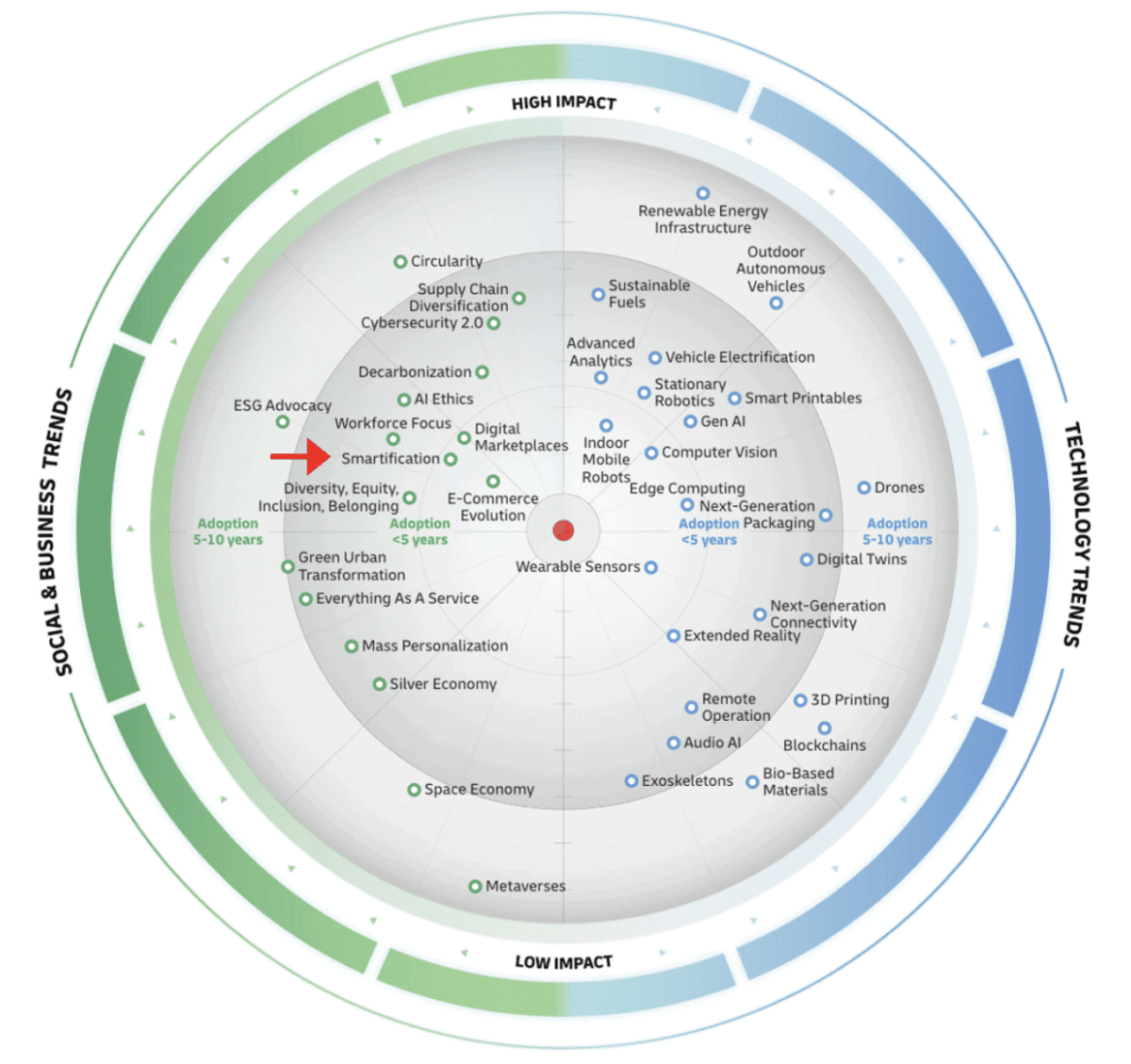
Source: DHL. The DHL Trend Radar sees Smartification as an imminent trend in society and business
What does Smartification mean in logistics?
Smartification describes the use of digital technologies such as IoT (Internet of Things), artificial intelligence (AI), machine learning, and automation, to make logistics processes smarter and more efficient. Data is collected, analyzed, and used in real-time to make informed decisions and optimize processes.
The key elements of Smartification
- IoT and real-time data processing: Sensors and connected devices continuously provide data on the status and location of goods, vehicles, and infrastructure. This enables more precise monitoring of inventory and predictive maintenance of transport vehicles.
- Automated warehousing: Advanced automation technologies such as autonomous mobile robots (AMRs) and AI-driven warehouse systems improve efficiency and reduce error rates. Intelligent shelving systems and robotics also support picking and shipping processes.
- Dynamic route planning and autonomous vehicles: AI-supported route planning systems analyze traffic data in real-time and optimize transport routes to reduce delivery times and minimize fuel consumption. Autonomous delivery vehicles and drones are promising technologies for the future of smart logistics.
- Artificial intelligence for predictive analytics: AI algorithms identify patterns in large datasets and enable forecasts for demand, inventory, and potential disruptions in the supply chain. This helps companies avoid bottlenecks and respond flexibly to market changes.
- Digital Twins for process simulations: Digital twins are virtual replicas of real logistics processes and allow companies to simulate and optimize various scenarios before implementing them in reality. This reduces risks and costs in logistics planning.
Source: DHL
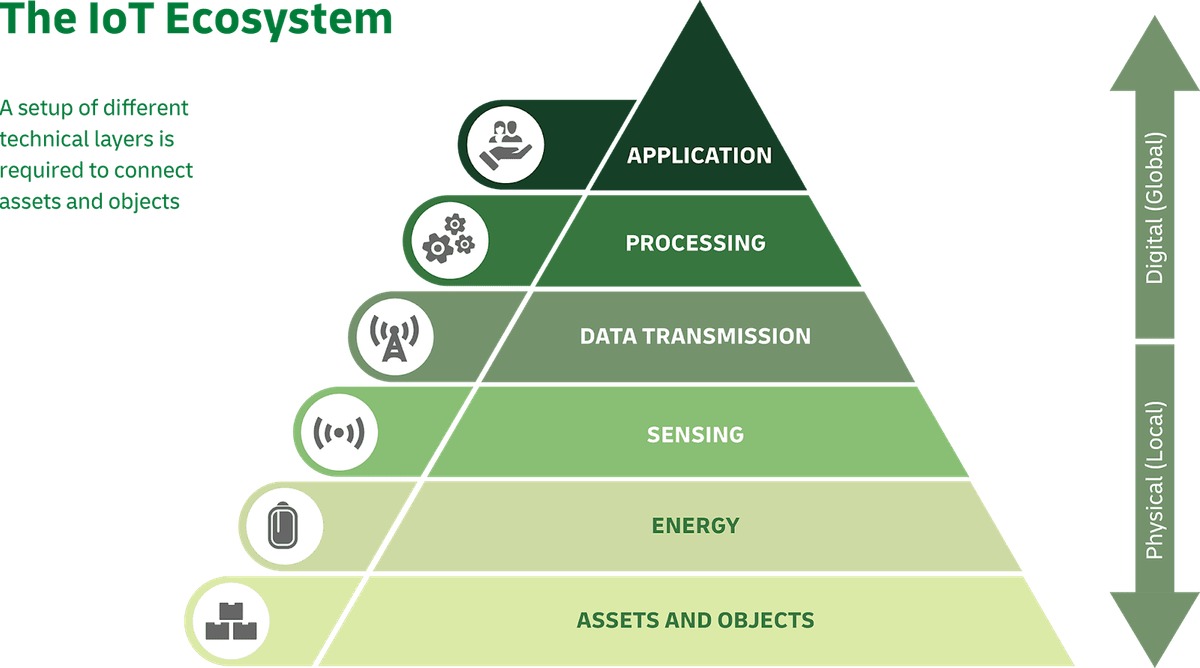
The Internet of Things as a bridge between the physical and digital world
The Internet of Things (IoT) plays a central role as a link between the physical and digital world. By using sensors, connected devices, and cloud technologies, physical objects can be monitored and controlled in real-time. This enables seamless integration of processes along the entire supply chain. From automated tracking of goods to optimizing inventory, IoT helps maximize transparency, efficiency, and responsiveness in logistics. The connection between the real world and digital platforms lays the foundation for innovative applications and enables a future-proof logistics strategy.
Benefits of Smartification for companies
- Cost savings: Optimized processes and reduced resource consumption lower operating costs.
- Efficiency increase: Automated processes and AI-supported decisions improve productivity.
- Sustainability: Intelligent route planning and optimized warehousing reduce CO2 emissions.
- Transparency and traceability: Real-time data enables seamless tracking of goods and minimizes losses.
Challenges and future prospects
Despite the numerous advantages, Smartification also brings challenges. These include investment costs, data protection concerns, and the need for close networking between the various actors in the supply chain. Companies must also ensure that their employees are adequately trained to use the new technologies efficiently.
However, Smartification will significantly shape the logistics industry in the coming years. Companies that invest early in intelligent technologies can secure a decisive competitive advantage and future-proof their supply chains.
Conclusion
The future of logistics is smart. By strategically using IoT, AI, and automation, efficiency gains, cost reductions, and sustainable improvements can be achieved. Companies should therefore thoroughly explore the possibilities of Smartification to remain competitive in the long term.
Take advantage of the benefits of smart logistics and use the Internet of Things for more efficiency in your processes!
Not sure where to start? – We offer free and non-binding advice.