Maximizing Efficiency with IoT in Field Service Management
Maximize efficiency in Field Service Management with IoT. Connected devices and predictive maintenance enhance service quality and reduce costs.
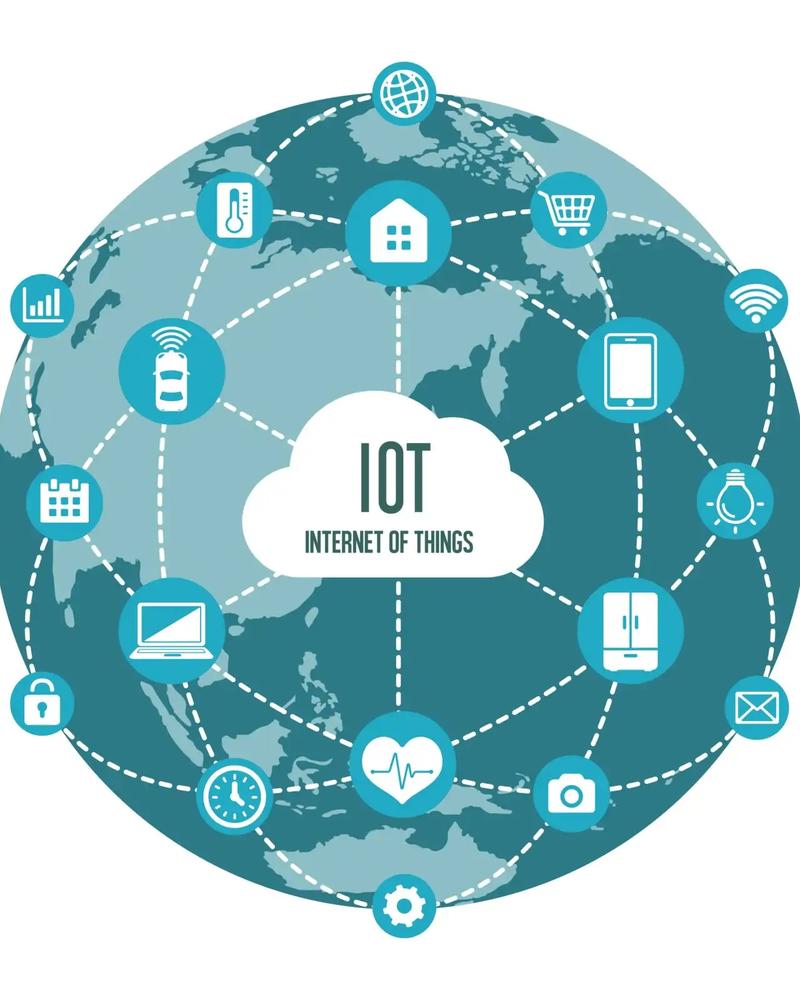
Imagine a service technician arriving at a customer's site already knowing exactly what is broken, which parts to bring, and how to fix the issue—even before stepping through the door. This is not a futuristic vision but the reality IoT is creating in Field Service Management for thousands of companies worldwide. Traditional field service operations often struggle with uninformed service calls, inefficient routes, unexpected equipment failures, and wasted technician time. However, connected sensors, smart devices, and real-time data are transforming everything, turning reactive maintenance into proactive problem-solving.
According to a report by MarketsandMarkets, the global Field Service Management market is expected to grow from USD 3.9 billion in 2023 to USD 8.9 billion by 2028, with IoT integration being a major growth driver. This increase reflects a fundamental shift in how companies approach service delivery, asset management, and customer satisfaction.
The Revolution of Connected Field Service Operations
Field Service IoT represents a fundamental departure from traditional service models. Previously, companies relied on scheduled maintenance visits, customer complaints, and manual inspections for problem identification. This reactive approach led to unnecessary service trips, emergency repairs at premium rates, and frustrated customers.
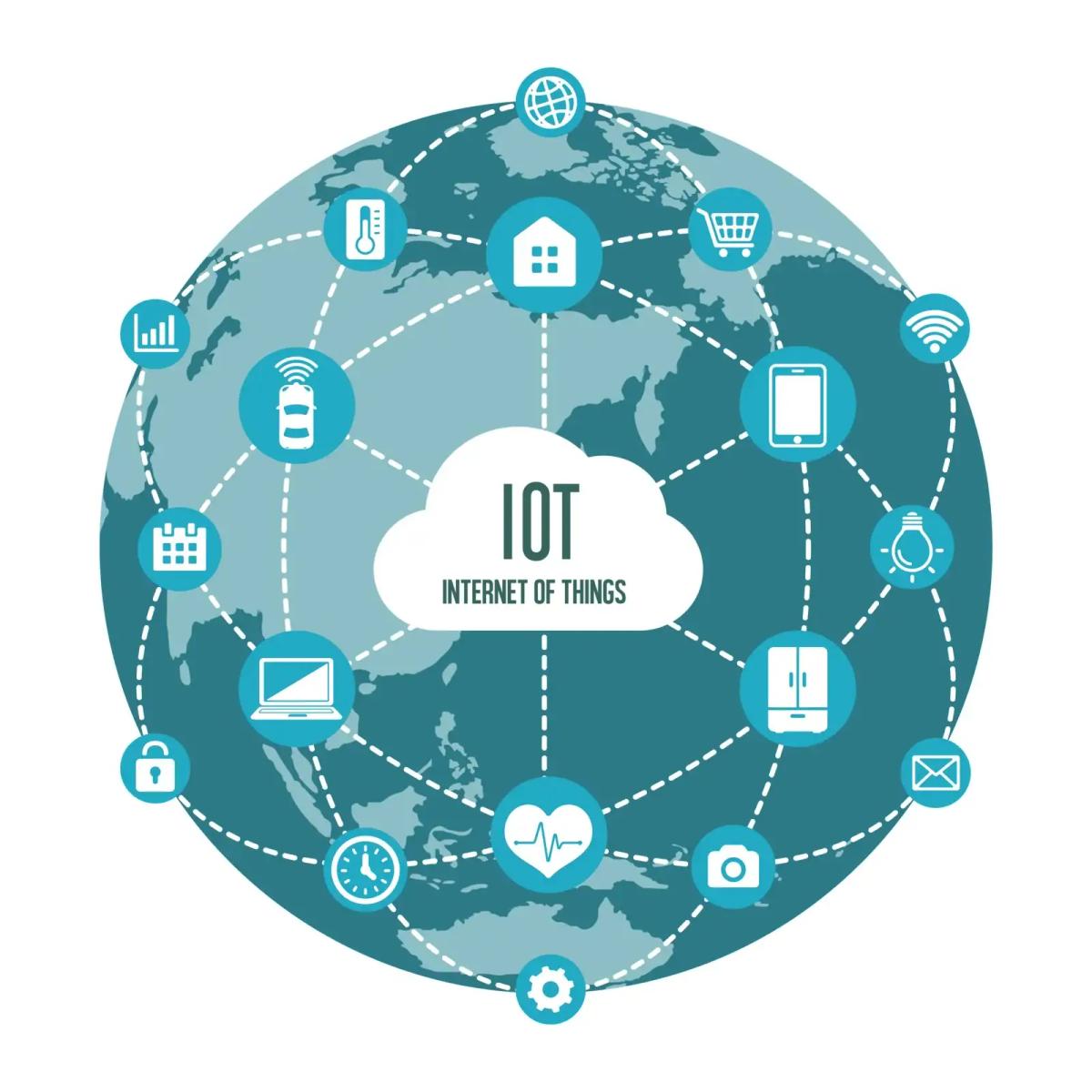
Connected devices and sensors now continuously monitor equipment performance, environmental conditions, and system status in real-time. These IoT-enabled systems collect vast amounts of operational data—temperature readings, vibration patterns, power consumption, error codes, and usage metrics—and transmit this information to central platforms where it can be analyzed immediately.
The transformation through Field Service Management IoT encompasses several critical advantages:
- Complete Asset Transparency: Service managers can monitor their entire equipment ecosystem from a single dashboard
- Prepared Technicians: Field workers receive detailed diagnostic information before departure
- Reduced Customer Disruptions: Equipment issues are resolved before they cause operational problems
- Data-Driven Decisions: Historical performance data informs strategic decisions on maintenance schedules and service strategies
Companies implementing these solutions report significant improvements in first-time fix rates, reduced mean time to repair, and higher customer satisfaction.
The Key Benefits of IoT in Field Service Management
Enhanced Efficiency through Real-Time Information
The most immediate benefit of IoT and Field Service integration is the dramatic reduction in response times and service cycle duration. When a connected HVAC system detects a faulty compressor bearing, it automatically generates a service ticket with specific error codes, historical performance data, and exact model information—before the customer notices anything.
Field technicians no longer waste time on-site diagnostics or multiple trips due to incorrect spare parts. This efficiency leads to more completed service orders per day, higher utilization rates for expensive specialists, and faster return on investment.
Predictive Maintenance: From Reactive to Proactive
Perhaps the most transformative aspect of IoT in Field Service is the shift towards predictive maintenance strategies. Traditional preventive maintenance schedules service based on calendar intervals or operating hours, regardless of the actual equipment condition.
Predictive maintenance with IoT sensors analyzes actual equipment behavior to determine when service is truly needed. Machine learning algorithms identify subtle changes in vibration, temperature, or performance that indicate developing issues.
Maintenance ApproachTimingCost ImpactDowntimeReactive (Until Failure)After BreakdownHighest Repair CostsUnplanned, DisruptivePreventive (Scheduled)Fixed Calendar IntervalsModerate, Partially UnnecessaryPlanned but FrequentPredictive (IoT-Driven)Based on Actual ConditionLowest Total CostsMinimal, Strategically Planned
By detecting these early warning signals, companies can schedule maintenance during planned downtimes rather than dealing with emergency breakdowns during critical operations. This approach reduces both direct repair costs and indirect expenses.
Remote Diagnostics and Support Capabilities
IoT-enabled field service operations create opportunities for remote problem-solving, eliminating unnecessary on-site visits entirely. Technicians can access live data from devices, perform diagnostic tests, adjust settings, and resolve certain issues without leaving the office.
Remote support also enhances knowledge sharing within service organizations. Junior technicians can consult with senior experts in real-time, access the same device data, and collaboratively walk through troubleshooting procedures, regardless of physical location.
Optimized Resource Allocation and Route Planning
Efficient field service depends on dispatching the right technician with the right resources to the right job at the right time. IoT provides the data foundation that makes intelligent resource allocation feasible.
The benefits of IoT in Field Service for resource optimization include:
- Intelligent Dispatch: Automatic work order assignment matches technician skills with job requirements
- Smart Route Planning: GPS tracking and real-time traffic data minimize travel time between service calls
- Inventory Optimization: Systems track parts usage patterns and notify technicians when needed
- Workload Balancing: Dynamic scheduling evenly distributes jobs across available staff
This optimization extends to parts inventory management across the service organization. Companies can maintain leaner inventories informed by real-time data and predictive maintenance forecasts.
Significant Cost Savings Across Operations
The financial benefits of Field Service IoT implementation compound across multiple operational areas. Proactive maintenance reduces emergency repair costs and extends equipment lifespan. Improved first-time fix rates minimize repeat visits. Better route planning reduces fuel costs and increases technician productivity.
These savings add up quickly. Companies typically report significant reductions in maintenance costs, substantial improvements in technician productivity, and significant increases in asset uptime within the first year of implementing comprehensive IoT field service platforms.
Implementation Considerations and Best Practices
Successful IoT implementation in Field Service Management requires thoughtful planning beyond merely installing sensors. Organizations must consider their existing technology infrastructure and assess whether current systems can integrate with new IoT platforms.
Key implementation steps for successful IoT adoption include:
- Start with a Pilot Program: Test technology and processes on a limited scale initially
- Prioritize Data Integration: Ensure IoT platforms seamlessly connect with existing systems
- Invest in Training: Provide comprehensive training for technicians, dispatchers, and managers
- Establish Security Protocols: Implement robust authentication, encryption, and monitoring
- Communicate with Customers: Clearly explain monitoring benefits and proactively address privacy concerns
The human element proves as crucial as the technology itself. Technicians accustomed to traditional methods need support transitioning to data-driven workflows.
The Future of IoT-Enabled Field Service
The evolution of IoT in Field Service Management continues to accelerate with emerging technologies promising even greater capabilities. The rollout of 5G networks provides the bandwidth and low latency for real-time video diagnostics, augmented reality support, and massive IoT device deployments.
Edge computing brings processing power closer to connected devices, enabling faster decision-making. Digital twin technology creates virtual replicas of physical assets, allowing organizations to simulate scenarios and test maintenance strategies in risk-free environments.
Integration with augmented reality platforms will soon enable technicians to see overlay information about equipment being serviced, highlight problem areas, and provide step-by-step repair instructions via smart glasses or mobile devices.
Taking the Next Step Forward
The evidence is clear: IoT is revolutionizing Field Service Management by maximizing efficiency, reducing operational costs, and dramatically improving service quality. Companies implementing Field Service Management IoT solutions gain competitive advantages that intensify as the technology matures.
The transformation requires commitment beyond technology purchases. Organizations must be willing to rethink traditional processes, invest in workforce development, and embrace data-driven decision-making at all levels.
For companies ready to harness these transformative benefits, partnering with experienced IoT solution providers is essential. SmartMakers offers comprehensive IoT-enabled solutions specifically designed for field service operations, combining connected sensors, intelligent analytics, and integrated service management platforms. Their expertise helps organizations navigate the complexities of IoT implementation and ensure technology investments deliver measurable returns and sustainable competitive advantages.
The future of field service is connected, intelligent, and proactive—and this future is already here for organizations ready to seize it.