LoRaWAN Range, Part 2: Range and Coverage of LoRaWAN in Practice
Discover the practical range and coverage of LoRaWAN with SmartMakers IoT, the specialist for the Internet of Things.
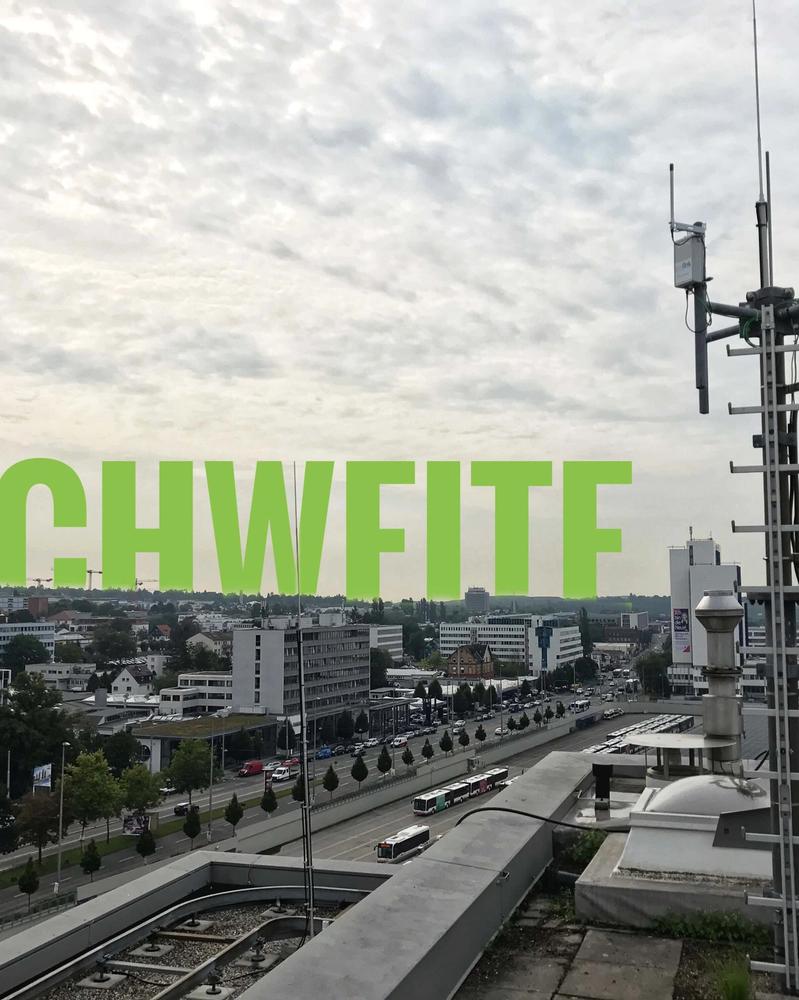
In the Part 1 “The Key Factors for Good LoRaWAN Radio Range" of our range series, we focused on the theoretical factors influencing the range of a LoRaWAN. This isolated examination of radio connections between two points is now followed in Part 2 by the practical reference. Concrete examples from real-world applications are presented and evaluated.
The special properties of LoRa, especially the low susceptibility to interference, low path loss, and very good building penetration, enable very high ranges even in urban environments. Even with modern, software-supported simulation methods, the actual range and coverage of a radio network can only be calculated to a limited extent - which applies not only to LoRa but to any radio technology. Therefore, range and penetration tests are an important tool, especially in the first phase, to better understand the behavior of radio waves in reality in different environments.
In this article, we refer to three documented tests in different scenarios:
- Urban environment: 5 different test cases
- LoRaWAN in a suburban area
- Penetration of basement rooms for reading meter data
In general, only a few experimental range tests are well documented in the literature so far.
This is complemented by three calculation models for network coverage:
- LoRa signals in forest areas
- indoors and
- underwater - admittedly very special, but still interesting, we think.
Additionally, we incorporate our own experience from previous range and penetration tests in different customer scenarios and evaluate the documented tests and calculation models. In a separate article, we will go into these results in more detail (planned publication Q1 2018).
Scenario 1: LoRaWAN in the center of a European city
Most cities for which we have data have a classic European building characteristic: Roughly described, there are only a few very tall buildings, some tall buildings, and many that are only a few stories high. These are not megacities with almost exclusively tall buildings in the city center.
In over 20 range tests in urban environments, we were able to achieve coverage of well over 10 km with exposed Gateway locations. Individual measurements will be discussed further on.
In a publication by the hardware provider Libelium, the experimental setup and the ranges achieved in Zaragoza were well documented.
Description of the experimental setup:
- These were so-called Non-Line of Sight (NLOS) connections in an urban environment
- Spreading Factor 12 (maximum range)
- maximum output power: 14 dBm
- frequency channel: 868 MHz band
- the receiving Gateway Rx was mounted on the roof at about 12 meters height
- the transmitting unit (Tx) changed position between 5 control points.
- At each point, 50 transmission attempts were made
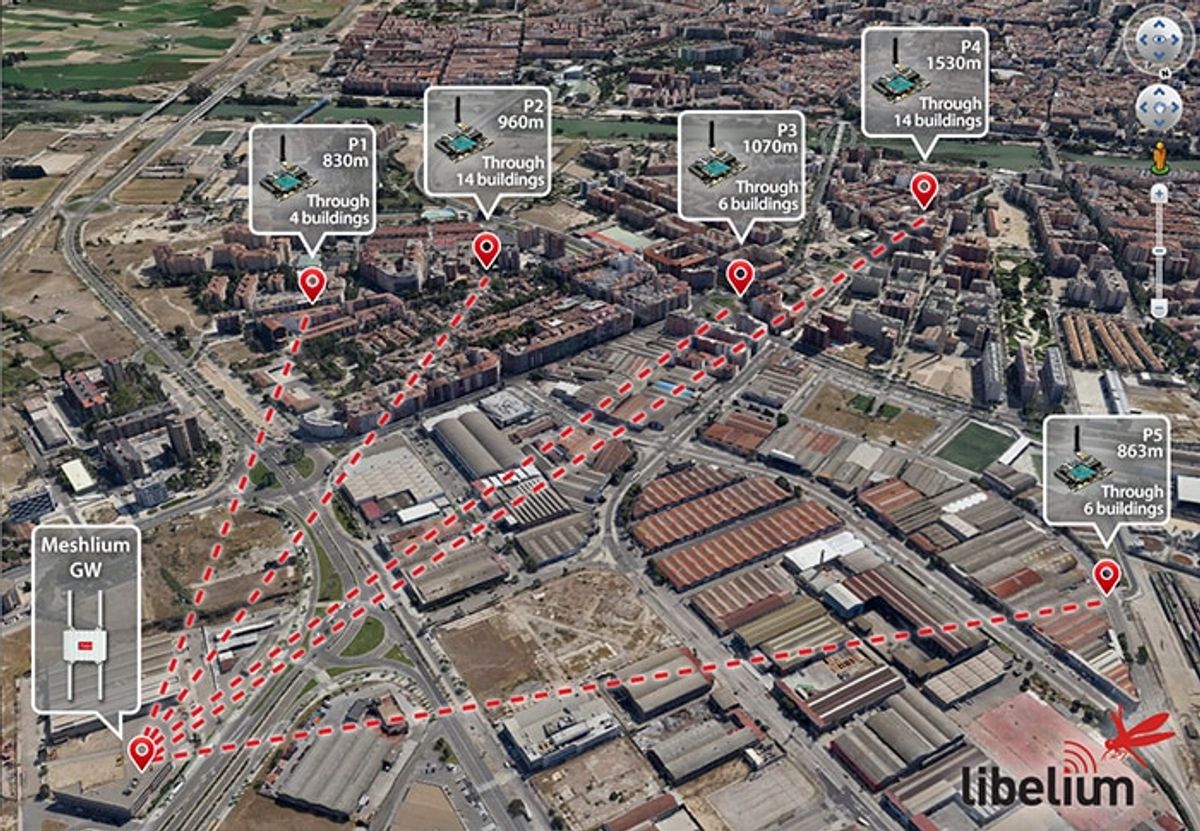
We have summarized the properties of the control points and the results of the measurement series in a list:
- Control Point 1: The signal passes through four buildings. Three high-rise buildings and one low building do not allow line of sight on this path. There is also an open space on the way to the receiver. The range is 830 m. 96% of the transmitted data packets were received.
- Control Point 2: The signal passes through 14 buildings. In this case, there is a large group of low residential buildings near control point 2. On the way to the receiver, there is also a residential block. The range is 960 m. 92% of the transmitted data packets were received.
- Control Point 3: The signal passes through six buildings. This point is located on the side of a large square in the area. The path passes through a large residential building and then some industrial buildings. The range is 1070 m. 98% of the transmitted data packets were received.
- Control Point 4: The signal passes through 14 buildings. This is the largest path. This point encounters four tall residential buildings. Then follows an open space without obstacles before reaching a group of high-rise buildings again. Finally, several industrial buildings are found before the path to the receiver ends. The range is 1530 m. 98% of the transmitted data packets were received.
- Control Point 5: The signal passes through six buildings. This control point is separated from the receiver by several industrial buildings with no open spaces between them. The range is 863 m. 100% of the transmitted data packets were received.
Control Point Distance to Gateway (Rx) Number of Buildings between Tx and Rx Success Rate 1 830 m 4 96 % 2 960 m 14 92 % 3 1070 m 6 98 % 4 1530 m 14 98 % 5 863 m 6 100 %
Evaluation of the result and practical optimization suggestions
The fact that not always 100% of the packets are transmitted is countered in the LoRaWAN standard with the usual methods: If necessary, the communication can be configured so that messages must be confirmed by the receiver (so-called Confirmed Up- and Downlinks), i.e., the sender waits for an acknowledgment and resends the data after a defined period if this acknowledgment is missing. The values achieved here can all be considered uncritical.
There are 3 crucial strategies to optimize range and coverage:
- In regular LoRaWAN applications, greater coverage and ranges can be achieved by accepting lower success rates, i.e., the ranges in the test could have been increased by accepting individual failed transmissions and subsequent resending.
- Network topologies with redundant Gateways from different directions lead to higher network coverage with the same or improved success rate.
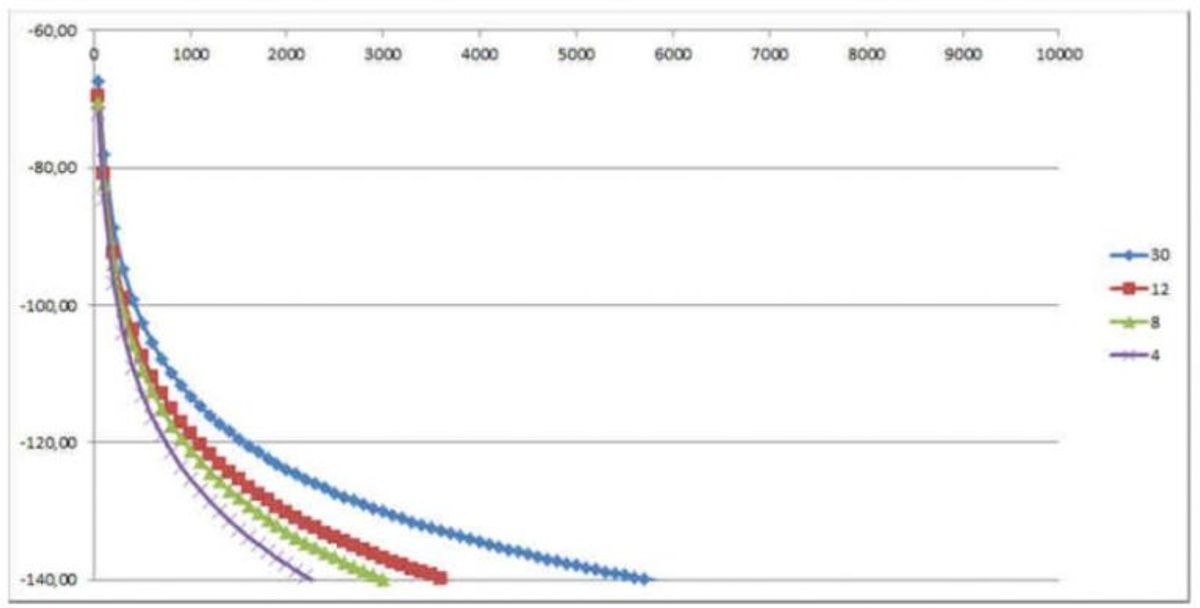
- The illumination in the area could be significantly improved with a higher positioning of the Gateway. The Gateway in this test was only mounted at 12m height. The so-called Hata-Propagation-Model, a simple radio propagation model for calculating the path loss of radio waves outdoors, describes the relationship between range and height very clearly: By increasing the Gateway location from, for example, 12 to 30 meters, the original range almost doubles (see graphic below, source: Kerlink, Kerlink Manual LoRa IoT Station v2.17).
In one of our customer projects, three Gateways (5, 10, and 45 meters high) were installed in a German city with over 150,000 inhabitants in the first phase, and various range and penetration tests were conducted. A summary of the results can be found in the table.
Height Number of Data Points Max. Range Average Range Gateway 1 5 m 444 5.53 km 1.43 km Gateway 2 10 m 762 16.27 km 3.3 km Gateway 3 45 m 1619 20.99 km 2.92 km
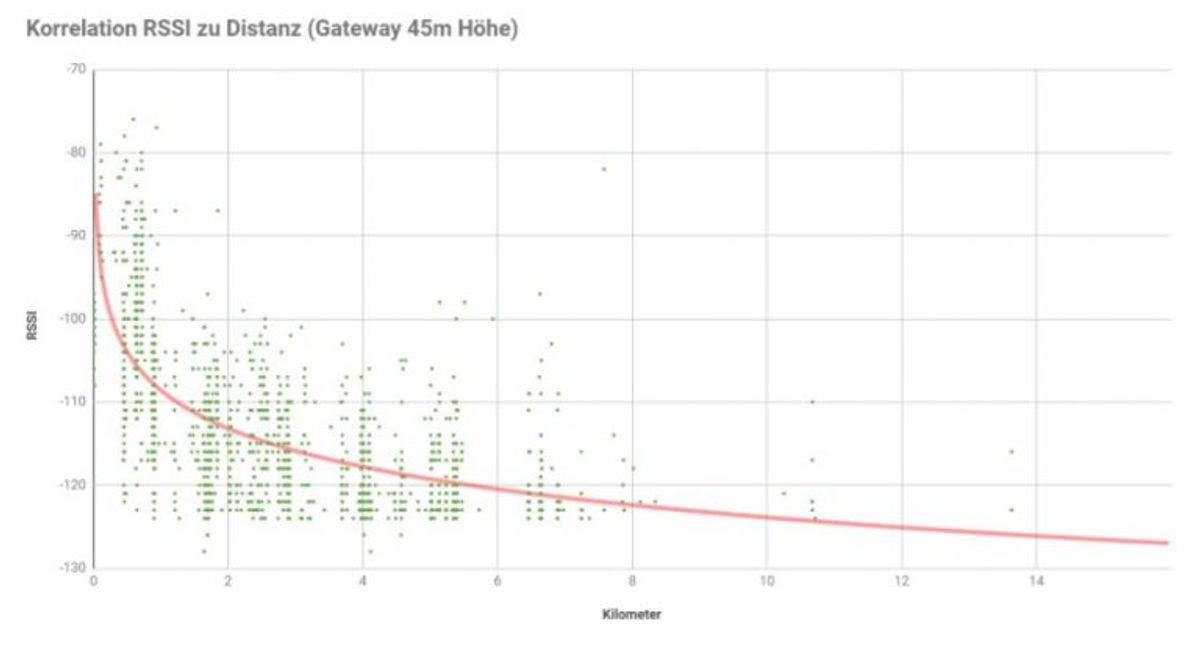
The results achieved there exceed the results of the setup mentioned above, especially due to the location with the very high Gateway. We will publish the detailed results of this and other tests at the beginning of 2018. (Please register at the end of the article to receive a notification as soon as the results are published.)
Scenario 2: LoRaWAN in a suburban area
In “A Study of LoRa: Long Range & Low Power Networks for the Internet of Things” by Aloÿs Augustin, Jiazi Yi, Thomas Clausen, and William Mark Townsley, a range test is well documented, which was conducted in a Paris suburb.
Experimental Setup
The Gateway was located on the 2nd floor of a house, directly in front of the window. On the test day, the humidity was 55% with an outside temperature of 15 °C. Five different test points were selected, with the distance to the Gateway ranging from 650 m to 3,400 m.
The end device was in a car during the tests. The transmission power of the end device was set to 14 dBm, which is the standard value.
To test the performance of different spreading factors, packet acknowledgment and retransmission were turned off. The connection check was also disabled, so the spreading factor did not change even if there was a packet loss. - By default, the LoRaWAN network adjusts the spreading factor to the connection quality.
For these tests, spreading factors 7, 9, and 12 were chosen. In each test, about 100 packets with a sequence number were transmitted to the network server.
Result
The higher spreading factors have better coverage than previously described – with an SF value of 12, more than 80% of the packets were received at 2,800 m, while no packet was received at an SF of 7. The Gateway was located on the second floor about 5 m above the ground. The control point was located 2,800 m away directly behind a seven-story building. At a distance of 3,400 m, coverage was only provided by SF12. The price for the high transmission rate using the high spreading factor is a significantly lower bit rate. On the other hand, network coverage with low spreading factors is much lower.
For a permanent installation, the positioning of the Gateway at a more favorable location should be considered. For the most extensive coverage possible, positioning in a building on the 2nd floor is certainly suboptimal.
Scenario 3: LoRaWAN for reading water meters, gas meters, and electricity meters in a basement
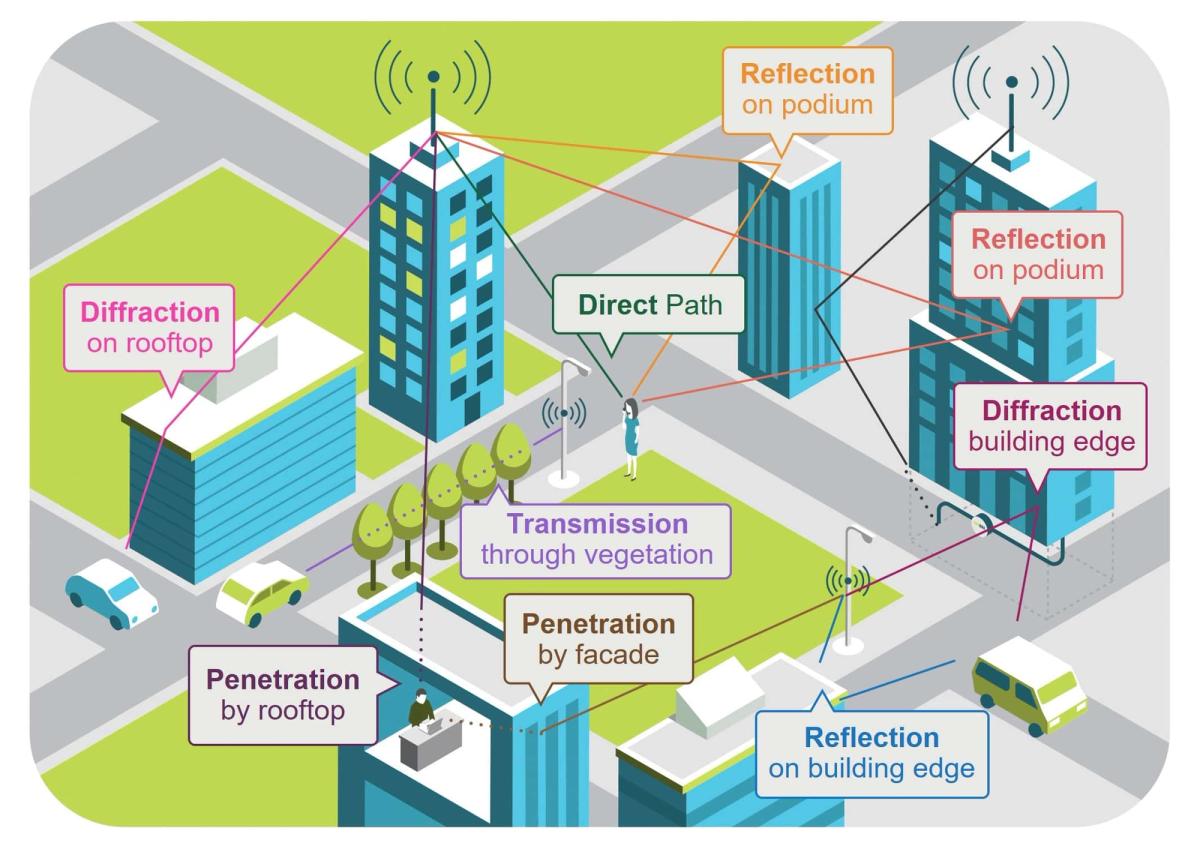
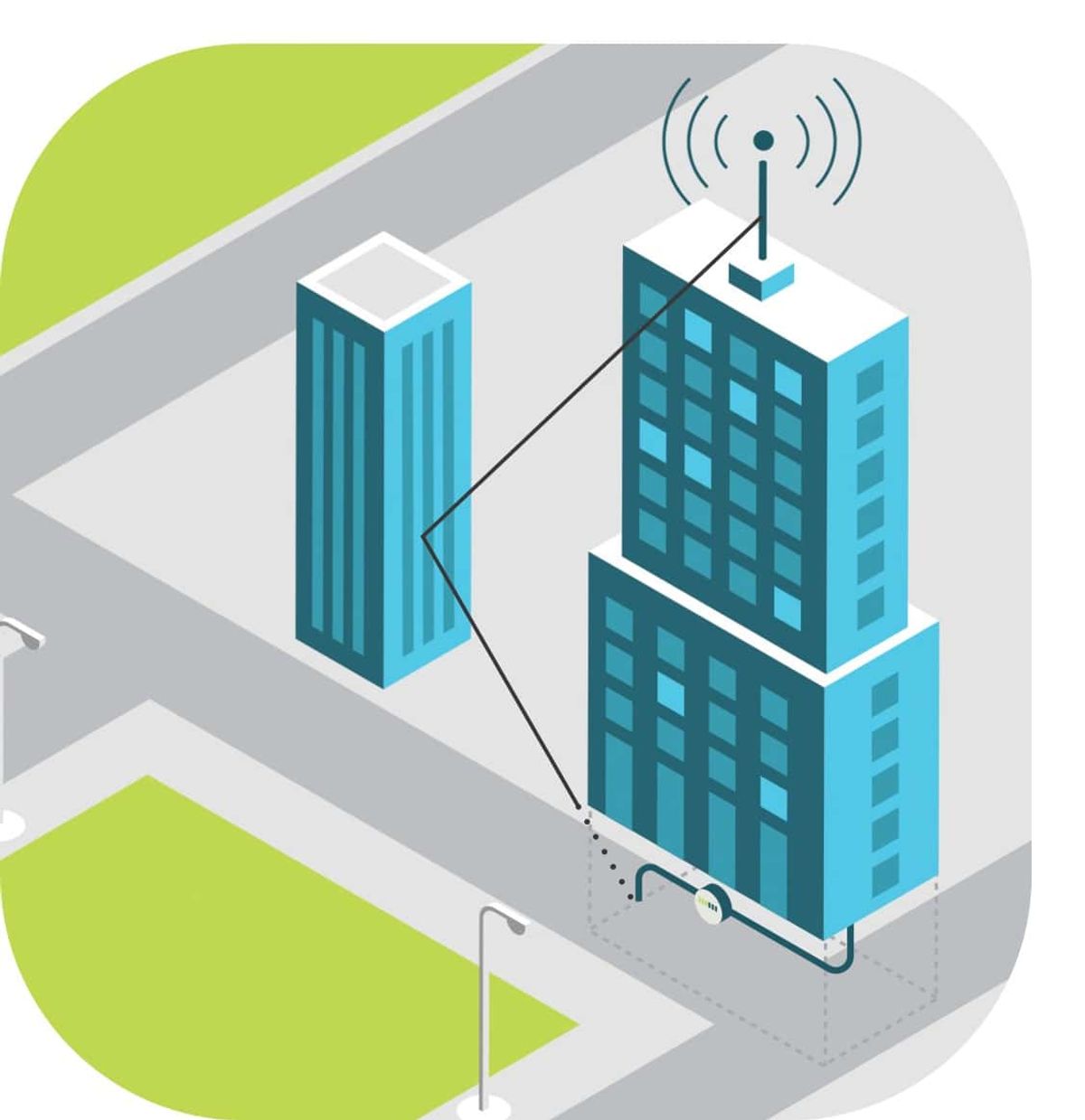
In the previously mentioned source from Libelium, a scenario is also mentioned where coverage near basements is concerned. Unfortunately, the conditions are only roughly outlined: In this measurement, the transmitter was located outside the first floor of an office building at a height of about 3 meters. The receiver was located below the ground floor, at a garage entrance. There was no line of sight between the points, and the achieved LoRaWAN range was 206 m. Much more is not documented.
The results we have achieved together with customers in penetration tests are much more insightful. Here, too, we would like to briefly outline three examples (further details will follow in the coming weeks).
In the first test, data from a water meter was transmitted over a distance of 998 meters from a shaft embedded in the street to a Gateway at 35 meters height. The connection could be established despite the metallic cover of the shaft. To test real conditions, a delivery van was also parked on the shaft, and signals could still be received with satisfactory quality.
At another customer, penetration tests were conducted in five different basement rooms over a period of several days within a radius of 4 km.
1 2 3 4 5 Distance Success Rate Distance Success Rate Distance Success Rate Distance Success Rate Distance Success Rate Gateway 1: 5 m 3600 m 0% 2700 m 0% 1600 m 0% 5100 m 0% 1100 m 0% Gateway 2: 10 m 4000 m 0% 3400 m 0% 3800 m 1% 2800 m 0% 4100 m 25% Gateway 3: 45 m 800 m 82% 1800 m 4% 2100 m 86% 2600 m 77% 3900 m 55%
The table shows the respective distance to the Gateway and the associated success rate. The individual locations were tested over several hours or days with several thousand transmission attempts. Basement rooms with their respective adversities (reinforced concrete, 2nd basement floor, steel basement doors, etc.) can also be networked over long distances. Here, the height of the Gateway plays a significant role. In addition, these are use cases that require a retransmission of values if the success rate cannot always guarantee direct transmission.
In another installation in a neighborhood, data from basement rooms is also transmitted with good connection quality to an energy management system using 2 redundantly installed Gateways. Read more about this in our blog post “LoRaWAN – A Practical Example”.
These examples show that LoRaWAN offers great potential for utility and billing companies when used to transmit data from water, gas, heat, or electricity meters from basements to billing and monitoring systems.
Model Calculation 1: The Coverage of LoRaWAN Indoors
When planning wireless network coverage, planning requirements for indoor and outdoor areas are usually included. Accordingly, statistical propagation models have been developed to support area planning. Here, the model by Davide Magrin is discussed (see Network level performances of a LoRa system). LPWAN communication networks like LoRaWAN are essentially PMP, with sensors installed on different floors, including basements. These requirements force network planners to develop digital 3D maps and apply path-specific, deterministic propagation models.
To model the losses caused by exterior and interior walls of buildings, there are several solution approaches. For example, in one of the available models, the influence of buildings on the path loss of LoRaWAN networks is determined by the following units:
- Losses through the exterior walls of buildings, hereinafter referred to as EWL.
- Losses through the interior walls of buildings;
- Increased power consumption due to the fact that a device is located above the first floor.
This model can be used as an approach to determine path losses through buildings as follows:
a) Losses through the exterior walls of buildings:
The EWL for a device is modeled as a uniform random variable that takes values within a certain range. Due to the fact that two devices do not necessarily experience the same path loss through exterior walls, the diversity of materials and thickness of exterior walls in a variety of different buildings should be modeled. Three possible value ranges and the probability that a node experiences this type of loss are given in Table 2.
Probability Range r 0.25 [4, 11] dB 0.65 [11, 19] dB 0.1 [19, 23] dB
Table 2: Possible value ranges of the EWL and the probability
b) Losses through the interior walls of buildings:
The influence of interior walls is expressed as the maximum value between two values. The first value represents the loss due to the number of interior walls:
Tor1 = Wi · p, (5)
where
Wi = uniformly distributed in the [4, 10] dB range and
p = number of interior walls separating the transmitter from the receiver.
It is assumed that p = 3 for 15% of the devices and that the rest of the devices are evenly distributed over the values of p = {0, 1, 2}.
The second value needed to model the path loss through interior walls is:
Tor3 = αd, (6)
where
α = 0.6 dB/m – the penetration depth coefficient and
d-value uniformly distributed in the range [0, 15] m.
c) Increase in received power:
Finally, the GFH contribution describes the better reception achieved by antenna height. This parameter is determined by the following expression:
GFH = n*Gn, (7)
where
Gn = 1.5 dB/floor – the gain due to the increase in height by one floor
n = number of floors, is evenly distributed over the values of n = {0, 1, 2, 3, 4}.
These three parameters define the total loss through buildings for an indoor device as follows:
LBuilding(dB)= EWL + max(Tor1, Tor3) − GFH (8)
In the real environment, some tests with different scenarios indicate that even mounting a Gateway on the same roof of a multi-story building with the basement or lower floor to be networked can be useful - even if, according to the calculation of the total loss for the direct path through several floors and walls, penetration could theoretically not be guaranteed.
Here, the direct path through the building is rarely decisive, but rather the reflection on neighboring buildings. The path is longer, but the attenuation is limited to 1-2 walls and the reflection factor of the building envelope.
Model Calculation 2: LoRaWAN Range in the Forest
In rural and semi-rural regions, trees can significantly contribute to path losses. In addition, a variety of variables must be considered: For example, the type of tree, whether the tree is wet or dry, and, in the case of deciduous trees, whether leaves are present or not.
Isolated trees are usually not a big problem, but a dense forest is quite a challenge. The attenuation depends on the distance the signal has to overcome through the forest and increases with frequency.
A brief analysis of the influence of forests on the range of a wireless network is carried out in the CCIR Report 1145 “Propagation over irregular terrain with and without vegetation” (International Telecommunication Union, Geneva, 1990) and recommended in ITU-R P.833-4. Figure 1 summarizes this ITU-R P.833-4 recommendation, which examines the influence of forest areas on attenuation.
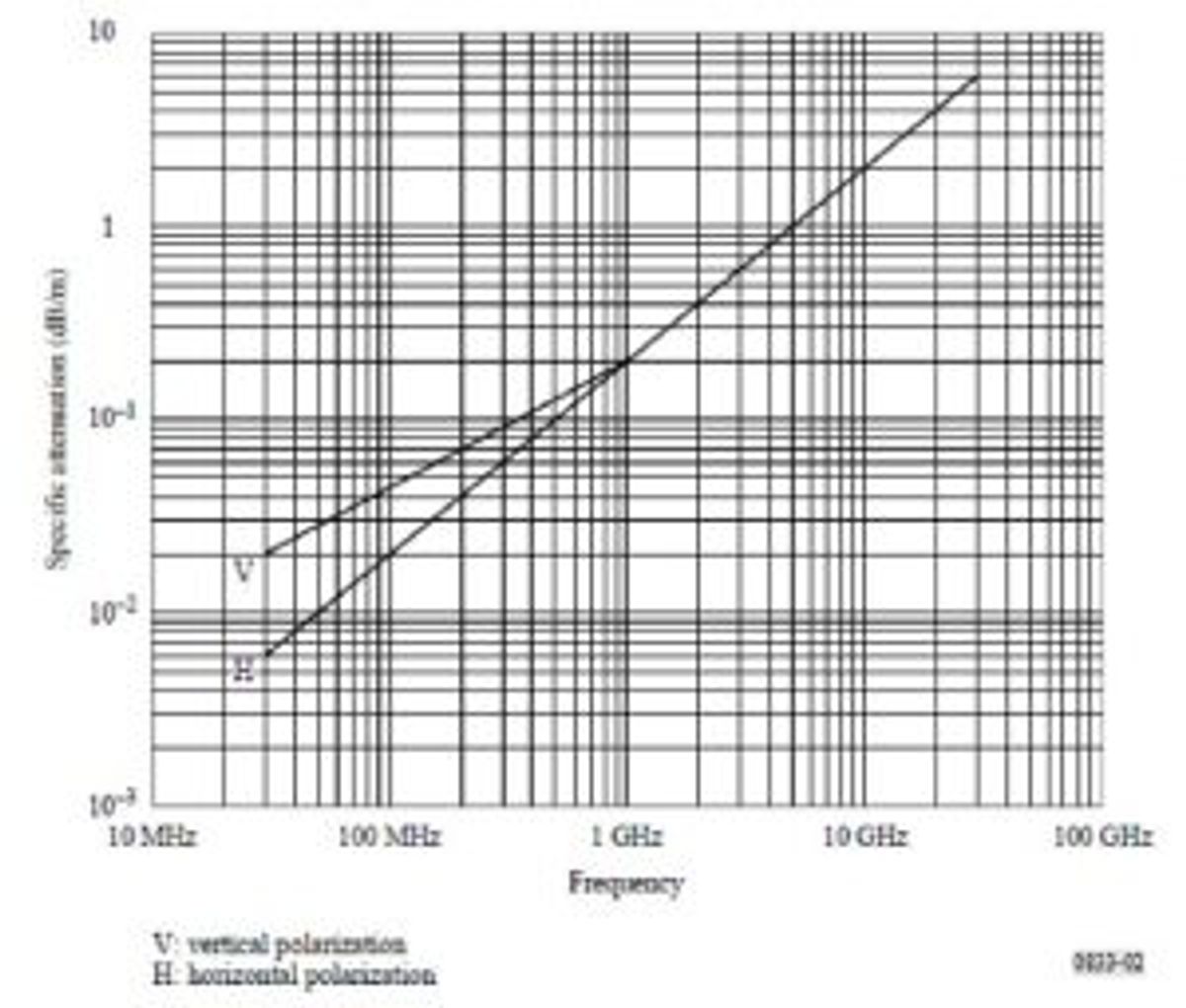
The attenuation is in the order of 0.05 dB/m at 200 MHz, 0.1 dB/m at 500 MHz, 0.2 dB/m at 1 GHz, 0.3 dB/m at 2 GHz, and 0.4 dB/m at 3 GHz. Even at lower frequencies, the attenuation is slightly lower with horizontal polarization than with vertical. This difference does not apply to frequencies above 1 GHz. This means that this criterion influences the path loss when the signal has to penetrate several hundred meters of forest.
Fortunately, a significant part of the propagation also occurs over the treetops through diffraction, especially if you can mount the antennas almost at treetop height or maintain a distance from the forest.
So not all is lost if your network is deployed near and above a forest. In some cases, this is even necessary (e.g., for water level measurements in a wooded area). With a link budget of 150dB (see Blog Post 1), theoretical ranges of 750-1500 meters directly through dense forest can be expected. In a customer scenario for water level measurement, a Gateway was mounted at treetop height (about 10 meters), and a total of 8 locations within a radius of 500-2500 meters were tested. The transmitters were mounted at 30 cm height. All locations had good to very good success rates, so higher ranges without line of sight (NLOS) can also be achieved through diffraction as described.
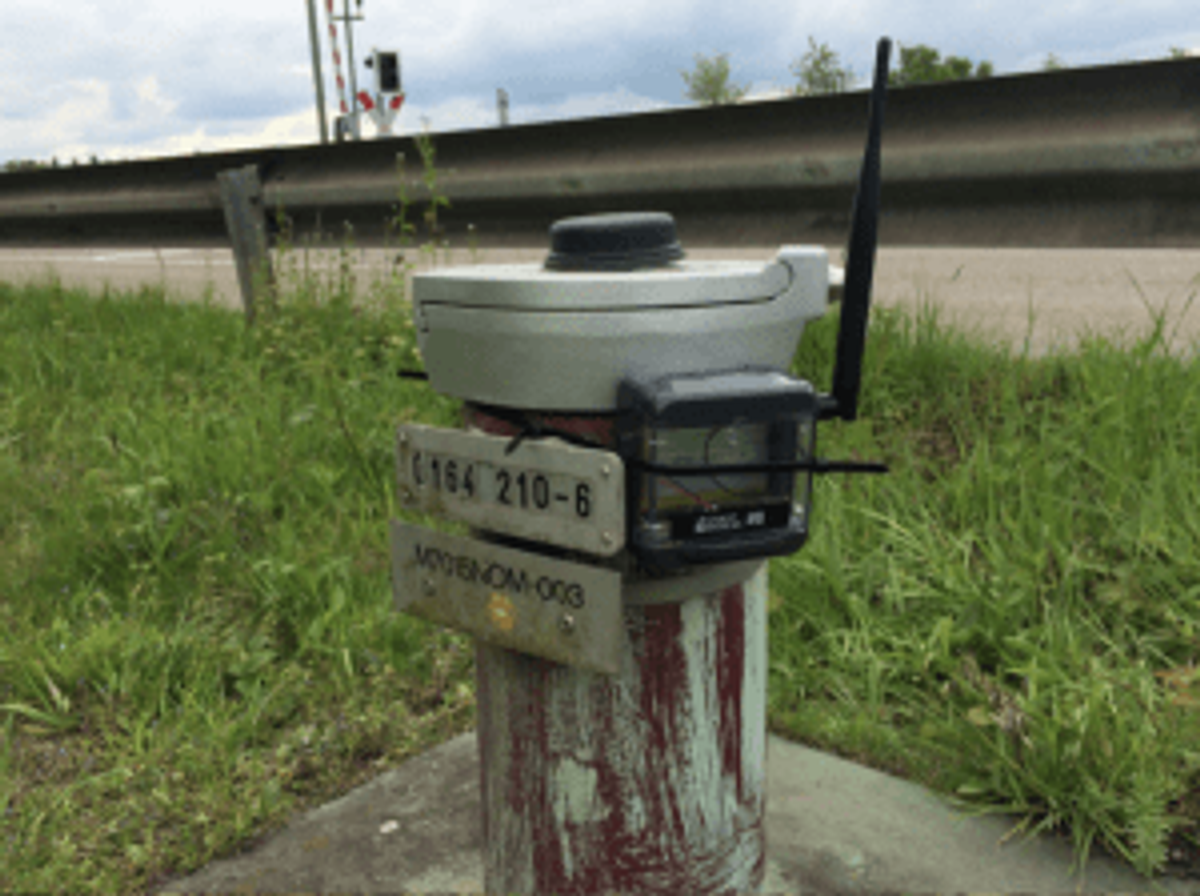
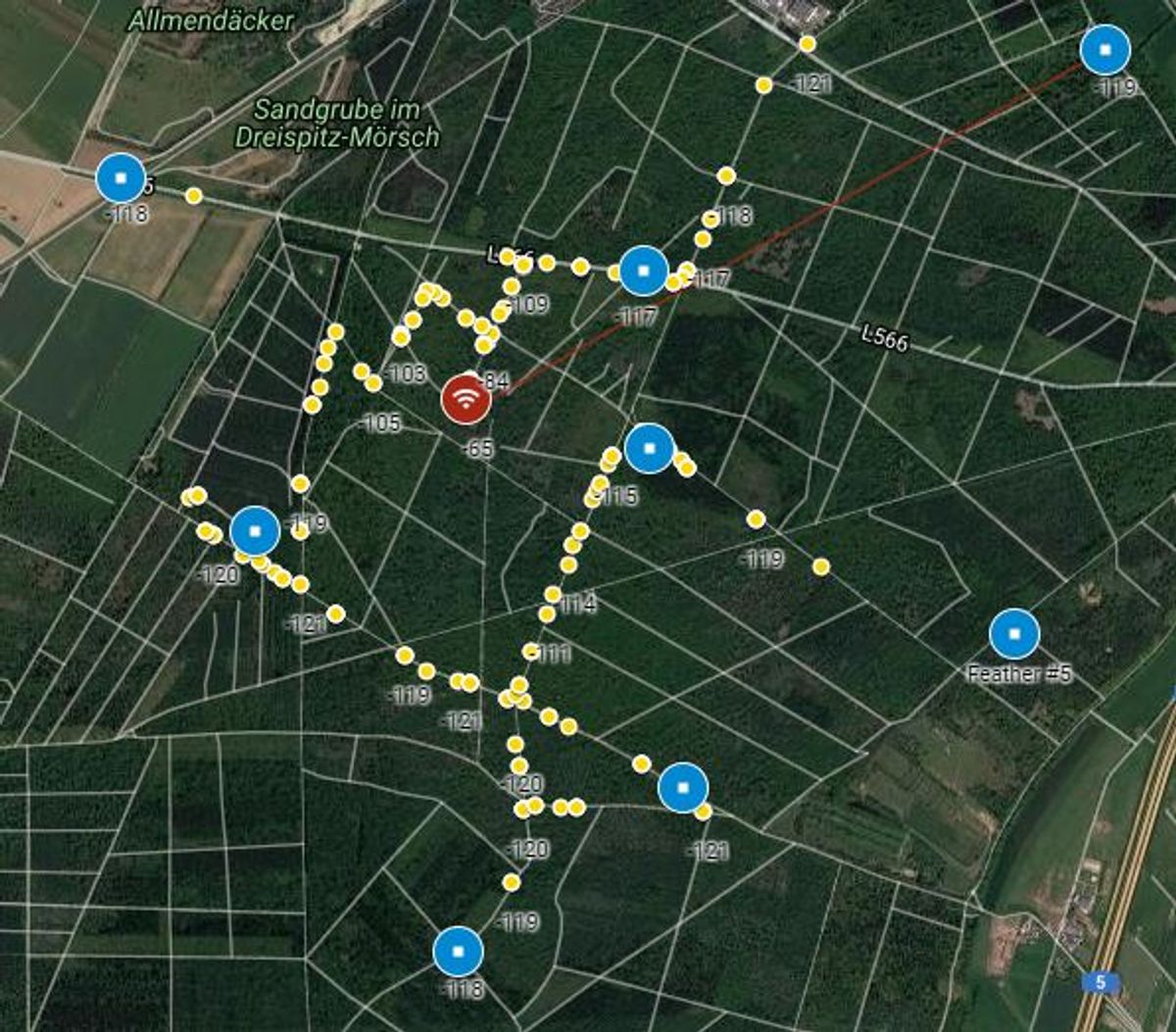
A LoRaWAN network in rural and semi-rural areas, partially covered with vegetation, achieves a range of more than 20 km with LOS connections (Line Of Sight).
Model Calculation 3: Attenuation of Water
The attenuation for radio waves is very high in water. It increases with both an increase in average conductivity and signal frequency. This can be calculated using the following formula:
α=0.0173√ (fσ) (9)
where:
α = attenuation (in dB/Meter)
f = frequency in Hertz and
σ = conductivity in mhos/Meter
The conductivity of seawater ranges between 2 and 8 mhos/Meter, depending on the salt content. To communicate there at all, it is necessary to use VLF (very low frequencies, long waves from 10 to 30 kHz), where the attenuation is in the order of 3.5 to 5 dB per meter.
How would the described relationships affect the LoRaWAN network? If you have a node that can, for example, transmit 5 km through the air with line of sight at 868 MHz frequency, how far would it go underwater?
α = 0.0173√ (fσ) = 0.0173√ (868000000*2) = 720dB/m.
The power transmission balance of the LoRaWAN network depends on the environment, but for this example, we assume it is 150 dB. Underwater, you could communicate approximately 20 cm with it.
For specific questions on this topic, you can contact us at any time.

With this admittedly rather theoretical consideration, Part 2 on the topic of LoRaWAN range ends. You can find the first part of the article, which describes the key factors influencing the range of radio networks, elsewhere in our blog.