Leverage IoT and Business Intelligence for Competitive Advantage
Leverage the synergy of IoT and Business Intelligence for a competitive advantage. Learn how data-driven decisions enhance efficiency and foster innovation.
In this article, we explore how companies can leverage the synergies between IoT and Business Intelligence to gain competitive advantages. The focus is on improving data-driven decision-making to enhance operational efficiency and develop innovative strategies.

Introduction to Business Intelligence and IoT
The combination of Business Intelligence and IoT is a groundbreaking trend in the business world. It offers companies a powerful way to gain comprehensive insights into their operational processes and make strategic decisions based on solid data. By using IoT and BI, companies can not only increase efficiency and productivity but also secure a significant competitive edge.
Understanding IoT and Business Intelligence
IoT refers to the interconnection of physical devices with the internet. This allows data to be collected from a variety of sources in real-time. Business Intelligence, on the other hand, encompasses technologies and strategies to analyze data and extract information. The connection of IoT and BI leads to a deeper understanding of a company's operations.
In this section, we will look at the following benefits in detail:
- Data Collection
- Proactivity
- Operational Efficiency
- Customer Insights
- Risk Management
- Innovation
Enhanced Data Collection and Analysis with BI & IoT
The Internet of Things (IoT) plays a crucial role in collecting extensive real-time data from various sources. Sensors and connected devices continuously capture values related to machine performance or environmental conditions. This data is highly diverse and provides a detailed picture of operational processes. Through Business Intelligence (BI) tools, this information is captured and transformed into actionable insights. BI leverages advanced data analysis and processing functions to turn large volumes of data into understandable reports, dashboards, and visualizations. The synergy between Business Intelligence and IoT is therefore essential for optimizing data management.
Predictive Analysis for Proactive Decision-Making
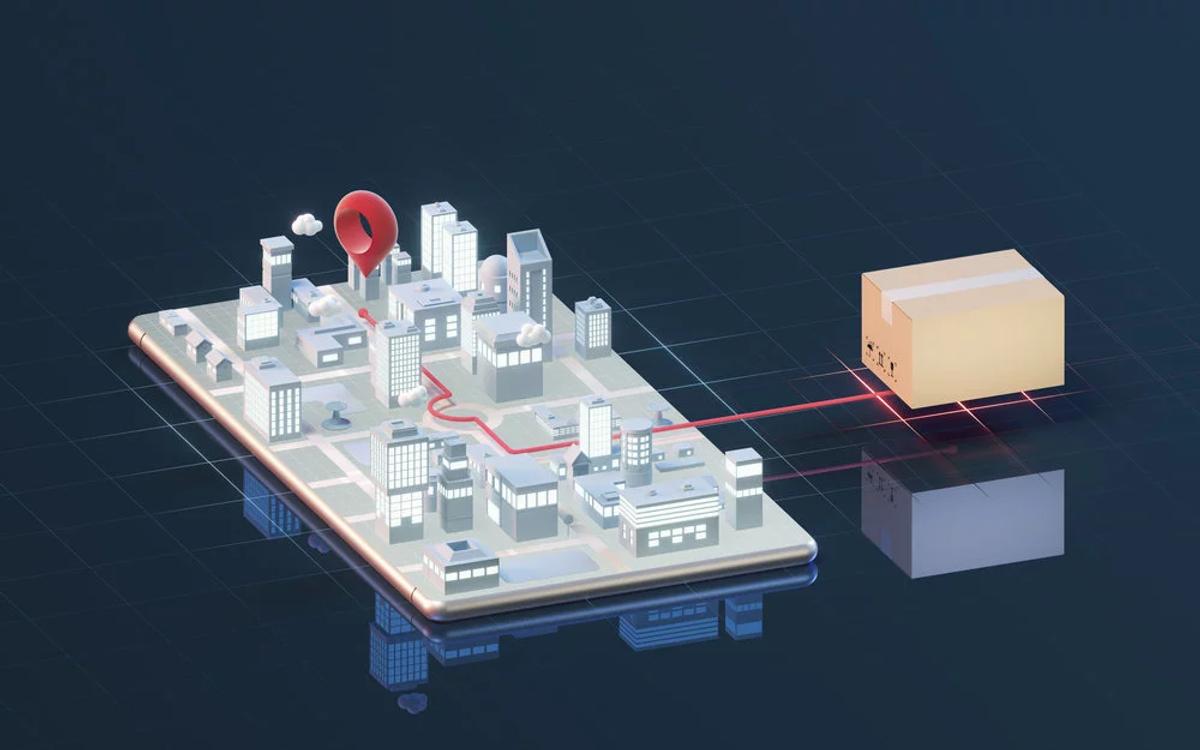
The combination of IoT data with Business Intelligence opens up possibilities for powerful and predictive analyses. This synergy enables companies not only to understand current events but also to anticipate future developments. A prime example of this is predictive maintenance. By evaluating IoT data such as machine runtimes and performance indicators, companies can anticipate potential failures and plan maintenance measures before interruptions occur. This way, downtime can be minimized and costs saved. In the area of demand forecasting, the connection of IoT and BI allows for more accurate predictions regarding consumer trends. Additionally, these technologies offer significant advantages in inventory management. IoT systems provide precise data on stocks, while BI tools use this information to optimize order quantities.
Improving Operational Efficiency with IoT and Business Intelligence
Challenges in integrating new IoT devices into existing systems highlight the need for expert consultation. Ensuring compatibility and seamless communication between devices is a complex task best handled by IoT solutions experts. Through the synergy of IoT and Business Intelligence, operational processes can be streamlined, downtime reduced, and productivity increased, leading to overall improved operational efficiency. IoT devices provide real-time data on machine conditions, employee performance, and production processes, which are then analyzed using BI tools to uncover optimization potentials. A concrete example of this is the use of IoT in the manufacturing industry, where sensors monitor the condition of machines and continuously provide real-time data. BI systems analyze this data to identify inefficient processes or potential machine failures early on. This allows companies to take preventive maintenance measures and minimize downtime. Another application area is in the logistics industry, where IoT-based fleet management systems enable route optimization, shorten delivery times, and minimize fuel costs.
Customer Insights and Personalization with IoT & Business Intelligence
IoT & Business Intelligence offer unique opportunities to better understand how customers act and what their preferences are. In retail, IoT devices can record customer interactions, while BI tools analyze this data to identify patterns in purchasing behavior. These insights can influence marketing strategies and enable a personalized customer experience. Based on individual customer preferences and purchasing behavior, companies can create personalized offers and recommendations.
Risk Management and Security through IoT & BI
The linkage of IoT and Business Intelligence significantly contributes to improving risk management and enhancing security. Potential risks and threats can be identified early by continuously monitoring and analyzing data. Especially in threat detection through sensors and monitoring systems, IoT and BI play a crucial role. These systems capture unusual activities and deviations from the norm that may indicate security breaches or physical threats. BI tools analyze this data to identify patterns and trigger timely alerts if necessary before serious issues arise. In the area of fraud prevention, IoT and BI enable the monitoring of transactions and operations to quickly identify and investigate suspicious activities. Furthermore, IoT and BI provide important tools for compliance adherence by ensuring that the company meets legal and regulatory requirements. To this end, operational data is continuously monitored and analyzed.
Innovation and New Business Models with BI & IoT
Companies are also using the connection of BI and IoT for innovations and the development of new business models. These technologies play a central role in numerous digital transformations by aligning companies with data-driven decisions and the optimization of business processes. In particular, companies in industries such as manufacturing use IoT for intelligent and connected functions. These models also enable the simulation and analysis of complex systems, leading to advances in product development. Overall, IoT and BI accelerate the implementation of digital transformation strategies by leveraging the possibilities of data collection and analysis. This leads to more efficient processes, improved operations, and new market opportunities.
Conclusion on Business Intelligence & IoT
The synergy of Business Intelligence and IoT offers companies a wealth of significant advantages in data collection and analysis. In particular, the real-time collection of large data volumes, combined with the powerful analysis functions of BI tools, opens up numerous valuable new opportunities. In conclusion, it can be stated that the introduction of IoT and Business Intelligence is not only a strategic necessity for companies in the digital age to survive. Rather, it is a crucial step to gain a sustainable competitive advantage. Companies that embrace these technologies are optimally positioned for increased efficiency, stronger customer orientation, and continuous innovation.