Challenges in Integrating IoT into Traffic Management and How to Overcome Them
Discover the 3 biggest challenges in integrating IoT into traffic management or control and learn effective strategies to overcome them.
The Internet of Things (IoT) is an emerging trend that is transforming the world of traffic management. By integrating connected devices and smart sensors, traffic managers can collect real-time data to monitor traffic flow, detect accidents, and optimize traffic. However, IoT traffic management also presents a number of challenges. In this article, we will examine the key hurdles for integrating IoT into traffic management and present measures to overcome these obstacles.
IoT traffic management offers a comprehensive solution for controlling traffic flow, reducing congestion, and improving traffic safety.
- Data Collection: Traffic sensors, cameras, GPS devices and other smart devices are used to collect data on traffic flow, vehicle movements, and other key indicators.
- Data Analysis: Once the data is collected, it is analyzed using machine learning algorithms and other advanced analytics tools. This allows traffic management systems to identify traffic patterns, detect events, and predict traffic flow.
- Real-Time Information: IoT-based traffic management systems use real-time data to provide drivers with information such as real-time traffic updates, alternative routes, and estimated travel times.
- Traffic Control: Smart traffic lights and other traffic control systems are used to adapt to traffic flow and improve its efficiency.
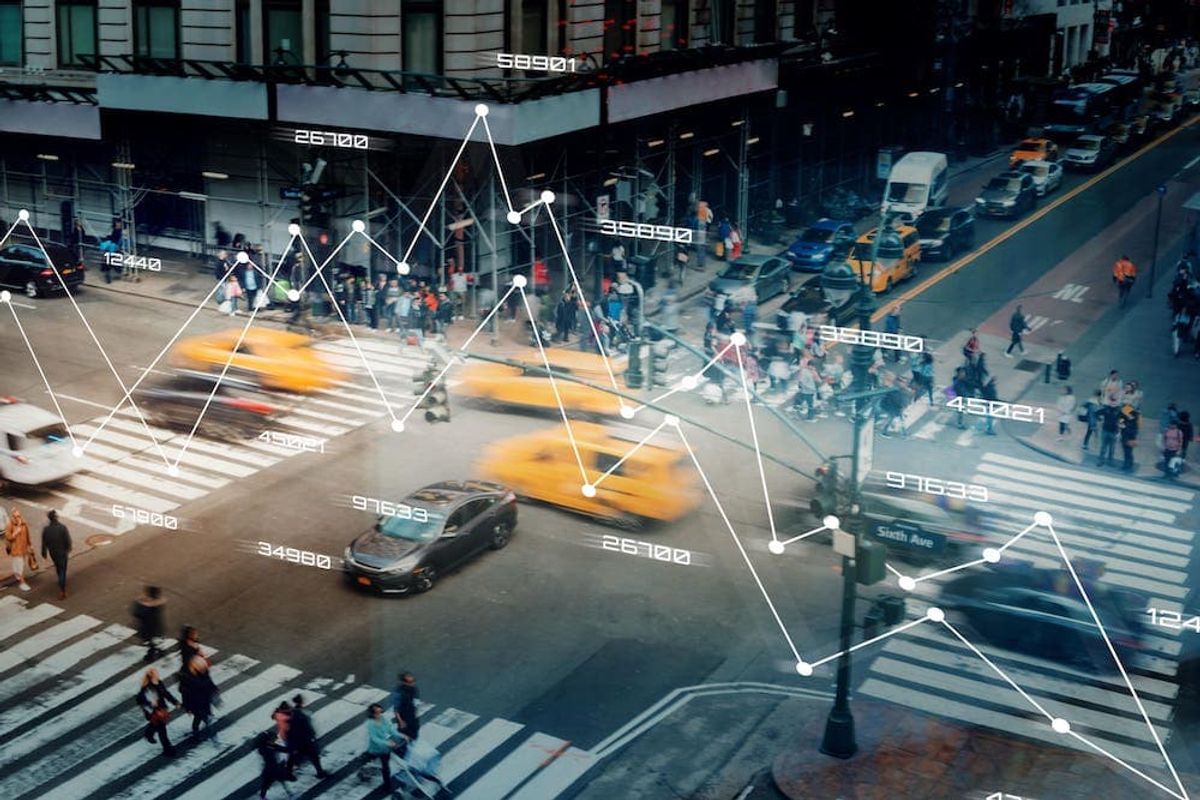
IoT in Traffic Management: Key Issues and Solutions
Challenge 1: Lack of Standardization
One of the biggest challenges in using IoT in traffic management is the lack of standardization of data formats, communication protocols, and data security. This leads to a situation where different systems and devices may not be able to communicate effectively, resulting in delays and inefficiencies.
For example, if different devices use different communication protocols, it can be difficult to integrate them into a single system. This can lead to delays in data transmission, which in turn can affect the efficiency of traffic management systems.
To solve the problem of lack of standardization in smart traffic management systems with IoT, it is important to create a standardized framework that can be used across different systems and devices.
A standardized framework can help ensure that different devices and systems can communicate effectively, improving the efficiency of traffic management systems. Additionally, a standardized framework can ensure that data is collected and transmitted securely and reliably.
Creating a standardized framework requires collaboration among various stakeholders, including governments, private companies, and industry organizations. These stakeholders must work together to create a set of standards and guidelines that can be used to ensure interoperability and security.
Challenge 2: Data Deluge and Managing Large Data Volumes
Another challenge in integrating IoT into traffic control is managing the large volumes of data generated. Traffic control systems can collect data from a variety of sources, including cameras, sensors, and GPS devices. This data can include information on traffic volume, speed, and location.
Managing and analyzing the data collected from IoT-based traffic control systems can be challenging, as traditional data processing methods may not be able to handle the large volumes and complexity of the data. Additionally, the process of data collection and processing can be labor-intensive, time-consuming, and costly.
To manage large data volumes effectively, a clear strategy for data collection, storage, and analysis is required.
Data Collection
The first step in managing large data volumes is to have a well-defined strategy for data collection. This should define what data needs to be collected, how it will be collected, and how it will be stored. It is important to collect only relevant data to avoid data overload.
Data Storage
Once the data is collected, it must be stored securely, accessibly, and scalably. Cloud-based storage solutions can be a good option for managing large data volumes, as they can be easily scaled as needed.

Data Analysis
To derive meaningful insights from the data, it is important to have a clear strategy for data analysis. This should define what tools and techniques will be used for data analysis and how the results will be presented.
Machine learning algorithms can be used to analyze large data volumes and identify patterns and trends that may be difficult to detect with traditional data analysis methods. This can help traffic control systems make more informed decisions about traffic flow, congestion, and safety.
Challenge 3: Potential Security Breaches
Unauthorized Access
One of the most common security breaches that can occur when integrating IoT into traffic management is unauthorized access. Unauthorized access occurs when someone accesses a system without the appropriate permission. This can be due to weak passwords, insecure networks, or outdated software.
To prevent unauthorized access, it is important to ensure that all passwords are changed regularly. Additionally, networks should be secured with the latest encryption technology, and software should be updated regularly.
Data Breaches
Data breaches occur when sensitive information is accessed by unauthorized individuals. In the context of IoT in traffic management, data breaches can occur when personal data such as license plate numbers, driver's license information, and even facial recognition data is collected.
To prevent data breaches, it is important to ensure that all data is encrypted and stored in secure locations. Additionally, access to sensitive data should be restricted to authorized personnel only.
Malware Attacks
Malware attacks occur when a system is infected with malicious software. Malware can be used to steal sensitive data, disrupt system functionality, and even take control of connected devices.
To defend against malware attacks, it is important to ensure that all software is updated regularly and that antivirus software is installed and kept up to date. Additionally, all connected devices should be regularly scanned for malware.
DDoS Attacks
Distributed Denial of Service (DDoS) attacks occur when a system is flooded with traffic, rendering it unable to function properly. DDoS attacks can be particularly damaging in the context of traffic management systems, as they can cause traffic congestion and even lead to accidents.
To prevent DDoS attacks, it must be ensured that all networks are secured with the latest encryption technology. Additionally, traffic management systems should be designed to handle high traffic volumes to avoid being overwhelmed by an attack.

Physical Attacks
Physical attacks occur when a system is physically accessed and compromised. In the context of traffic management systems, physical attacks can occur when devices are tampered with or stolen.
To prevent physical attacks, it is important to ensure that all devices are physically secured and monitored. Additionally, access to the devices should be restricted to authorized personnel only.
IoT-Based Traffic Management: Conclusion
Integrating the Internet of Things into traffic management offers significant benefits but also poses some challenges. By closely collaborating with IoT device manufacturers, using machine learning algorithms for data processing and analysis, and implementing robust cybersecurity measures, traffic managers can overcome these challenges and leverage the benefits of a more efficient, safer, and sustainable traffic management system.