How IoT Device Monitoring Revolutionizes Remote Management Solutions
Real-time analytics, predictive maintenance, and automation enhance efficiency, security, and scalability.
In a world rapidly moving towards digitalization and connectivity, remote management becomes a central success factor for companies. With devices often distributed across countries – sometimes worldwide or even in space – the need for real-time monitoring and remote control is growing exponentially.
IoT-connected devices are driving this change. What was once considered a technical luxury feature is now an operational necessity. The ability to monitor devices in real-time has become a key function of modern remote management solutions. IoT device monitoring enables companies to efficiently manage their assets, integrate automations, and make data-driven decisions in real-time.
How do I monitor IoT devices?
IoT device monitoring is not rocket science, but it does require a thoughtful approach. The key steps:
1. Selecting the right monitoring solution
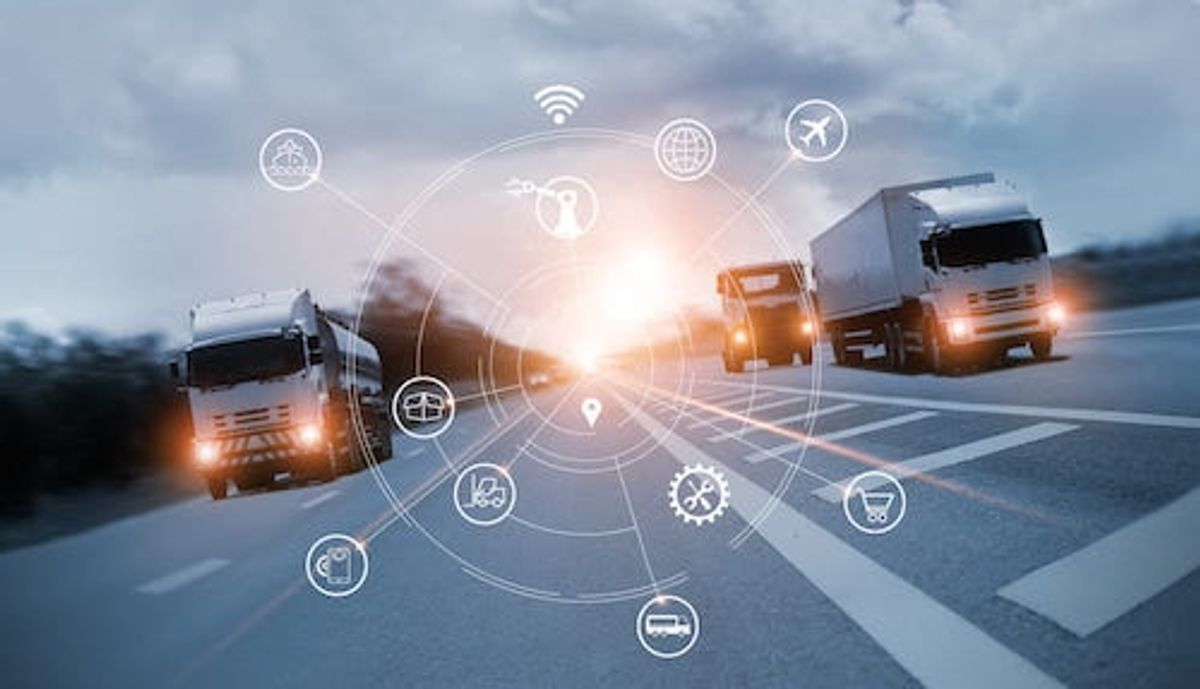
Not all solutions are equally suitable. Companies must consider the scope of their devices, specific data requirements, and integration possibilities. Whether in healthcare for patient monitoring, logistics for shipment tracking, or smart cities for infrastructure control – choosing the right solution is crucial.
2. Setting up remote IoT monitoring devices
After selection comes setup: installing sensors, configuring networks, and ensuring connections – whether via Wi-Fi, cellular, or LPWAN. Once the infrastructure is in place, devices can send data in real-time to a central system.
3. Data collection and analysis
IoT devices continuously generate data – from temperature and location to performance. This information must not only be collected but also analyzed. AI-powered tools help identify patterns, predict issues, and make informed decisions.
4. Utilizing dashboards and notifications
Dashboards act as a central control unit, allowing thousands of devices to be monitored at a glance. Early warning systems alert to potential issues before they become critical – whether it's overheating or a failure.
Key benefits of IoT device monitoring for remote management solutions
Real-time insights and control
This is where IoT device monitoring unleashes its full potential. With real-time data, companies gain immediate insight into operations, reduce downtime, and respond faster.
Predictive Maintenance
By analyzing the data transmitted by your IoT devices, your system can predict when a machine will fail, when maintenance is needed, or when a part is wearing out. According to McKinsey, predictive maintenance can reduce machine downtime by 30-50%. By identifying issues before they occur, predictive maintenance minimizes costs and downtime.
Increased efficiency and reduced downtime
Time is money, and IoT device monitoring reduces downtime by detecting anomalies before they become major problems. Instead of waiting for a device to fail, manage it proactively in real-time. The result? A 25% increase in operational efficiency, according to a Deloitte study. When your machines are constantly running, you maximize performance and minimize wear. Fewer manual interventions and proactive management improve resource utilization.
Enhanced security and risk management
Security breaches can be identified and prevented early – a must for sensitive industries. Companies have a moral obligation to protect their systems and customer data, and an average security breach can cost a company over $4 million according to the FBI. IoT device monitoring can report unusual activities or unauthorized access, allowing you to intervene before it's too late. For industries like healthcare or finance, where compliance and data security are critical, this is indispensable.
Cost savings and resource optimization
Less downtime, fewer manual interventions, fewer on-site visits – all of this leads to significant cost savings. By using remote IoT monitoring, companies can reduce the need for expensive repairs and optimize resource allocation. You have a leaner, more efficient operation that reduces unnecessary expenses thanks to automation and remote monitoring.
IoT device monitoring as a foundation for scalable remote management
Let's take a closer look at how IoT monitoring supports remote management and enables companies to scale without additional effort.
Scalability and flexibility
IoT device monitoring systems are designed for growth. Whether you manage a dozen devices or scale to thousands, IoT systems are flexible enough to expand without losing efficiency. Imagine a logistics company with sensors on every vehicle, constantly sending data to a central hub. With the right system, you can increase this number from 100 to 10,000 vehicles without sacrificing oversight or control.
Automation and remote control
One of the greatest advantages of IoT monitoring is the ability to automate. You no longer just react – you predict, adjust, and manage everything remotely, often without having to take action yourself. Automated systems can collect data from the field and trigger actions. Automation makes your business faster, smarter, and more efficient.
Central monitoring for global operations
Even if you have devices distributed around the world, IoT device monitoring solutions allow you to monitor everything from a central location. Whether you're tracking factories in Asia or vehicles in Europe, IoT monitoring solutions consolidate the data into a single dashboard, giving you full control. In today's globalized world, this kind of centralized, remote-monitored visibility is invaluable.
Why IoT device monitoring is the future of remote management
The combination of real-time monitoring, automation, and predictive analysis makes IoT device monitoring a strategic advantage. Companies that leverage this technology optimize processes, reduce costs, and gain a competitive edge – now and in the future.