6 Ways the Adoption of RFID in Manufacturing is Revolutionizing the Industry
Read the article and learn how RFID manufacturing solutions increase the efficiency and productivity of the manufacturing industry.
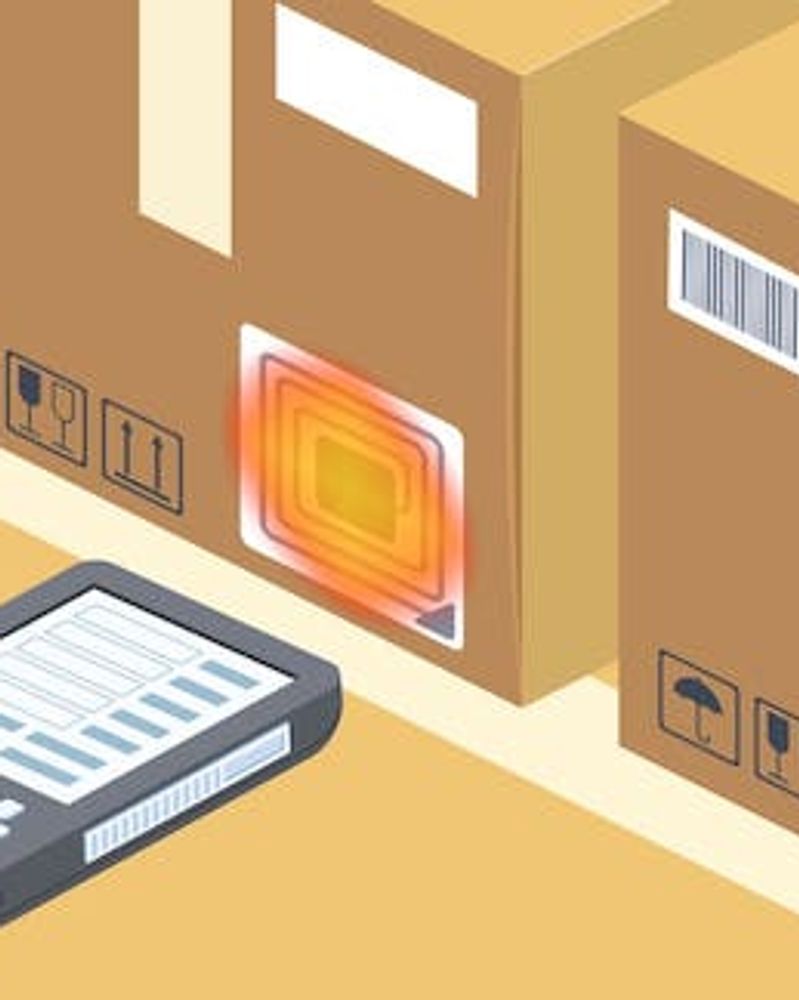
Do you sometimes feel that your company could operate even more efficiently? This is where RFID systems for manufacturing can help. These systems make tracking and managing inventory and production processes easier than ever before. Below are six ways RFID systems are revolutionizing industrial processes.
RFID - the future of inventory tracking
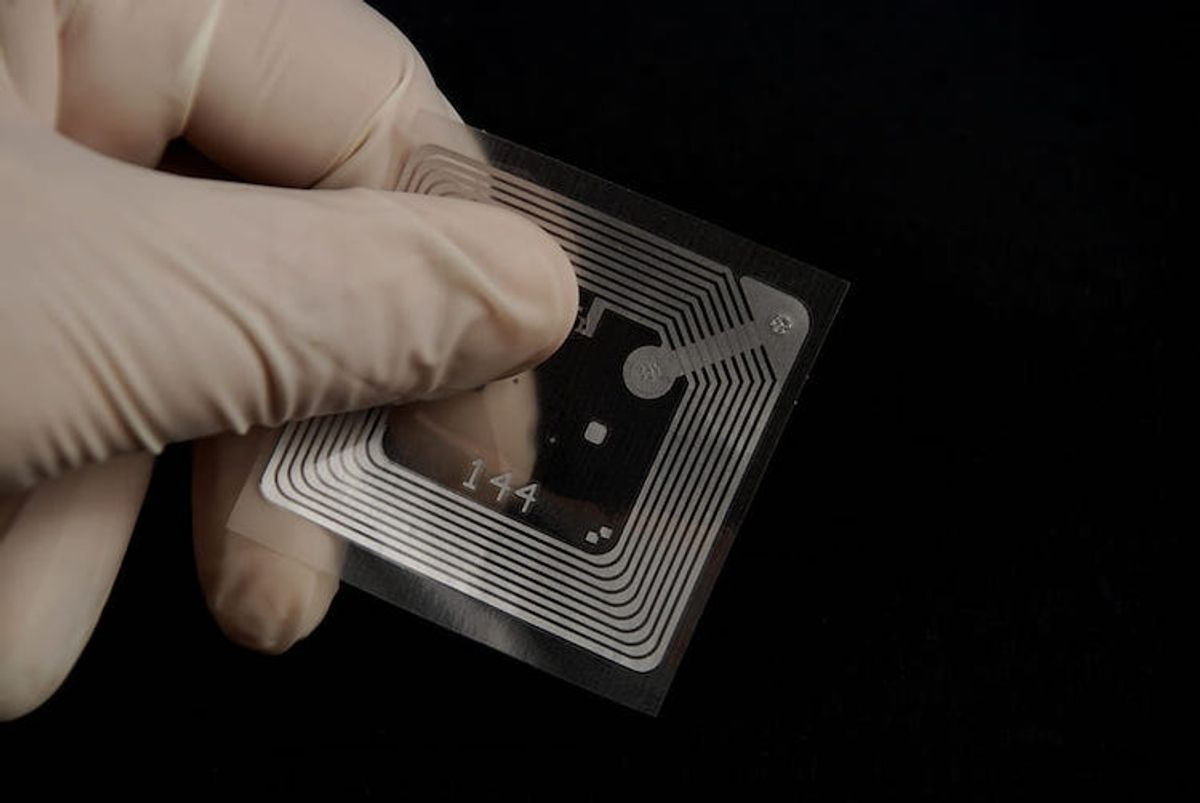
RFID (Radio Frequency Identification) is a technology that uses radio waves to identify and track objects. RFID in manufacturing can be used for inventory tracking, monitoring the production process, and asset tracking.
RFID - A comprehensive overview
RFID in the manufacturing industry has been used for over two decades and is continuously being developed to meet the ever-changing demands of manufacturers.
RFID tags are typically attached to products or packaging and can contain a variety of information such as product ID, manufacturing date, expiration date, and more. This information can be read by an RFID reader, which then sends the data to a computer for processing.
What are the benefits of RFID in manufacturing?
RFID solutions offer a range of benefits for manufacturers, such as improved efficiency and accuracy, reduced theft and losses, and better inventory tracking.
RFID systems for manufacturing accelerate the production process.
RFID tracking systems use tags to track the path of products through the manufacturing process. This information is then used to accelerate the production process by identifying bottlenecks and inefficient areas. It has already been shown that RFID tracking systems can reduce production times by up to 30%.

RFID systems reduce errors in the production process.
RFID systems are used in a variety of industries to track items throughout the production process. By reducing errors and providing insight into potential bottlenecks, RFID systems can help improve efficiency and quality control.
In many cases, RFID tags are attached to products or components as they move through the manufacturing process. By tracking the location of each tag, the system can provide real-time information on the status of individual items.
This information can be used to make adjustments to the production line as needed to avoid errors and optimize performance. Consequently, RFID systems play an important role in improving the quality and efficiency of manufacturing processes.
RFID solutions for manufacturing improve inventory management.
The RFID tracking systems for manufacturing are becoming increasingly popular as they offer a number of advantages over traditional inventory management methods. RFID tags can be attached to products or components, and the data they contain can be read by RFID readers.
This allows manufacturers to track the location of products and components throughout the production process, which can significantly increase efficiency. Additionally, RFID tags are resistant to damage and wear, so they can still provide accurate data even after years of use. Therefore, RFID solutions offer a reliable and cost-effective way to improve inventory management in production environments.
RFID systems improve the efficiency of production facilities and extend the lifespan of assets.
RFID tags provide a unique identifier for each device, making it easier to track inventory and locate lost or stolen items. RFID systems can also help improve the efficiency of production facilities by reducing the need for manual data entry. Additionally, RFID tags are often more durable than barcodes, meaning they can extend the lifespan of equipment by reducing wear and tear.
As RFID technology in manufacturing continues to evolve, it is likely that even more production facilities will adopt RFID systems to improve efficiency and extend the lifespan of their assets.
RFID systems improve quality control in the manufacturing industry.
RFID systems are becoming increasingly popular in the manufacturing industry. The tags are attached to products and then read by RFID scanners. This allows manufacturers to track products throughout the production process and ensure that each product is accounted for.
RFID systems improve quality control by reducing the risk of errors and increasing efficiency. For example, if a product is mislabeled, the RFID system can detect and correct the error. Additionally, RFID systems allow manufacturers to track inventory and quickly restock items that are running low.
Consequently, RFID systems offer a range of benefits for manufacturers looking to improve their quality control.
RFID systems ensure greater safety and help prevent accidents.
RFID systems are designed to ensure greater safety and prevent accidents. RFID tags are attached to objects or people, and the system uses RFID readers to track the tags. This information is then used to identify the location of objects or people. RFID systems are used in a variety of environments, such as warehouses, hospitals, and office buildings.
The benefits of RFID systems include improved safety and better asset management. RFID systems can help prevent accidents by providing real-time information on the location of people and objects.
Additionally, RFID systems can be used to track inventory, making it easy to reorder supplies as needed. RFID systems thus offer many benefits and can help improve safety in a variety of areas.
Conclusion RFID systems
RFID systems (Radio Frequency Identification) are becoming increasingly popular in manufacturing. Since RFID tags do not require a line of sight to be read, they can be used to track items even when they are not visible.
This makes them particularly well-suited for inventory tracking in warehouses and factories. Additionally, RFID tags can store more data than barcodes, making them more versatile and efficient. Implementing an RFID system can be a costly investment, but the benefits usually outweigh the costs.
RFID not only improves inventory management but can also lead to higher customer satisfaction and increased profits. As production environments become more complex, RFID is likely to play an increasingly important role.