GPS Asset Tracking Tags: Pros and Cons Overview
Explore the benefits and limitations of GPS asset tracking tags. Learn about real-time transparency, security advantages, costs, and implementation tips for effective asset management.
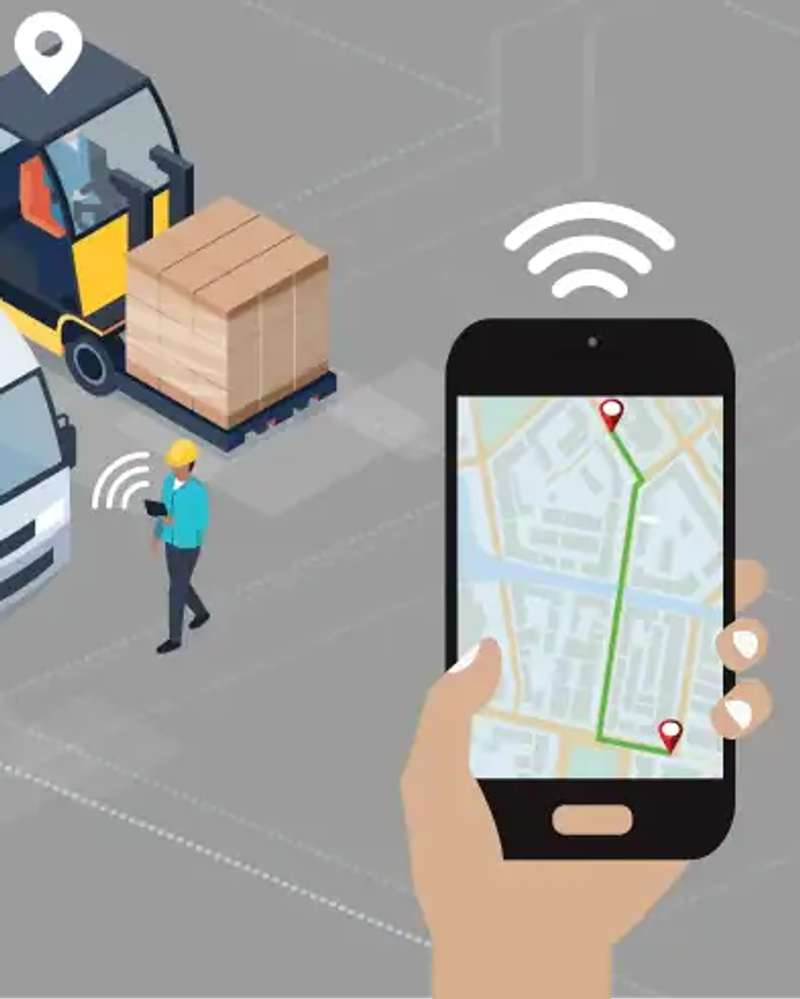
When your most valuable assets are constantly on the move – vehicles traversing highways, construction machinery shifting between sites, or shipping containers crossing continents – knowing their exact location becomes business-critical. This is where GPS asset tracking tags prove their worth, offering unparalleled transparency for mobile assets regardless of distance.
The global GPS tracking device market is expected to reach $3.9 billion by 2028, according to Grand View Research. Yet, many companies grapple with a fundamental question: Are GPS-based solutions the right choice for their tracking needs?
This article explores GPS asset tags, highlighting both the compelling advantages and practical limitations to help you make informed decisions about your asset management strategy.
Understanding GPS Asset Tracking Technology
How GPS Asset Tracking Tags Work
GPS asset tracking tags utilize a network of satellites orbiting the Earth to determine precise location coordinates. Each tag contains a GPS receiver that captures signals from multiple satellites and triangulates its position with typical accuracy of 5-10 meters under optimal conditions.
The GPS module determines coordinates while a cellular or satellite modem transmits data to cloud-based platforms. Advanced GPS asset tracking hardware also integrates sensors for motion, temperature, or impact monitoring.
The Technology Behind GPS Asset Tags
Modern asset tracking GPS tags combine GPS positioning with cellular connectivity (4G/LTE or 5G) or satellite communication for areas without cellular coverage. Tags send location updates at configurable intervals – from seconds to hourly – balancing tracking precision against battery consumption and data costs.

Key Benefits of GPS Asset Tracking Tags
1. Real-Time Asset Transparency Over Unlimited Range
The critical advantage of GPS asset tracking tags is continuous location transparency regardless of distance. Unlike RFID or BLE technologies, which are confined to specific facilities, GPS tracking works anywhere with satellite visibility.
According to Verizon Connect, companies using GPS fleet tracking report 13% fuel cost reductions and 30% decrease in vehicle downtime.
2. Enhanced Security and Theft Prevention
Asset tracking via GPS enables instant theft alerts for unauthorized movements, recovery support with real-time coordinates for law enforcement, and geofencing capabilities with automatic alerts when boundaries are crossed.
Companies report recovery rates over 90% for GPS-tracked equipment compared to under 20% for non-tracked assets. Construction firms using GPS tracking report 60-80% reductions in equipment theft.
3. Improved Asset Utilization and Operational Efficiency
GPS asset tags reveal usage patterns and enable route optimization, maintenance scheduling based on actual usage hours, and performance benchmarking across fleets. Organizations implementing comprehensive GPS asset tracking hardware typically see 20-30% improvements in asset utilization within the first year.
4. Geofencing and Automated Notifications
Geofencing creates virtual boundaries around facilities or authorized zones and automatically alerts when assets enter or leave specific locations, detect unauthorized use, monitor service boundaries, and trigger workflow automations. These capabilities reduce manual monitoring and ensure consistent oversight.
Challenges and Limitations of GPS Asset Tracking Tags
1. Battery Life and Maintenance Requirements
GPS asset tracking tags consume more power than alternatives like BLE or RFID. Standard GPS tags require battery replacement every 1-4 weeks with active tracking, incurring ongoing maintenance costs.
Solutions include solar-powered tags for outdoor equipment, extended-battery models with months to a year of operation, wired trackers for powered assets, and configurable update intervals balancing tracking needs against battery life.
2. Cost Considerations
GPS asset tracking hardware involves multiple cost layers: hardware (€50-200+ per unit), connectivity fees (€5-15 monthly per device), and platform subscriptions.
However, ROI calculations often justify these investments. If GPS tracking prevents a single theft, improves utilization to defer equipment purchases, or reduces fuel costs, the system pays for itself quickly. Evaluate GPS costs against specific risks and inefficiencies rather than comparing absolute costs with simpler technologies.
3. Signal Obstructions and Accuracy Limitations
GPS requires clear line-of-sight to satellites, creating challenges in urban canyons with tall buildings, indoor environments, dense forests, and under metal structures.
These limitations mean asset tracking via GPS works best for outdoor assets with mobile characteristics. Companies with primarily indoor tracking needs may achieve better results with BLE or RFID. Hybrid solutions combining GPS for outdoor tracking with alternatives for indoor environments offer comprehensive coverage.
4. Environmental Conditions and Durability Requirements
GPS tags exposed to harsh conditions require rugged engineering. Industrial GPS tags rated for extreme temperatures (-40°C to 85°C), water and dust resistance (IP67/IP68), and shock tolerance cost more but perform reliably in demanding environments like construction, mining, and maritime.
Applications of GPS Asset Tracking Tags
- Fleet Management: Real-time vehicle tracking, route monitoring, driver behavior analysis, and automated mileage logging reduce fuel consumption and improve customer service.
- Construction and Heavy Machinery: Track excavators and mobile equipment across job sites to reduce theft, enable quick location for planning, and prevent unauthorized use.
- Logistics and Supply Chain: Monitor containers, trailers, and freight throughout transit with automated exception alerts and transit time analysis.
- Outdoor and Mobile Assets: Any asset moving across large geographic areas benefits from GPS tracking – rental equipment, portable storage, mobile medical equipment, and agricultural machinery.
Tips for Implementing GPS Asset Tracking
Successful deployment of GPS asset tracking tags requires strategic planning:
- Assess if assets primarily operate outdoors where GPS excels
- Calculate total cost of ownership including hardware, connectivity, and platform fees
- Select appropriate update intervals balancing precision against battery life
- Choose hardware suited to your operating environment
- Ensure platform integration with existing systems
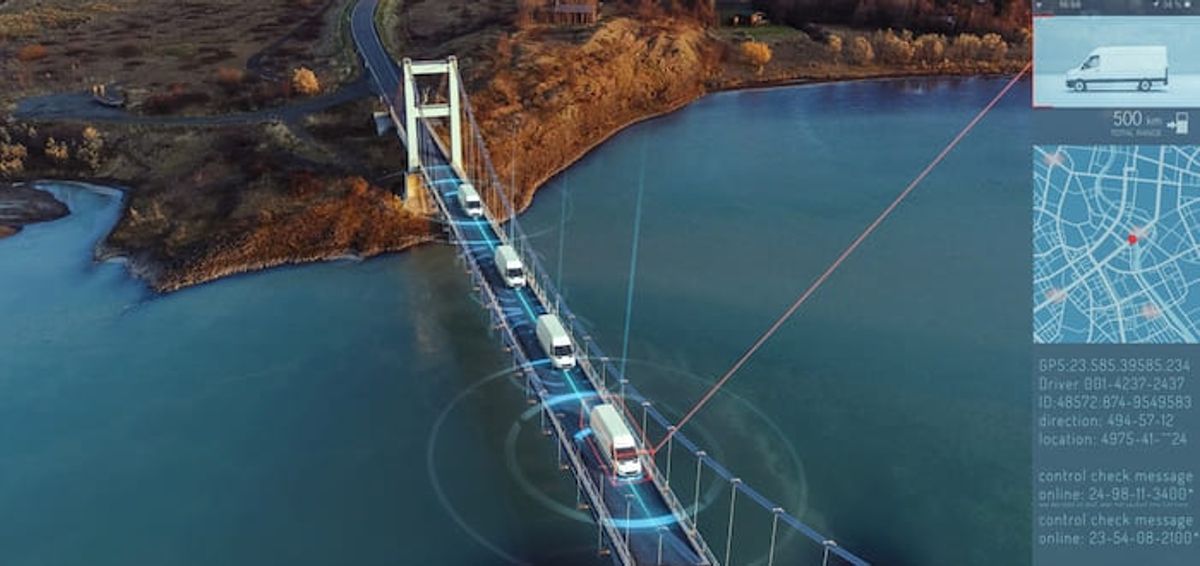
Making Informed GPS Tracking Decisions
GPS asset tracking tags deliver unmatched capabilities for monitoring mobile assets over unlimited distances, providing real-time transparency that transforms operations, enhances security, and boosts efficiency. The technology excels for fleet management, outdoor equipment tracking, and supply chain transparency.
However, consider battery maintenance requirements, higher costs, signal limitations in certain environments, and durability needs. The key is aligning technology capabilities with specific business requirements.
For mobile, high-value, theft-prone, or critical assets, GPS tracking typically delivers compelling ROI. For primarily indoor or stationary assets, alternative technologies may offer better value.
SmartMakers helps companies implement GPS asset tracking solutions, aligning with operational needs through our thingsHub platform. Whether you require standalone GPS tracking or hybrid solutions combining multiple technologies, we provide the expertise to optimize your asset transparency.
Ready to explore how GPS asset tracking hardware can transform your operations? Contact SmartMakers to discuss your requirements and discover tailored solutions.
Frequently Asked Questions About GPS Asset Tracking Tags
What is the typical accuracy of GPS asset tracking tags?
GPS asset tracking tags typically achieve 5-10 meter accuracy under optimal conditions with clear satellite visibility. Accuracy can degrade to 20-50 meters in challenging environments like urban areas with tall buildings or locations with limited sky visibility. Assisted GPS (A-GPS) technology, which uses cellular networks to supplement satellite data, can improve accuracy and reduce time to position fix.
How long do GPS asset tag batteries typically last?
Battery life varies dramatically based on tracking frequency. With hourly location updates, quality GPS tags last 1-6 months on battery power. Daily updates can extend life to 1-3 years. Solar-powered models offer virtually unlimited operation for outdoor assets. Hardwired GPS trackers connected to vehicle or equipment power sources eliminate battery concerns entirely.
Can GPS asset tracking tags work indoors?
GPS signals generally cannot penetrate solid structures, making GPS tags ineffective for indoor tracking. Some integrate Wi-Fi or cell tower triangulation for approximate indoor location, but accuracy is significantly reduced. For indoor tracking, consider BLE or RFID technologies or hybrid solutions.
What is the difference between GPS and cellular-based tracking?
GPS determines position using satellite signals with high precision anywhere on Earth. Cellular tracking uses cell tower triangulation with lower accuracy (100-1000 meters) but works indoors. Most GPS tracking tags use both: GPS for positioning and cellular for data transmission.
Are GPS asset tracking tags suitable for international tracking?
Yes, GPS satellites provide global coverage. However, choose tags that support international roaming or satellite-linked GPS tags for data transmission. International roaming typically incurs higher costs.