What is IoT?
Learn what IoT is, how it works, and the benefits, applications, and challenges associated with it.
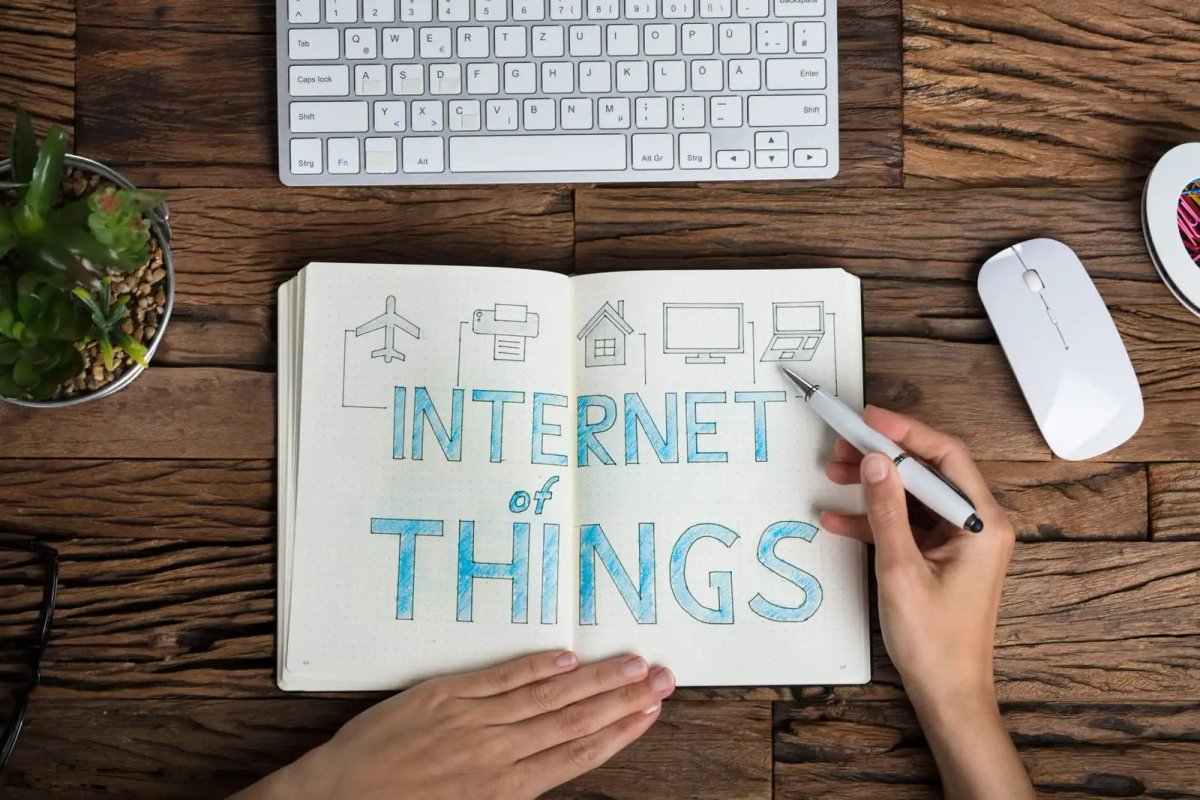
The Internet of Things (IoT) refers to a network of physical objects—from household appliances to vehicles to industrial machines—equipped with sensors, software, and connectivity. These "smart devices" collect data, exchange it with other systems, and enable new forms of automation and optimization. Examples range from smart thermostats at home to complex production facilities or global logistics systems.
How does IoT work?
IoT devices continuously collect data from their environment. This data is transmitted over communication networks either to the Cloud or— to reduce latency and data volume—directly to Edge Computing systems. There, processing, analysis, and action derivation take place. Devices can react autonomously or receive control commands from central applications. The communication between devices, Cloud, Edge, and applications forms the basis for a variety of automated processes.
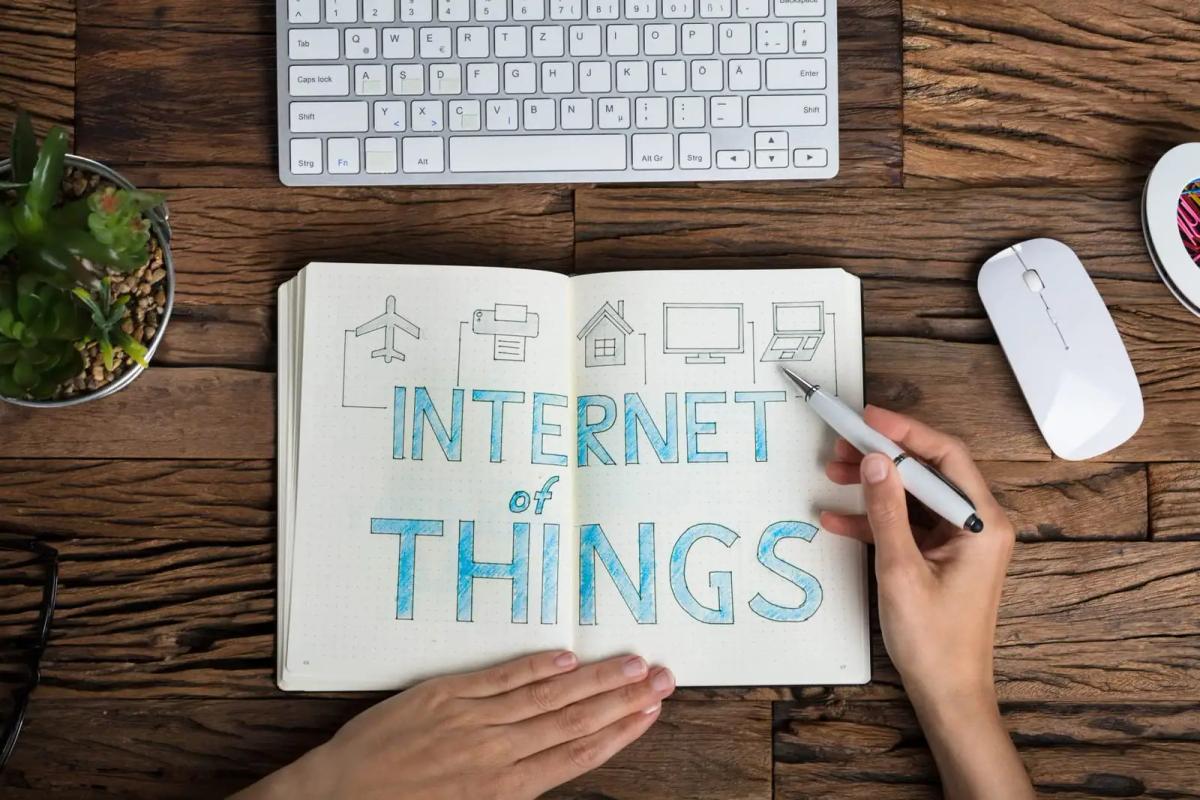
Technologies enabling IoT
Several technologies make IoT possible today:
- Sensors and Actuators: Sensors measure environmental data (e.g., temperature, humidity, movement). Actuators convert commands into physical actions (e.g., start motor, open valve).
- Connectivity technologies: Depending on the application, different standards are used—from Wi-Fi, Bluetooth, or Zigbee for short-range to LPWAN technologies like LoRaWAN or Sigfox to cellular-based standards like NB-IoT, LTE-M, or 5G for wide-area, industrial applications.
- Cloud Computing: Enables centralized storage, processing, and analysis of IoT data.
- Edge Computing: Processes data directly at the device or Gateway, reducing latency and data volumes.
- Big Data & Analytics: Using Machine Learning and Predictive Analytics, patterns are recognized, anomalies detected, and forecasts made.
IoT Applications
IoT has permeated many areas. Some of the key applications are:
Healthcare
IoT devices are increasingly used for remote patient monitoring. For example, vital data such as heart rate, blood pressure, and blood oxygen levels can be monitored in real-time. These devices enable doctors to detect problems early and respond more quickly.
Manufacturing
In the industry, IoT is used to monitor machine performance, predict maintenance needs, and optimize production processes. IoT devices can provide real-time data on machine conditions, minimizing downtime and increasing efficiency.
Smart Homes
IoT is transforming our homes. With smart thermostats, security systems, and connected devices, users can control their environment while saving energy. Devices like smart lighting and heating automatically adapt to the user's lifestyle.
Agriculture
In agriculture, IoT devices can be used to monitor soil moisture, weather conditions, or the health of animals. This helps farmers use resources efficiently and increase yield.
Transport and Logistics
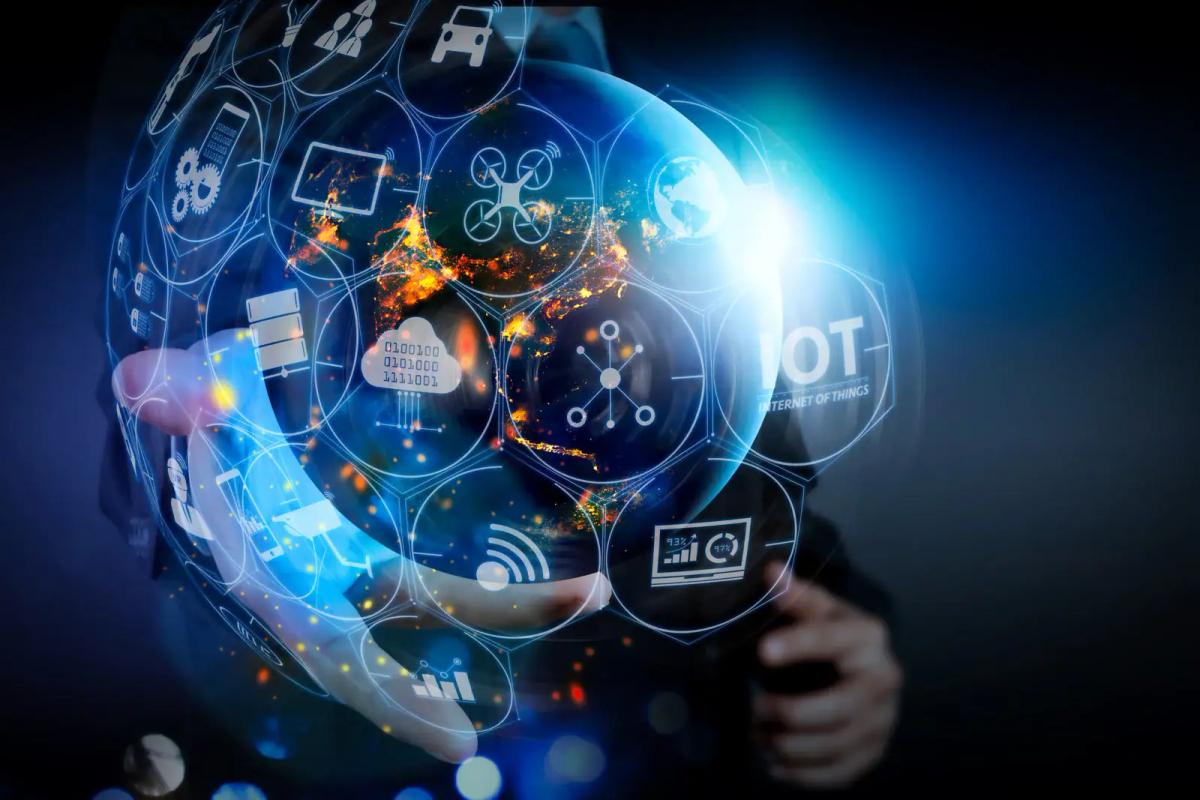
By using IoT, companies can monitor the condition of vehicles, optimize routes, and track the condition of goods. This ensures more efficient delivery and reduces fuel consumption.
Benefits of IoT
Implementing IoT brings a variety of benefits:
- Increased Efficiency: By automating processes, companies can optimize their operations and reduce costs.
- Better Decision Making: The vast amount of data generated by IoT devices enables informed decision-making and the development of new business models.
- Cost Savings: IoT helps reduce inefficient processes, such as through energy monitoring and predictive maintenance.
- Sustainability: Optimized resource use contributes to reducing energy consumption and emissions.
Challenges of IoT
Despite the many benefits, IoT also presents some challenges:
- Security Risks: Many IoT devices are potentially vulnerable to cyberattacks. Protective measures such as encryption and regular updates are essential.
- Data Privacy: Especially in areas like Smart Homes or Healthcare, sensitive data must be protected.
- Interoperability & Standardization: Different manufacturer standards complicate seamless collaboration.
- Data Management: Processing and storing vast amounts of data is a challenge for many companies.
Why is IoT important?
IoT is more than a technological trend—it is a key technology of digital transformation. It changes business models, increases efficiency, reduces costs, and enables new, data-driven services. Whether in healthcare, industry, or everyday life: IoT improves living and working environments and will play an even more central role in the economy and society in the coming years.
Do you have questions about IoT and Asset Tracking?
Read on
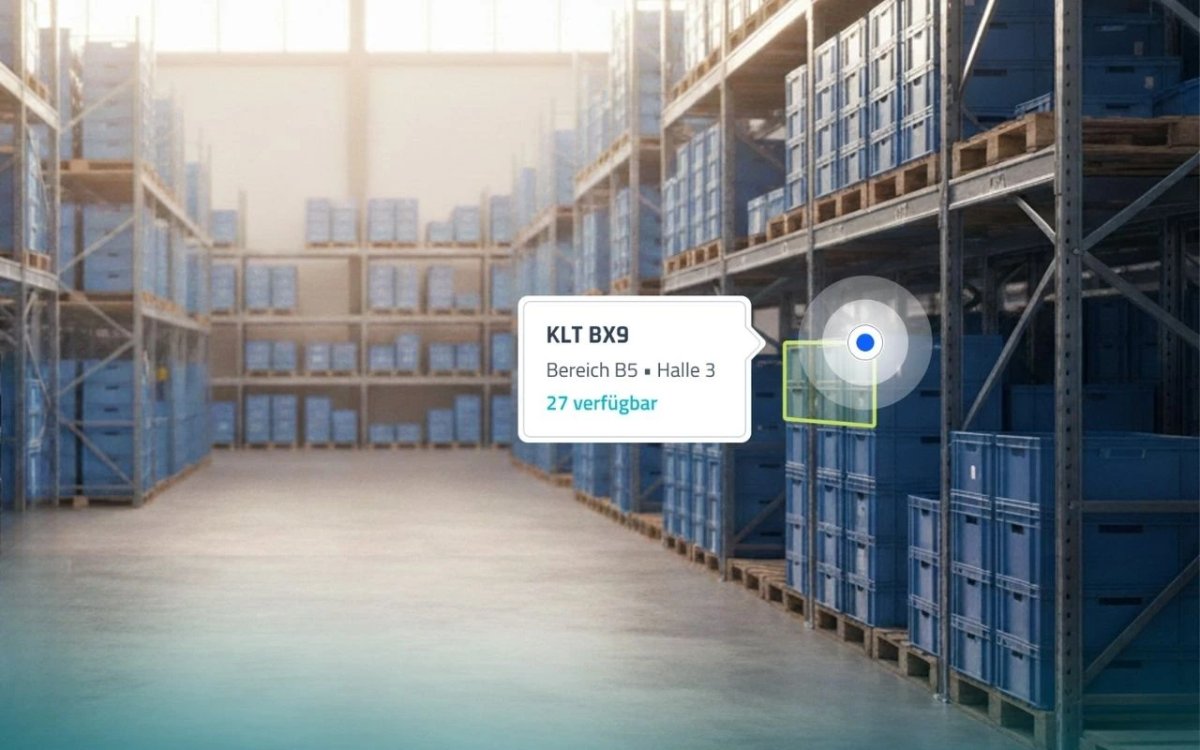
Digital Container Management 4.0: The Partnership of SmartMakers and LOGSOL
Monitor containers more efficiently ✓ digitally connected load carriers ✓ reduce costs through container management 4.0 ✓ Read the article now!
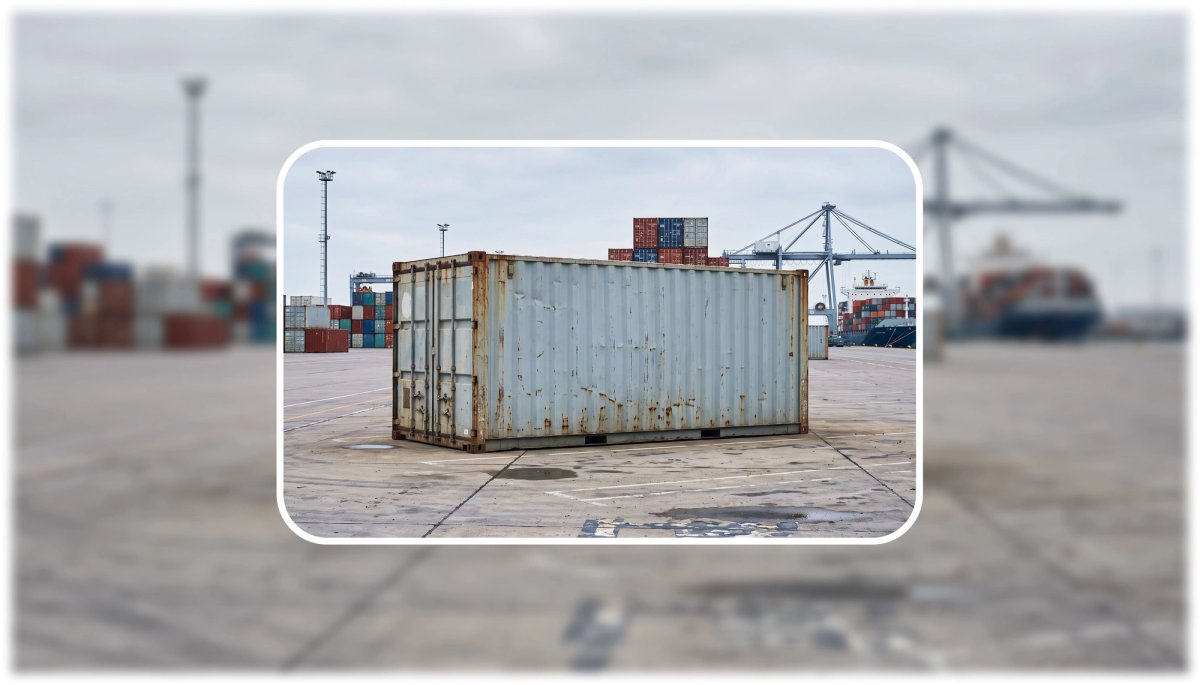
Optimizing Port Operations: Best Practices for Increasing Throughput and Reducing Costs
Maximize the efficiency of your port logistics in 2026: Discover how IoT solutions increase throughput, reduce costs, and enable predictive maintenance.

Data That Moves - Interview with Sebastian Stute
Learn how SmartMakers automates and simplifies production and logistics processes with IoT tracking and real-time data.