4 Ways IoT in Transportation Improves Efficiency for Perishable Goods
IoT in transportation: Discover 4 innovative ways SmartMakers improves efficiency for perishable goods. Learn more!
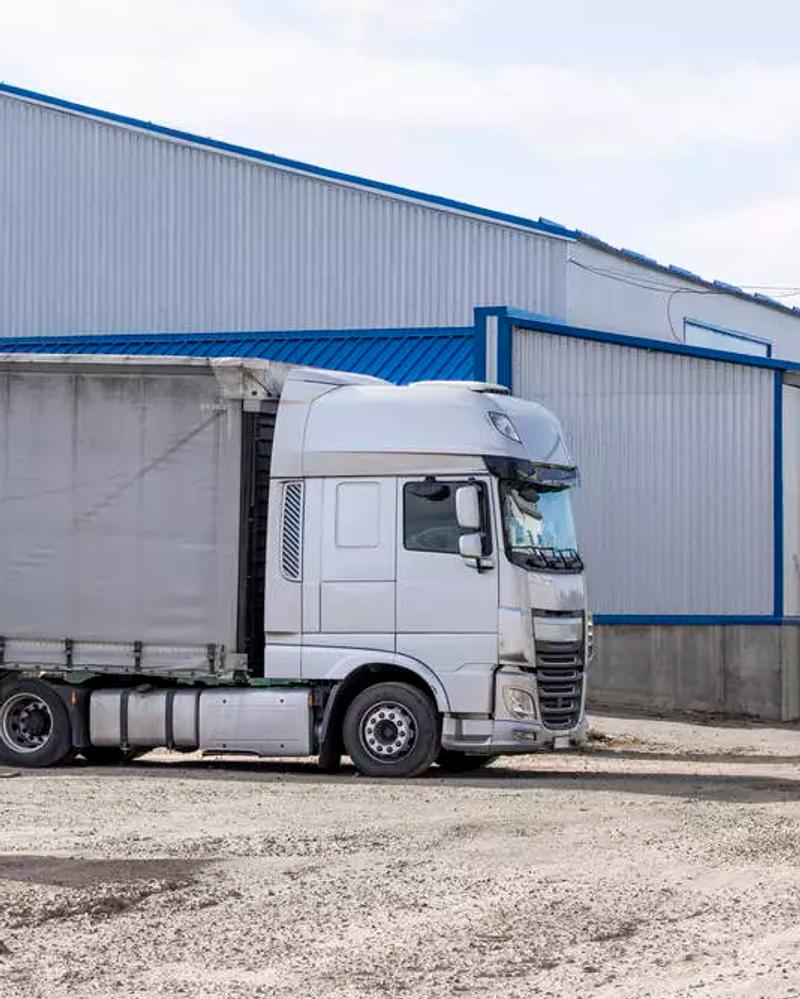
Discover why IoT in the transportation of perishable goods will be revolutionary. Gain insights that will transform your logistics processes and redefine your product quality assurance.
IoT in Transportation
The logistics of perishable goods face unique challenges. IoT solutions have the potential to optimize the efficiency of transporting these sensitive goods. In this article, we address the challenges, present four concrete solutions, and summarize the key takeaways.

Challenges in Transporting Perishable Goods
Transporting perishable goods such as fruits, vegetables, meat, and dairy products requires special handling. Maintaining a controlled environment to preserve quality from origin to destination is crucial. Therefore, the challenges in the logistics of such products are diverse and complex.
Temperature Fluctuations
One of the biggest challenges in transporting perishable foods is maintaining a constant temperature. Temperature fluctuations can be caused by various factors, such as changing weather conditions, inadequate cooling systems, or opening the loading doors during loading and unloading.
Regulatory Framework
The transport of perishable goods is subject to strict regulations that can vary from country to country. Compliance with these regulations is essential to ensure food safety and avoid penalties from various authorities.
Technical Failures
Transport vehicles for perishable goods are equipped with complex technology. These are prone to technical failures. If the cooling system fails due to lack of maintenance or a technical defect, it leads to catastrophic consequences for the cargo.
Logistical Delays
Traffic jams, road closures, and other unforeseen events can lead to delays, which are particularly critical for perishable goods. Every hour of delay can affect the quality of the products and thus reduce their value.
Supply Chain Transparency
Lack of visibility in the supply chain can lead to inefficiency. The reason is that manufacturers, shippers, or recipients often cannot track in real-time where the products are and in what condition they are without the use of IoT.
Consequences of Inefficiency in Transporting Perishable Goods
The impacts of inefficiency in the logistics of perishable goods are far-reaching and can affect the entire supply chain of a company. We will present exactly what these are below.
Economic Losses
Inefficiency can lead to a loss of product quality, directly affecting the marketability of the products. This results in financial losses for farmers, logistics operators, and retailers. Poor quality goods cannot be sold, which can also lead to empty shelves in supermarkets and indirectly less revenue.
Health Risks
Consuming products that have been inadequately handled during transport can lead to health issues for consumers. The consequences are potential lawsuits, recalls, and loss of reputation.
Environmental Impact
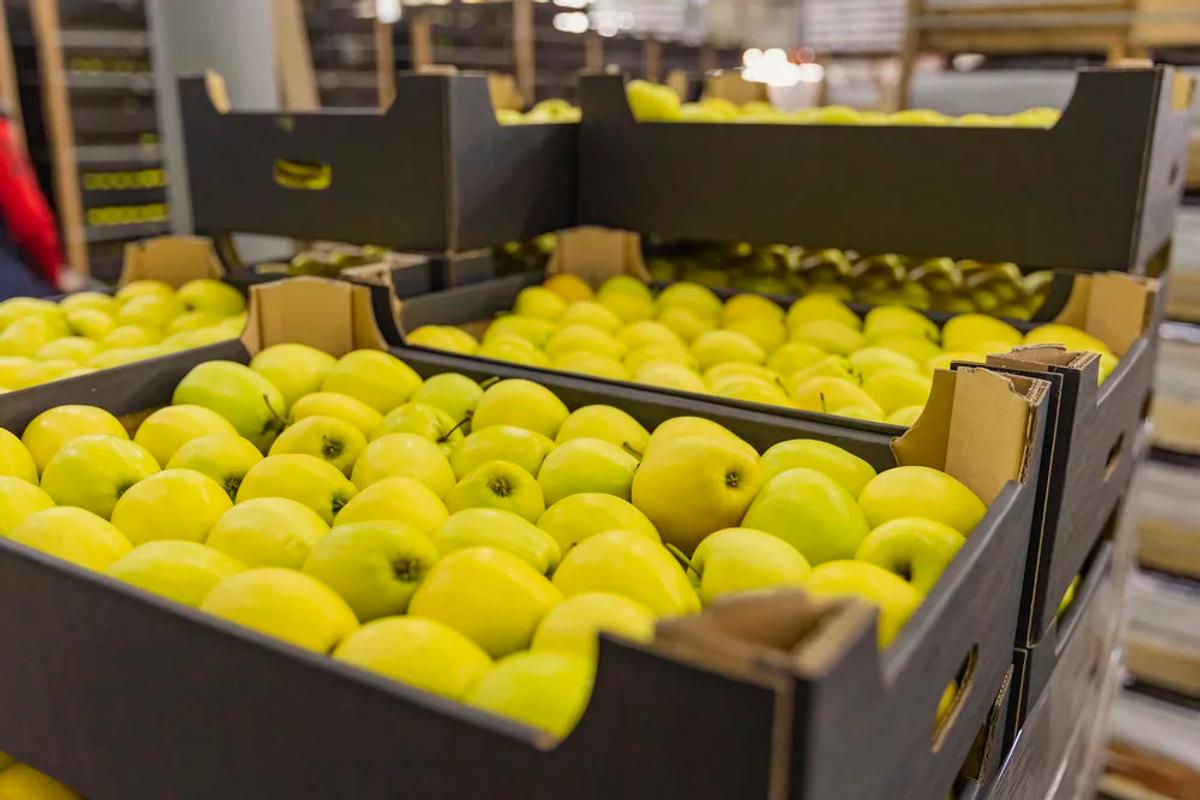
The destruction of food due to an inefficient supply chain contributes to the waste of resources such as water and energy. These are essential in production and increase the burden on the environment.
Reputation Risk
Companies that are unable to ensure the quality of their perishable goods risk losing their reputation and customer trust. This point is likely one of the most important for most companies, as in the worst case, even bankruptcy could threaten.
IoT Solutions for Transporting Perishable Goods for Greater Efficiency
1. Real-Time Monitoring and Tracking
Modern IoT solutions for transport offer a comprehensive range of monitoring options. Barcodes and GPS sensors work seamlessly together to track a shipment on its journey. Real-time data collection enables seamless traceability and quality control. With the use of cloud-based platforms, all involved parties can access this information.
As a result, a transparent and responsive supply chain is created. By using intelligent systems for analysis, patterns can be identified to further optimize processes. For example, bottlenecks can be quickly identified and eliminated.
2. Control of Temperature and Humidity
As mentioned in the challenges, controlling storage conditions is essential. IoT sensors offer far more than just simple temperature and humidity measurements. They enable dynamic adjustment of environmental conditions in refrigerated containers or warehouses.
Intelligent systems can respond to changes and adjust cooling systems to optimize energy consumption. Additionally, the collected data can be used to analyze product quality over time, continuously improving storage and transport methods.
3. Predictive Maintenance for Transport Vehicles
Predictive maintenance is an area being revolutionized by IoT transport. Sensors continuously capture the condition of critical vehicle components and use algorithms to predict the optimal maintenance time. This not only minimizes unexpected failures and delays but also helps increase vehicle safety.
In the long term, this can save costs and extend the lifespan of the vehicles. Additionally, analyzing vehicle data provides insights into usage patterns and enables more efficient fleet management.
4. Optimized Route Planning and Traffic Analysis
IoT in transportation enables route planning to be taken to a new level. By connecting with real-time traffic information and weather data, routes can be dynamically adjusted to minimize delays. GPS sensors and mobile apps enable interactive communication with drivers, ensuring they always choose the optimal routes.
Moreover, data on driving behavior and times can be used to further fine-tune route planning, reducing consumption and emissions while increasing punctuality.

Conclusion: Using IoT to Transport Perishable Foods
As a decision-maker in an industry where you transport perishable foods, it's time to leverage the benefits of IoT technology. The challenges faced by companies in the transportation sector can be overcome by implementing innovative IoT solutions. We encourage you to take a step forward. Invest in IoT transport to gain improved visibility of your supply chain, ensure the integrity of your products, and exceed safety standards.
By using IoT in transportation, you contribute to a sustainable and efficient global food supply chain. Ultimately, it's also about satisfied customers who value a fresh, safe, and guaranteed delivery of perishable goods.