2026 Guide to RFID Asset Tags for Improving Tracking and Efficiency
Discover how RFID asset tags revolutionize tracking and efficiency in 2026. A comprehensive guide to technology, benefits, applications, and implementation strategies for businesses.
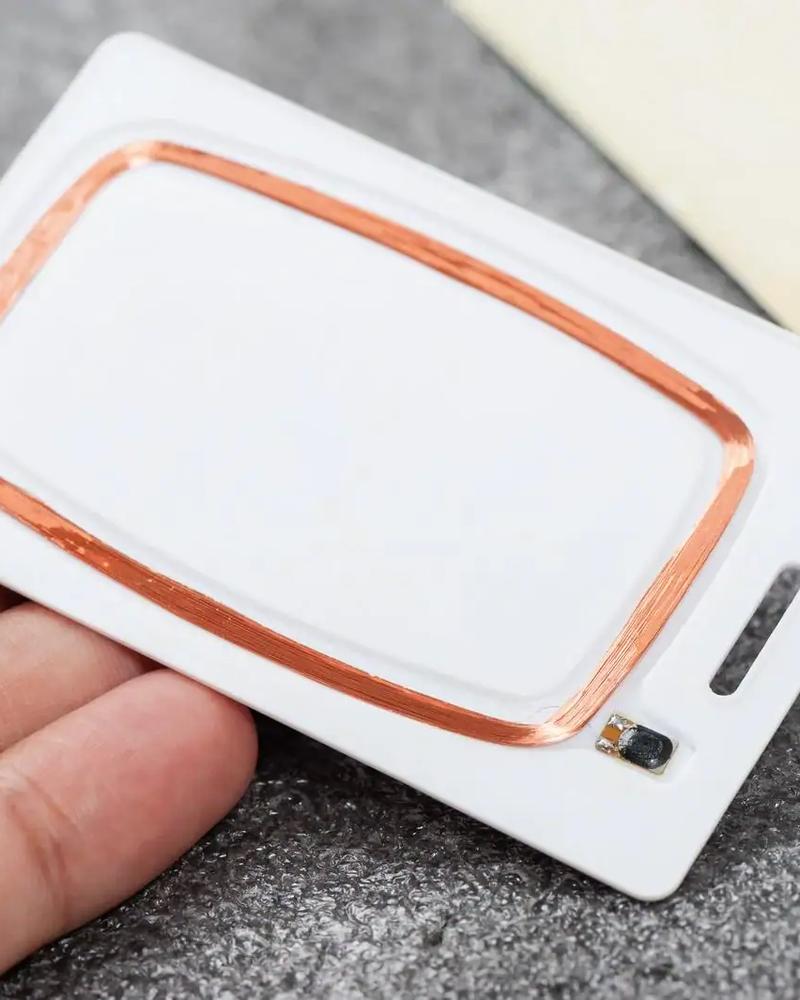
In an era where companies operate across multiple locations with thousands of assets in motion, manual tracking methods have become obsolete. This is where RFID asset tags come into play—a technology that transforms how organizations track, manage, and optimize their physical assets.
Radio Frequency Identification (RFID) has evolved from simple inventory labels to sophisticated tracking systems offering real-time visibility and automated data capture. According to MarketsandMarkets, the global RFID market is expected to reach $17.4 billion by 2026—driven by enterprises seeking competitive advantages through operational excellence.
This guide explains how RFID tags for asset tracking work, their benefits across various industries, practical applications, and implementation considerations.
Understanding RFID Technology
What are RFID Asset Tags?
RFID asset tags use radio waves to transmit identification information to nearby readers without requiring line of sight or manual scanning. Unlike barcodes, which require visual capture, RFID tags can be read through materials, at distances, and in bulk—enabling automated, efficient tracking.
An RFID system consists of three components: RFID tags (containing microchips and antennas), RFID readers (devices that emit radio waves and receive signals), and middleware/software (backend systems that process tag data and integrate it into enterprise platforms).
The Evolution of RFID in 2026
RFID technology has significantly evolved since its early introduction. Modern implementations in 2026 offer extended read ranges (UHF passive tags over 15 meters, active tags 100+ meters), increased storage capacities for maintenance histories and specifications, improved accuracy to reduce misreads, miniaturization for smaller form factors, and the integration of sensors for environmental monitoring.
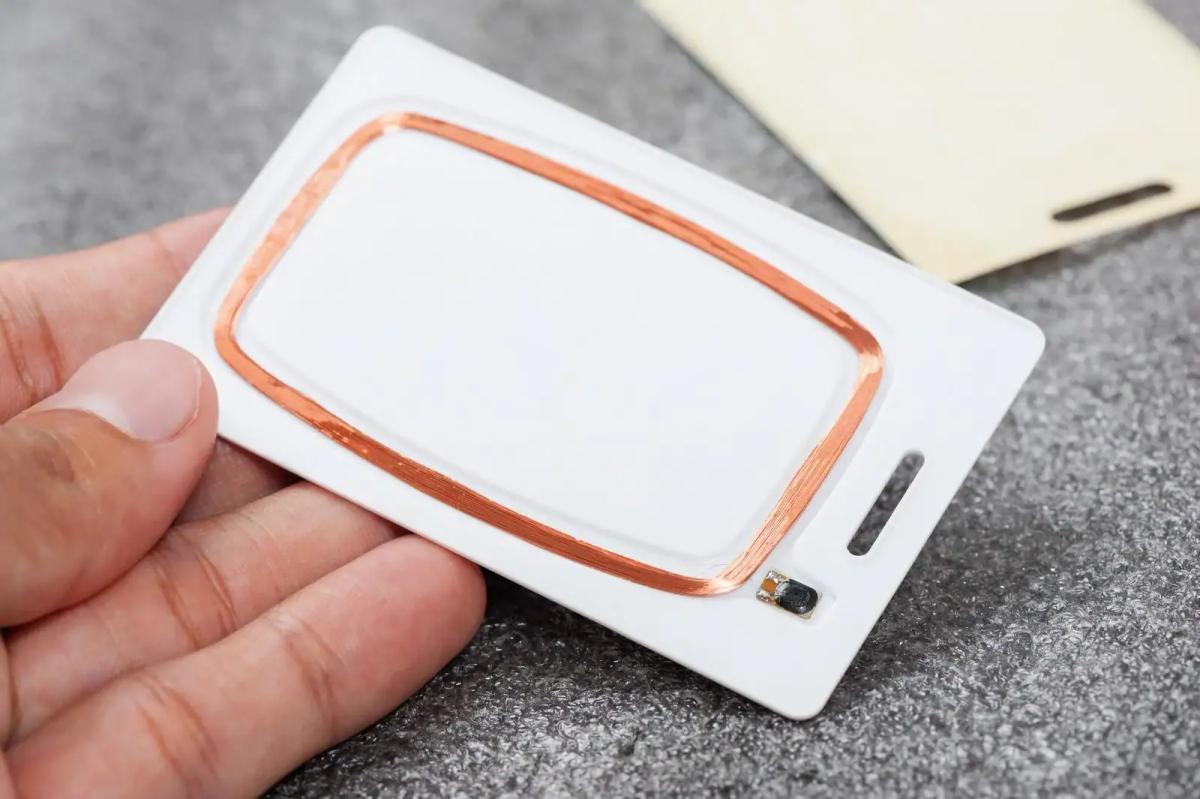
How RFID Asset Tags Work
Active vs. Passive RFID Tags
Passive RFID Tags contain no internal power source and are activated when they enter a reader's electromagnetic field. They are cost-effective ($0.10–5), maintenance-free, and have a virtually unlimited lifespan, but limited range (1–10 meters). They are ideal for inventory, retail goods, and IT assets.
Active RFID Tags contain batteries that enable continuous transmission, offer longer ranges (30–100+ meters), and additional features like sensors. They are more expensive ($20–100+) and need replacement every 3–7 years, but are excellent for tracking mobile, valuable assets across large facilities.
The RFID Tracking Process
Asset tracking with RFID tags works by attaching RFID tags to assets, which emit signals with unique identifiers. Readers positioned throughout facilities capture these signals and transmit the data to asset management systems, updating locations, logging movements, and triggering predefined actions.
Modern RFID asset tags integrate into IoT platforms like SmartMakers' thingsHub, aggregating data from various technologies, providing unified dashboards, and enabling sophisticated analytics that turn raw data into actionable insights.
Key Benefits of RFID Asset Tagging
Increased Operational Efficiency
RFID asset tagging eliminates manual processes that consume personnel time. Inventory counts are completed in hours instead of days through automated scanning. Asset checkouts become instant, receiving operations accelerate, and maintenance scheduling becomes proactive through automated usage tracking.
Reduced Losses and Theft
RFID tags for asset tracking provide automated monitoring with instant alerts when objects are moved unexpectedly, and exit monitoring systems detect assets approaching perimeters. Companies typically report 40–60% less asset loss in the first year.
Accuracy and Real-Time Data
RFID asset tags eliminate manual tracking errors through automated, accurate data capture. This accuracy improves financial reporting, simplifies compliance audits, and enhances customer service through reliable inventory availability.
Improved Asset Utilization
RFID asset tagging provides instant visibility that enables the identification of underutilized assets for redeployment, balanced distribution based on usage patterns, optimized maintenance scheduling, and data-driven lifecycle decisions. Organizations typically increase utilization by 20–35% post-implementation.
Applications of RFID Asset Tags
- Supply Chain and Logistics: Distribution centers use RFID asset tags for pallet tracking, shipment verification, cross-docking automation, and real-time inventory control, significantly speeding up operations while maintaining accuracy.
- Manufacturing and Production: Manufacturers track production progress, monitor tool locations, verify quality inspections, and manage inventories. RFID provides production visibility and helps identify bottlenecks and ensure traceability.
- Retail and Asset Security: Retailers achieve inventory accuracy of 95–99% (compared to 60–70% manually) through RFID for stocktaking, theft prevention, and omnichannel orders. Smart fitting rooms detect items customers try on and suggest complementary products.
- Healthcare and Pharmaceuticals: Hospitals track medical devices, monitor pharmaceutical inventories, manage surgical instruments, and ensure sterilization cycles. RFID improves patient safety, reduces equipment hoarding, and ensures critical devices are available.
Challenges and Limitations of RFID Asset Tagging
Cost Considerations
RFID asset tags require higher initial investments: passive tags ($0.10–5), active tags ($20–100+), and readers ($500–3,000+). However, ROI calculations typically show payback in 1–2 years through labor savings, loss prevention, and efficiency improvements.
Environmental Limitations
RFID performance can be affected when metal surfaces reflect radio waves or liquids absorb signals. Extreme temperatures, humidity, and harsh conditions can damage non-ruggedized tags. Specialized tags for metal, lower frequency options for liquids, and ruggedized tags address these challenges when properly specified during planning.
Signal Interference Issues
Radio frequency interference, dense tag populations leading to signal collisions, and physical obstructions affect reliability. In food packaging and pharmaceuticals, where products contain liquids or metal foils, RFID performance can be inconsistent. These limitations require thoughtful implementation—site surveys, correct frequency selection, appropriate antenna placement, and realistic performance expectations.

Conclusion: Leveraging RFID for Competitiveness
RFID asset tags represent a proven technology offering measurable improvements in tracking accuracy, operational efficiency, loss prevention, and asset utilization. As RFID continues to advance with extended ranges and decreasing costs, implementation barriers have largely disappeared.
Successful RFID asset tagging requires understanding your requirements, selecting appropriate technologies, planning for environmental factors, and integrating data into broader business processes. Companies that strategically engage with RFID achieve significant returns.
Frequently Asked Questions about RFID Asset Tags
What is the difference between RFID and barcode tracking?
RFID tags do not require line of sight and can be read through materials at distances of several meters, enabling simultaneous mass reading of multiple items. Barcodes require visual line of sight and must be scanned individually. RFID enables automation not possible with barcodes—automatic inventory updates as items pass through doors, mass reading of entire pallets without unpacking, and reading tags on items in sealed containers.
How long do RFID asset tags last?
Passive RFID tags have virtually unlimited lifespans (20+ years) without batteries. Active tags need replacement every 3–7 years, depending on frequency and features. Semi-passive tags typically last 3–5 years. Environmental factors can shorten lifespan, making ruggedized tags important for demanding applications.
What read range can I expect?
Passive UHF tags achieve ranges of 1–10 meters, with specialized tags up to 15+ meters. Passive HF tags have ranges of 10–100 cm but perform better near metal and liquids. Active tags reach ranges of 30–100+ meters. Actual performance varies based on tag quality, reader power, environment, and materials.
Is RFID suitable for tracking assets across multiple locations?
Yes, when readers are installed at key transition points—such as entry doors, door frames, and loading docks. As tagged assets move through checkpoints, the system logs locations. For unlimited distances (e.g., vehicles between cities), GPS is better suited.
How does RFID integrate into existing systems?
Modern RFID platforms integrate into ERP, warehouse management, and maintenance systems through APIs and standard protocols, allowing data to flow into existing workflows and business intelligence tools.