Leveraging IoT Scalability for Competitive Advantages in Logistics
Learn how IoT scalability in logistics creates competitive advantages and enables efficiency improvements.
Humanity is currently on the brink of a comprehensive paradigm shift that affects all areas of life, not just the business world. This change extends to the functioning of the healthcare sector, the formation of family and interpersonal relationships, our communication habits, and the way decisions are made. The reason for this lies in how we extend our biological limits through digital enhancements. For example, a smartwatch provides valuable information about our physical condition, while AI software identifies errors in our texts or business strategies. Similarly, IoT devices help accomplish tasks faster, more efficiently, and more accurately. The logistics industry is at the forefront of this change, driven by the potentials of IoT scalability.
For industry leaders, leveraging scalability in IoT is not just an option but a strategic imperative to enhance operational efficiency, maximize customer satisfaction, and meet the challenges of a rapidly evolving world. IoT and its potential mark the crucial difference between maintaining competitiveness and slipping into irrelevance. This article takes an in-depth look at the profound impact of IoT scalability on logistics, explains its significance, and demonstrates how it is the key to gaining a competitive advantage.
Understanding IoT Scalability in Logistics
Historical Development of Scalability in Logistics
Looking at the development of logistics throughout history, a profound change becomes evident. From ancient trade routes connecting civilizations to today's global supply chains, scalability has played a crucial role in the evolution of trade and transport. The emergence of the Silk Road as one of the first logistical technological marvels illustrates early logistics scalability. This extensive network of trade routes facilitated the exchange of goods, ideas, and cultures and served as a precursor to today's internet.
The Industrial Revolution marked another pivotal turning point, ushering logistics scalability into a new era. Innovations such as the steam engine and the assembly line revolutionized logistical operations. With the advent of railways and mass production, there was a tremendous advancement in logistics, enabling the efficient transport of goods on an unprecedented scale.
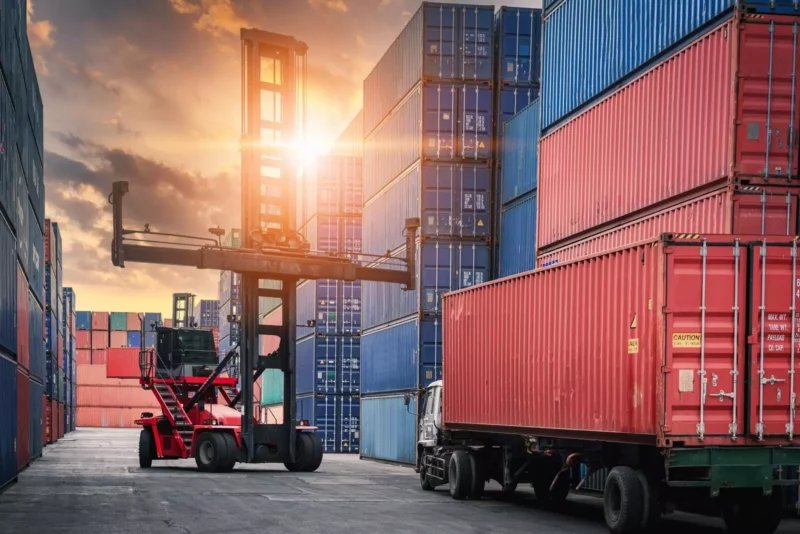
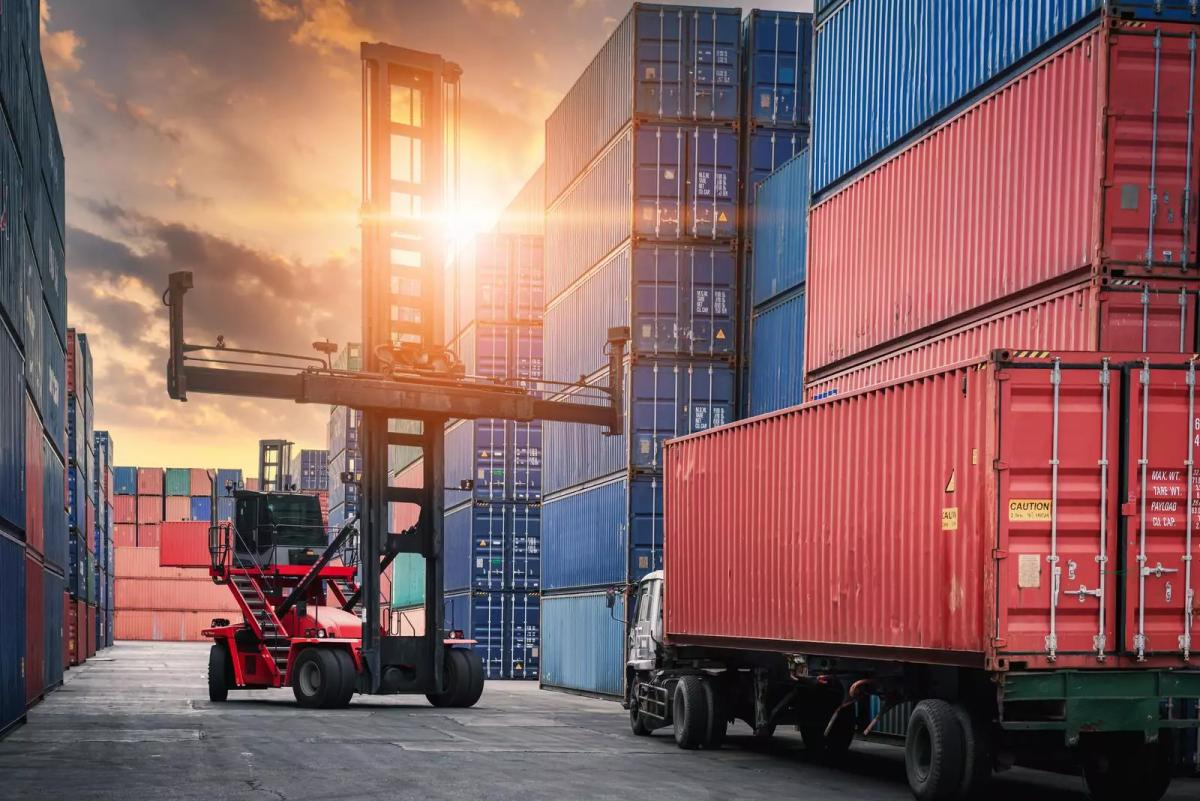
In the second half of the 20th century, the introduction of containerization led to another revolution. The standardization of containers, coupled with advances in maritime technology, significantly increased the efficiency and scalability of global trade. This change enabled standardized transport units and led to a drastic reduction in handling times and costs.
These moments were more than just turning points; they were paradigm shifts that redefined the entire industry and rewrote the rules. They fundamentally changed not just individual aspects but the entire practice.
The potential of the Internet of Things (IoT) in supply chain management is comparable to the creation of the Silk Road and mirrors that of the Industrial Revolution. The benefits of IoT are as significant as those of containerization.
IoT - The New Industrial Revolution
In today's era, the massive surge of digitalization and the Internet of Things (IoT) marks the latest chapter in the saga of logistics scalability. The integration of IoT technologies into logistical frameworks has paved the way for unprecedented connectivity, real-time monitoring, and predictive analytics, redefining the boundaries of scalability in modern logistics.
The Core Aspects of IoT Scalability
The concept of IoT scalability represents a turning point – an omega effect that will bring about major transformations. This model is based on three central pillars: data handling, device management, and connectivity.
- Effective data handling encompasses the seamless aggregation, processing, and utilization of information derived from a wide range of devices.
- Device management considers the careful orchestration and monitoring of connected devices within the logistics infrastructure.
- Connectivity as a framework and mindset represents the lifeblood of scalable IoT solutions. It enables a seamless network where devices communicate effortlessly, ensuring the uninterrupted flow of critical data.

Optimizing Logistics Operations with Scalable IoT Solutions
Scalable IoT solutions act as catalysts for the transformation of logistics processes. The real-time insights gained from such systems enable functions that make companies more effective and competitive. Predictive analytics is at the forefront, supporting proactive decision-making.
By fine-tuning resource allocation, optimizing route planning, and revolutionizing inventory management, logistics companies can enhance their entire supply chain. The use of devices with scalable IoT solutions leads to a realignment of operations. This optimization results in a logistics ecosystem perfectly attuned to adapt to changing demands and exceed customer expectations.
Impact on Tracking, Delivery Times, and Customer Satisfaction
The far-reaching impacts of IoT scalability extend across the entire spectrum but are most acutely felt in certain critical metrics within the logistics sector. Through the technological sophistication of tracking mechanisms, your company suddenly gains precise insights into inventory movements. Knowing the exact location of all goods ensures precision and reliability. This refined tracking capability not only shortens delivery times but also strengthens the reliability of logistical operations. It fosters unwavering customer trust and satisfaction. The integration of scalable IoT solutions leads to accelerated deliveries, precise predictions of estimated times of arrival (ETA), and a seamless customer experience, promoting brand loyalty and increasing goodwill.
Cost Savings and Revenue Increase
It's not just about increasing efficiency but also about reducing costs and promoting a more profitable business operation. The domino effect of scalability in IoT results in significant financial benefits. The inherent ability of scalable IoT infrastructure to optimize operations, allocate resources efficiently, and minimize errors leads to substantial cost savings. Data-driven insights from scalable IoT frameworks open up new revenue streams, such as subsidies, tax incentives, and other passive income sources. The combination of proactive maintenance, optimized supply chains, and personalized customer experiences catalyzed by IoT scalability results in increased revenues. Through this transformative change, companies can enhance their profitability margins.
Addressing Challenges in IoT Scalability in Logistics
The path to IoT scalability in logistics is not without challenges. There are obstacles to overcome, including issues of interoperability between different IoT devices, concerns about data security, and bottlenecks in infrastructure scalability. Each of these requires time and often the support of experts to successfully address.
Overcoming these challenges requires strategic measures that include various platform reforms – including standardized protocols, enhanced cybersecurity measures, and carefully designed scalable architecture. Ultimately, it also requires a shift in mindset, both for you and your employees – one of the greatest challenges for most companies. Promoting a culture of adaptability and continuous workforce education is crucial to successfully navigating the ever-evolving IoT landscape. A change in perspective is essential to successfully overcome the hurdles of scaling.
The Future of IoT Scalability in Logistics
Looking into the future of logistics, the development of IoT scalability emerges as something desirable – it is on the verge of marking a turning point in history. The integration of IoT into logistics operations signifies not just a technological leap but a paradigm shift that will redefine the essence of supply chains and transport networks.